Baby bottles
The best baby bottles of 2026
Eight bottles, ranked, with a named winner in the first line and a specific pick for every situation that sends people back to the store.
How this page is funded: if you buy through a link here we may earn an Amazon commission, at no extra cost to you. It never changes which product we put first, and we recommend the cheaper option whenever it is the better one. Full disclosure.
Buy the Philips Avent Natural Response. It is the bottle least likely to be the wrong choice: a wide nipple that only releases milk when your baby actively drinks, three parts to wash, and the biggest range of matching nipples, lids and spouts on the shelf.
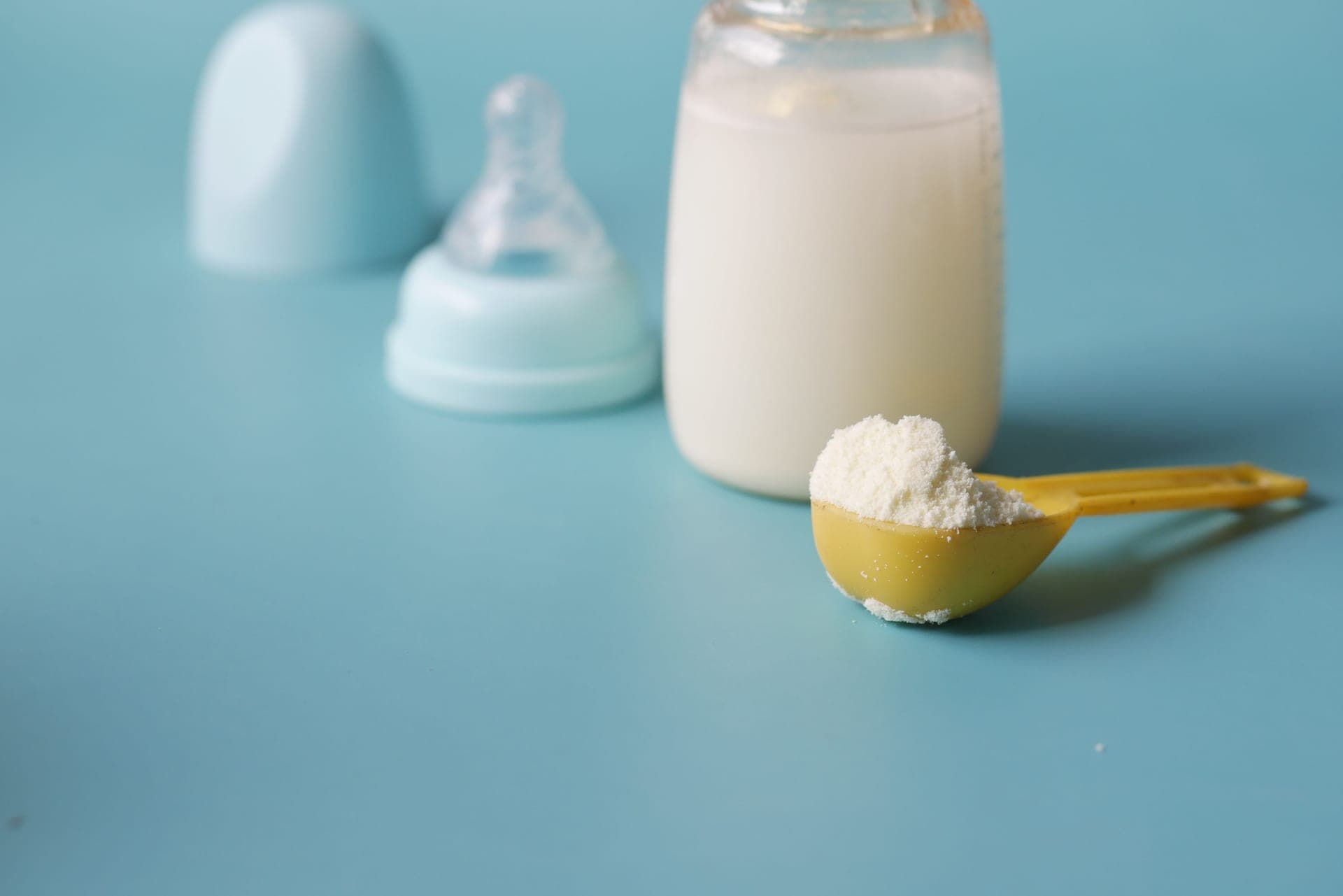
Our pick
Philips Avent Natural Response
The safest default buy: a wide nipple that only releases milk when the baby actively drinks, inside the biggest parts ecosystem on the shelf.
The reason it wins is not that it is dramatically better than the others. It is that when something does not work — a flow rate that is too fast, a lid that leaks in a bag, a baby who suddenly needs a different nipple — the fix is a part you can buy in any supermarket rather than a whole new set of bottles.
#ad Affiliate link · We show no price until we can verify it live
Who should buy something else
- Your baby is breastfed and has refused a bottle. Buy the Comotomo. Soft silicone, breast-shaped, and the bottle that most often works after others have failed.
- Your baby is genuinely gassy, arching and crying through feeds. Buy Dr. Brown's Options+ wide-neck. More washing, real results.
- You want to avoid plastic entirely. Buy the Philips Avent Natural Response in glass.
- You are not sure a wide nipple suits your baby and want to test cheaply. Buy a Tommee Tippee Closer to Nature multi-pack first.
Quick picks
Our ranking, with the reasoning underneath. Tap any row to jump to the full write-up.
| # | Product | Best for | Score | Price |
|---|---|---|---|---|
| 1 | Philips Avent Natural Response The safest default buy: a wide nipple that only releases milk when the baby actively drinks, inside the biggest parts ecosystem on the shelf. | Most babies | 8.9 | Check price on Amazon #ad Affiliate link · We show no price until we can verify it live |
| 2 |  Comotomo Natural Feel Baby Bottle The bottle babies take when they have refused everything else: a soft squeezable silicone body and a wide, breast-shaped nipple. | Breastfed babies | 8.8 | Check price on Amazon #ad Affiliate link · We show no price until we can verify it live |
| 3 | Dr. Brown's Natural Flow Options+ Wide-Neck Dr. Brown's venting behind a wide, breast-shaped nipple. The compromise pick when your baby is gassy and nursing. | A gassy breastfed baby | 8.7 | Check price on Amazon #ad Affiliate link · We show no price until we can verify it live |
| 4 | Pigeon SofTouch PPSU The nipple most often described as closest to nursing, on a PPSU body that survives daily sterilizing without clouding. | Nipple feel | 8.7 | Check price on Amazon #ad Affiliate link · We show no price until we can verify it live |
| 5 | Nanobebe Flexy Silicone Bottle A soft silicone bottle shaped to sit against the body, and one of the easier first bottles for a newborn to accept. | Newborns | 8.2 | Check price on Amazon #ad Affiliate link · We show no price until we can verify it live |
| 6 | MAM Easy Start Anti-Colic Its base unscrews so the bottle sterilizes itself in a microwave, which is genuinely useful in a hotel room or an office kitchen. | Self-sterilizing | 8.2 | Check price on Amazon #ad Affiliate link · We show no price until we can verify it live |
| 7 | Tommee Tippee Closer to Nature The cheapest way to find out whether a wide, soft nipple suits your baby before you commit to a full set. | Trying a wide nipple cheaply | 8.0 | Check price on Amazon #ad Affiliate link · We show no price until we can verify it live |
| 8 | Lansinoh Baby Bottle with NaturalWave Nipple Designed around the tongue movement of nursing, which makes it one of the easier bottles to alternate with the breast. | Switching between breast and bottle | 8.1 | Check price on Amazon #ad Affiliate link · We show no price until we can verify it live |
Scores are our own research scores on the rubric published at how we choose. They are not star ratings from customers, and we do not show a price we cannot verify live.
Every pick, in detail
Photo for illustration, not a photograph of our own unit.
Philips Avent Natural Response
Philips Avent
The safest default buy: a wide nipple that only releases milk when the baby actively drinks, inside the biggest parts ecosystem on the shelf.
- Latch
- 9
- Colic control
- 8
- Cleaning
- 9
- Durability
- 9
- Value
- 9
- Material:
- Polypropylene, glass and PPSU versions
- Parts to wash:
- Three
- Nipple shape:
- Wide
- Price tier:
- Mid-range
What works
- Flow-on-demand nipple paces the feed more like nursing
- Bottles, nipples, sippy tops and pump parts all interchange
- Available in plastic, glass and PPSU with the same nipples
What to know first
- Venting is milder than Dr. Brown's for a severely windy baby
- Nipple flow numbering confuses first-time buyers
- Wide base does not fit narrow warmer wells
#ad Affiliate link · We show no price until we can verify it live
Photo for illustration, not a photograph of our own unit.
Comotomo Natural Feel Baby Bottle
Comotomo
The bottle babies take when they have refused everything else: a soft squeezable silicone body and a wide, breast-shaped nipple.
- Latch
- 10
- Colic control
- 7
- Cleaning
- 9
- Durability
- 7
- Value
- 7
- Material:
- Silicone body, silicone nipple
- Parts to wash:
- Three
- Nipple shape:
- Wide, breast-like
- Price tier:
- Mid-range
What works
- The most widely recommended bottle for bottle-refusing breastfed babies
- Only three parts, and the wide mouth washes by hand easily
- Soft body is easy for small hands to hold later on
What to know first
- Squat shape does not fit every bottle warmer or sterilizer rack
- No internal venting system, so it is not the anti-colic specialist
- Nipples wear faster than hard plastic ones
#ad Affiliate link · We show no price until we can verify it live
Photo for illustration, not a photograph of our own unit.
Dr. Brown's Natural Flow Options+ Wide-Neck
Dr. Brown's
Dr. Brown's venting behind a wide, breast-shaped nipple. The compromise pick when your baby is gassy and nursing.
- Latch
- 9
- Colic control
- 10
- Cleaning
- 6
- Durability
- 9
- Value
- 8
- Material:
- Polypropylene, glass version available
- Parts to wash:
- Five with the vent fitted
- Nipple shape:
- Wide
- Price tier:
- Mid-range
What works
- Wide nipple is easier for a nursing baby to accept than the narrow version
- Same vent system as the narrow Options+
- Easier to hand-wash than the narrow neck
What to know first
- Still five parts with the vent in
- Bulkier in a diaper bag
- Wide bottles fit fewer warmer wells
#ad Affiliate link · We show no price until we can verify it live
Photo for illustration, not a photograph of our own unit.
Pigeon SofTouch PPSU
Pigeon
The nipple most often described as closest to nursing, on a PPSU body that survives daily sterilizing without clouding.
- Latch
- 10
- Colic control
- 8
- Cleaning
- 9
- Durability
- 9
- Value
- 6
- Material:
- PPSU
- Parts to wash:
- Three
- Nipple shape:
- Wide
- Price tier:
- Premium
What works
- PPSU tolerates repeated sterilizing better than polypropylene
- Nipple is widely praised for latch
- Light for a premium bottle
What to know first
- Most expensive plastic bottle here
- The amber tint of PPSU looks stained even when clean
- Smaller US accessory range than Avent
#ad Affiliate link · We show no price until we can verify it live
Photo for illustration, not a photograph of our own unit.
Nanobebe Flexy Silicone Bottle
Nanobebe
A soft silicone bottle shaped to sit against the body, and one of the easier first bottles for a newborn to accept.
- Latch
- 9
- Colic control
- 7
- Cleaning
- 9
- Durability
- 7
- Value
- 7
- Material:
- Silicone
- Parts to wash:
- Three
- Nipple shape:
- Wide, breast-like
- Price tier:
- Mid-range
What works
- Frequently named a best newborn bottle by review outlets
- Soft body squeezes, which some newborns prefer
- Wide neck is simple to clean
What to know first
- Unusual shape does not fit all sterilizer racks
- No internal vent
- Pricier per bottle than plastic
#ad Affiliate link · We show no price until we can verify it live
Photo for illustration, not a photograph of our own unit.
MAM Easy Start Anti-Colic
MAM
Its base unscrews so the bottle sterilizes itself in a microwave, which is genuinely useful in a hotel room or an office kitchen.
- Latch
- 8
- Colic control
- 8
- Cleaning
- 8
- Durability
- 8
- Value
- 9
- Material:
- Polypropylene
- Parts to wash:
- Four
- Nipple shape:
- Wide, vented base
- Price tier:
- Mid-range
What works
- Self-sterilizes in a microwave with a splash of water
- Vented base reduces gas without a long internal straw
- The unscrewing base makes scrubbing easy
What to know first
- One more join means one more place to leak
- Four parts, not three
- Nipple is flatter than the wide breast-shaped designs
#ad Affiliate link · We show no price until we can verify it live
Photo for illustration, not a photograph of our own unit.
Tommee Tippee Closer to Nature
Tommee Tippee
The cheapest way to find out whether a wide, soft nipple suits your baby before you commit to a full set.
- Latch
- 8
- Colic control
- 7
- Cleaning
- 9
- Durability
- 7
- Value
- 10
- Material:
- Polypropylene, glass version available
- Parts to wash:
- Three
- Nipple shape:
- Wide, squat bottle
- Price tier:
- Budget
What works
- Sold in cheap multi-packs, so trialling is low-risk
- Short, squat bottle is easy to hold one-handed
- Widely stocked in US supermarkets
What to know first
- Venting is basic
- Squat shape fits fewer warmers
- Nipples collapse more readily on a strong suck
#ad Affiliate link · We show no price until we can verify it live
Photo for illustration, not a photograph of our own unit.
Lansinoh Baby Bottle with NaturalWave Nipple
Lansinoh
Designed around the tongue movement of nursing, which makes it one of the easier bottles to alternate with the breast.
- Latch
- 9
- Colic control
- 7
- Cleaning
- 7
- Durability
- 8
- Value
- 8
- Material:
- Polypropylene
- Parts to wash:
- Three
- Nipple shape:
- Narrow with a long nipple
- Price tier:
- Mid-range
What works
- Nipple shape is built for combination feeding
- Slim bottle fits every warmer well and cup holder
- Air-venting without an internal straw
What to know first
- Narrow neck is harder to hand-wash
- Smaller accessory range
- Not the pick for a badly gassy baby
#ad Affiliate link · We show no price until we can verify it live
Buy two bottles, not twelve
The single most useful piece of advice on this page: buy two bottles of one brand before you buy a set. Babies have opinions about nipples, those opinions are not predictable from the packaging, and the most common expensive mistake in this category is a registry stacked with eight bottles your baby refuses.
Once you know a nipple works, buy the rest. How many you actually need depends on how you are feeding and how often you want to run the dishwasher — we work through the arithmetic in how many bottles do I need?
What actually differs between bottles
Nine brands make almost the same promises. Four things genuinely separate them.
Nipple shape and width
This is the one that decides whether your baby takes the bottle. Wide, gently-sloping nipples ask for a latch closer to nursing; narrow nipples are longer and thinner. Breastfed babies usually do better with wide. It is not a universal rule, which is why you buy two first.
Venting, and what it costs you
Venting lets air into the bottle without making your baby swallow it. Designs range from a simple valve in the nipple to Dr. Brown's internal tube, which is the most effective and also adds two parts to wash at every feed. Better venting genuinely means less wind; it is a real trade, not marketing. Our anti-colic round-up gets into it properly.
Material
Polypropylene is light and cheap. Silicone is soft and squeezable. PPSU survives repeated sterilizing without clouding. Glass does not scratch or hold smells but is heavy and breakable. For what it is worth on safety, the FDA no longer permits BPA-based polycarbonate resins in baby bottles or sippy cups, so a new bottle from a mainstream brand is not a BPA question. We compare the two main options in glass vs plastic.
Parts count, which you will feel by week two
Three parts is the baseline: bottle, nipple, collar. Add a vent and you are at five, times however many feeds a day. This is the difference between two minutes and six at the sink, every time.
Nipple flow is a bigger deal than the bottle
Every brand sells the same bottle with several nipple flow rates, numbered differently by each of them, which is genuinely confusing. A newborn starts on the slowest. Too fast and milk floods out, your baby gulps, chokes or gives up; too slow and they work themselves to exhaustion and fall asleep hungry.
Most bottle problems that look like "the wrong bottle" are the wrong flow rate. Before you buy a different brand, try the next flow up or down. We put the signs to watch for in bottle nipple flow sizes explained.
Cleaning and sterilizing, briefly
The CDC's guidance on infant feeding items is to take bottles apart and clean them after every feed, and to sanitize daily if your baby is under two months old, was born premature, or has a weakened immune system. A dishwasher with a hot wash and a heated drying or sanitizing cycle does the job for most families.
Whether you need a dedicated sterilizer at all is a genuine question with a real answer, and it is often no — see our sterilizer round-up and sterilizer vs dishwasher.
Worth saying plainly
A baby who refuses all feeds, is not gaining weight, or is vomiting forcefully needs a pediatrician, not a different bottle. Reflux and suspected allergies are clinical too. We can help you choose a bottle; we cannot diagnose a feeding problem and will not pretend to.
How we chose
We have not fed a baby with all eight of these bottles, so every card on this page is labeled "researched" rather than hands-on. What that research consists of:
- Independent testing, attributed. Where Mommyhood101 and other outlets have run structured comparisons, we use their findings and name them.
- Manufacturer specifications for materials, part counts, available flow rates and cross-compatibility.
- Qualitative patterns in owner feedback about leaking, nipple collapse and durability. We publish no rating and no review count, because we collected neither.
- CDC and FDA guidance for anything touching hygiene or materials.
Scores use five criteria: latch acceptance, colic control, cleaning burden, durability and value. The full rubric, including how commissions are kept out of the ranking, is on how we choose.
Common questions
How many baby bottles do I need?
Roughly four if you are combination feeding, and eight to twelve if the baby is exclusively bottle-fed and you want to wash once a day. Start with two of one brand to check your baby takes the nipple, then buy the rest. Full arithmetic in how many bottles do I need?
What is the best bottle for a breastfed baby?
The Comotomo, for most babies, because the soft silicone body and very wide nipple are the closest thing to nursing. Nanobebe and the wide-neck Avent are the usual runners-up. See best bottles for breastfed babies.
Do anti-colic bottles really work?
The better venting systems do reduce how much air a baby swallows, and Dr. Brown's has the deepest evidence base. They do not cure colic, which has causes beyond feeding. Our anti-colic round-up is honest about the limits.
When should I move up a nipple flow size?
When feeds start taking noticeably longer, your baby works hard and falls asleep before finishing, or they get frustrated and pull off the bottle. It is about behavior, not age. See bottle nipple flow sizes.
Are plastic baby bottles safe?
New bottles from mainstream brands are not a BPA question — the FDA no longer permits BPA-based polycarbonate resins in baby bottles or sippy cups. If you would still rather avoid plastic, glass and PPSU are the alternatives, and we compare them in glass vs plastic.
Can I mix brands of bottles and nipples?
Generally no. Threads and nipple bases differ between brands, and a mismatch is the most common cause of a leaking bottle. Stay inside one brand's system, which is exactly why a big parts ecosystem is worth something.
How often do I need to replace bottle nipples?
When they discolour, swell, tear, or the milk starts running out in a stream rather than drips. Silicone degrades with heat and use; checking them every couple of months is sensible.
Do I need to sterilize bottles every day?
Clean after every feed; sanitize daily only if your baby is under two months old, was born premature, or has a weakened immune system, per CDC guidance. Details in how often to sterilize bottles.