Guides
The newborn feeding starter kit
The whole first-setup shopping list, with the things you do not need crossed off. Written for someone buying all of it for the first time.
How this page is funded: if you buy through a link here we may earn an Amazon commission, at no extra cost to you. It never changes which product we put first, and we recommend the cheaper option whenever it is the better one. Full disclosure.
The short list
Two bottles of one brand in the smallest size with the slowest nipple, a bottle brush, a microwave steam sterilizer, and storage bags if you are pumping. That is the whole necessary list. Everything else — warmer, electric sterilizer, bottle washer, drying rack, formula machine — is a maybe, and several of them are a probably-not. Buy the list above, wait two weeks, and buy the rest once you know how you are actually feeding.
The reason this list is short is that nobody knows in advance how feeding will go. Plans change in week one: people who intended to nurse exclusively end up pumping, people who bought twelve bottles find their baby refuses that nipple. Buying light and buying again beats buying a registry-sized set of one brand.
Bottles: buy two, not twelve
What to buy: two bottles of one brand, 4 or 5oz, with the slowest nipple flow the brand makes. That is it, until you know your baby takes them.
Babies have opinions about nipples and those opinions are not predictable from the box. The most common expensive mistake in this whole category is eight bottles of a brand your baby then refuses. Once two work, buy the rest: roughly four if you are combination feeding, eight to twelve if the baby is exclusively bottle-fed and you want to wash once a day. The arithmetic is in how many bottles do I need?
Which brand: a wide nipple if you are also nursing, the slowest flow either way. Our bottle ranking leads with the Philips Avent Natural Response because it is the least likely to be the wrong choice and everything interchanges. For a breastfed baby specifically, see best bottles for breastfed babies.
Pumping: it depends, and you can wait
You do not have to decide this before the baby arrives. Plenty of people buy a pump in week three, when they know whether they need one.
If you will pump daily — going back to work, building a stash, someone else doing feeds — buy a traditional double electric. Our first-pump ranking starts with the Spectra S1 Plus. Before you buy anything, call your insurance: in the US a pump is often covered in whole or part, and almost nobody checks first.
If you might pump occasionally, buy a manual pump for a fraction of the price. The Medela Harmony is the default, and it is also the better tool for collecting colostrum in the first days and for relieving engorgement. See best manual breast pumps.
What to add if you pump: a hands-free pumping bra, two or three spare sets of pump parts so you are not washing between every session, and storage bags or bottles. Measure your flange size before your first session — it affects comfort and output more than the brand does. See the flange sizing guide.
Cleaning: the bit you will do twelve times a day
What to buy: a bottle brush with a nipple brush on the end, a dedicated wash basin, and a microwave steam sterilizer.
The dedicated basin is not fussiness. CDC guidance on cleaning infant feeding items is to wash in a basin used only for feeding items rather than directly in the sink, because sinks harbour germs. It costs a few dollars.
On sterilizing, the guidance is specific and it saves most people money: clean items after every use, and sanitize daily if your baby is under two months old, was born premature, or has a weakened immune system. A cheap microwave steam sterilizer covers that period completely and lives in a cupboard afterwards. An expensive electric sterilizer-dryer is worth it mainly if you are exclusively pumping, and a bottle washer is worth it for even fewer people — we say who in the sterilizer round-up and sterilizer vs dishwasher.
Warming: probably skip it for now
Milk does not have to be warm. A lot of babies drink it cool or at room temperature quite happily, and a jug of warm water warms a bottle in a few minutes for nothing.
Buy a warmer if your baby turns out to object to cold milk, or if you are reheating stored milk several times a day. Then get one that controls the temperature rather than blasting steam — our pick is in best bottle warmers, and the honest version of the decision is in do you need a bottle warmer?
Storage, if you are pumping
Bags or bottles, and a marker. Label everything with the date, and store in small amounts — two to four ounces — so you are not throwing away a large bag after a small feed.
The numbers you will want on the fridge door, from CDC storage guidance: freshly expressed milk keeps up to four hours on a countertop at room temperature, up to four days in a fridge at 40°F, and is best used within six months in a freezer at 0°F, up to twelve months. Thawed milk keeps up to a day in the fridge and should never be refrozen. Milk left over after a feed should be used within two hours. The whole table is in how long can breast milk sit out?
The things you can genuinely skip
- A bottle warmer, at first. See above. Buy it if your baby demands it.
- An electric sterilizer-dryer, unless you are exclusively pumping. A microwave box does the same sterilizing.
- A bottle washer. Genuinely useful for exclusive pumpers, twins, or a home with no dishwasher. Otherwise it is an expensive bottle brush. We say so plainly.
- A full set of one bottle brand. Two first.
- A high chair. Not for about six months. When you do need one, start with the high chair ranking.
- A wearable pump as your only pump, if you are exclusively pumping. See wearable vs traditional.
What to buy when
| When | Buy |
|---|---|
| Before the birth | Two bottles, slowest nipples, bottle brush, wash basin, microwave sterilizer. A manual pump if you want one on hand for colostrum and engorgement. |
| Weeks 1–2 | More of the bottle that works. Storage bags if you are pumping. Call insurance about a pump. |
| Weeks 3–4 | An electric pump if you now know you need one, plus spare parts and a pumping bra. A warmer if your baby objects to cool milk. |
| Around 6 months | A high chair, once the readiness signs are there. See the readiness guide. |
Worth saying plainly
Never microwave milk or formula: it heats unevenly and creates hot spots that can scald even when the bottle feels fine to your hand. And nothing on this page is medical advice — a baby who is feeding much less than usual, not gaining weight, or refusing all feeds needs a pediatrician, not a shopping list.
What we would buy
Now that the decision is made, these are the products we would actually put in the basket, and why.
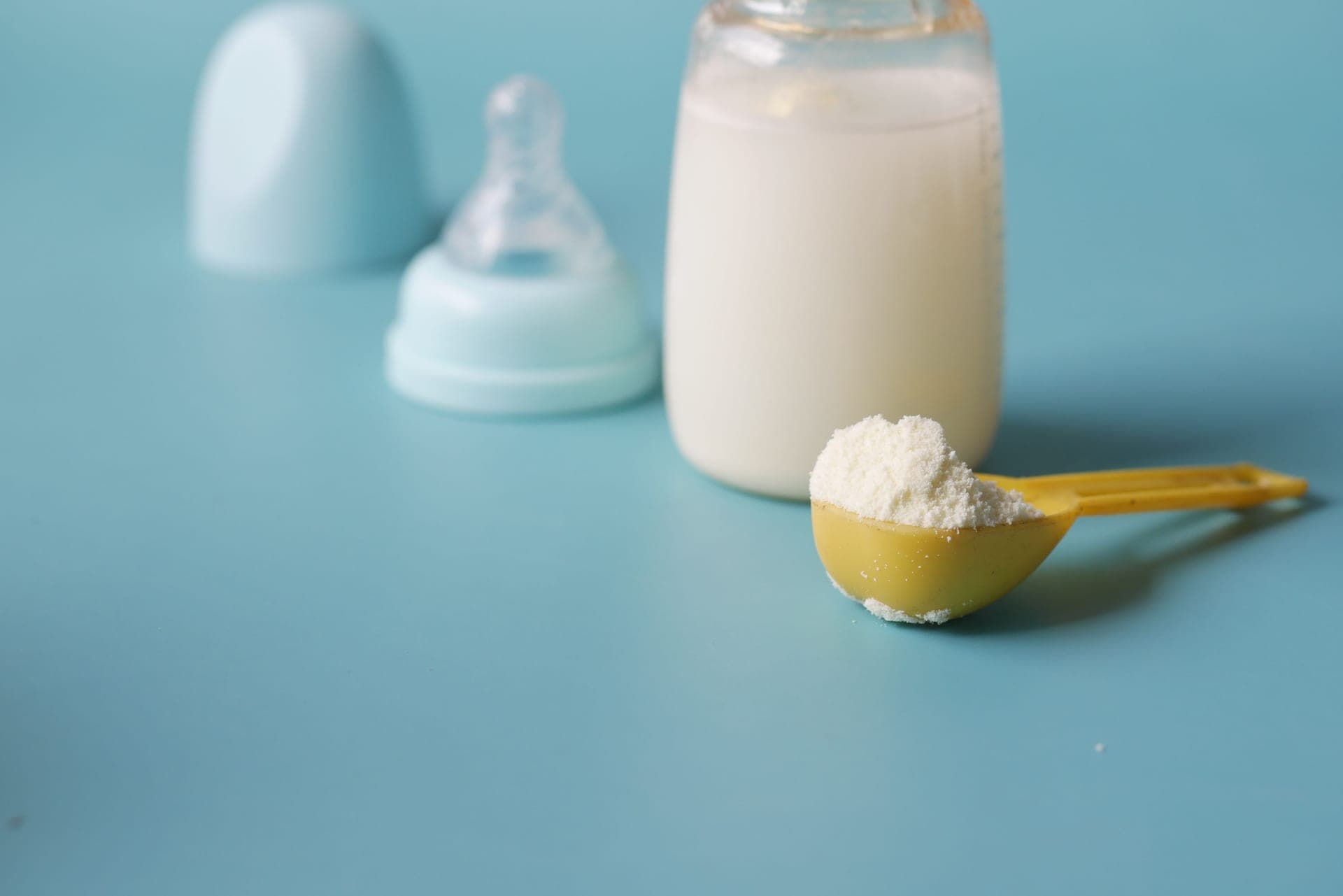
Photo for illustration, not a photograph of our own unit.
Philips Avent Natural Response
Philips Avent
The safest default buy: a wide nipple that only releases milk when the baby actively drinks, inside the biggest parts ecosystem on the shelf.
- Latch
- 9
- Colic control
- 8
- Cleaning
- 9
- Durability
- 9
- Value
- 9
- Material:
- Polypropylene, glass and PPSU versions
- Parts to wash:
- Three
- Nipple shape:
- Wide
- Price tier:
- Mid-range
What works
- Flow-on-demand nipple paces the feed more like nursing
- Bottles, nipples, sippy tops and pump parts all interchange
- Available in plastic, glass and PPSU with the same nipples
What to know first
- Venting is milder than Dr. Brown's for a severely windy baby
- Nipple flow numbering confuses first-time buyers
- Wide base does not fit narrow warmer wells
#ad Affiliate link · We show no price until we can verify it live
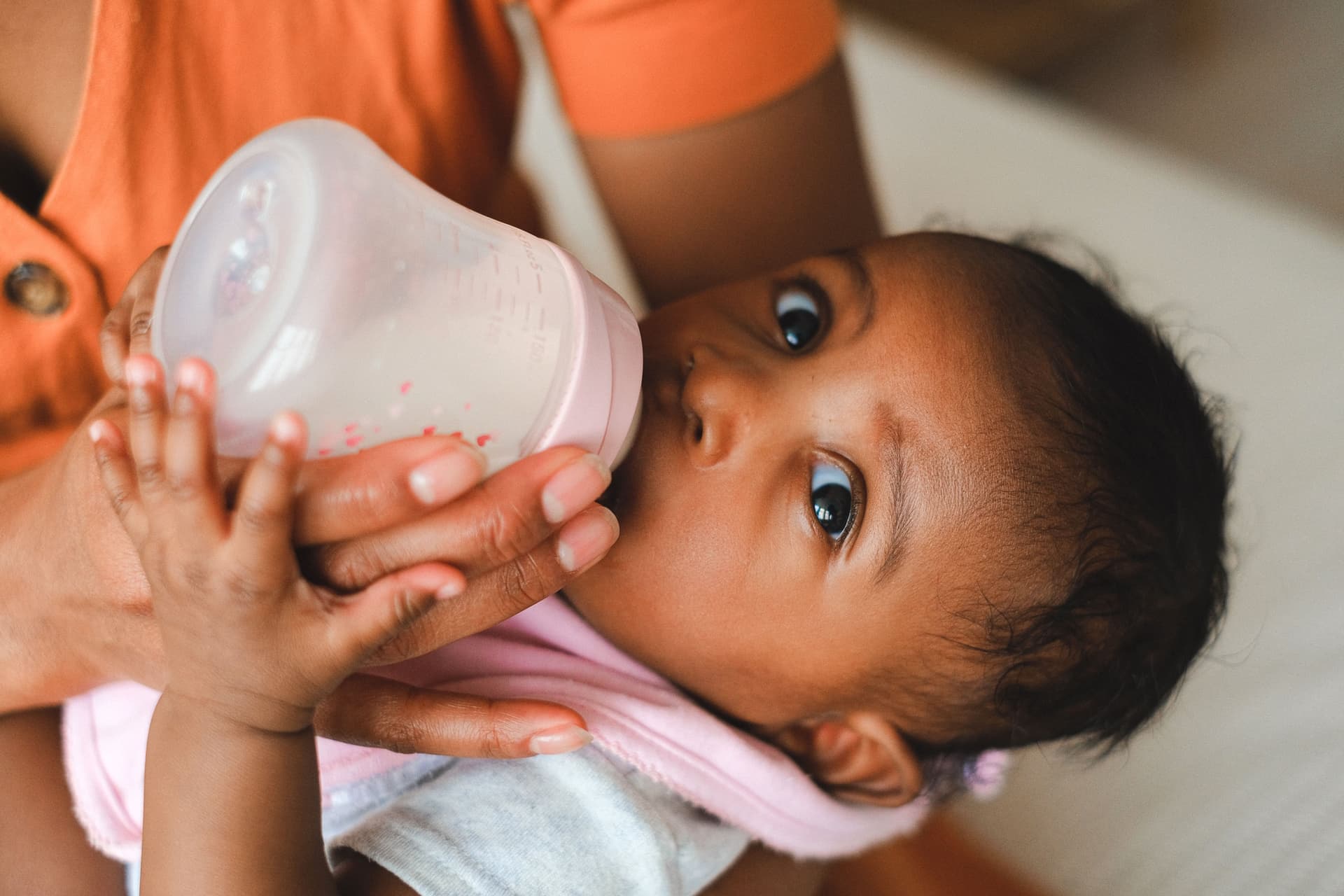
Photo for illustration, not a photograph of our own unit.
Medela Harmony
Medela
The default manual pump in the US, and deservedly so: a two-speed handle that lets you stimulate then express without a motor.
- Output
- 6
- Comfort
- 8
- Discretion
- 8
- Cleaning
- 9
- Value
- 10
- Type:
- Manual, single
- Standout feature:
- Two-phase handle action
- Cleaning burden:
- Low
- Price tier:
- Budget
What works
- The best-selling manual pump in the US, so parts are everywhere
- Angled shield fits more bodies comfortably than a flat flange
- Nothing to charge and nothing to break
What to know first
- One breast at a time, and your hand does the work
- Not a realistic tool for exclusive pumping
- Hand fatigue on long sessions
#ad Affiliate link · We show no price until we can verify it live
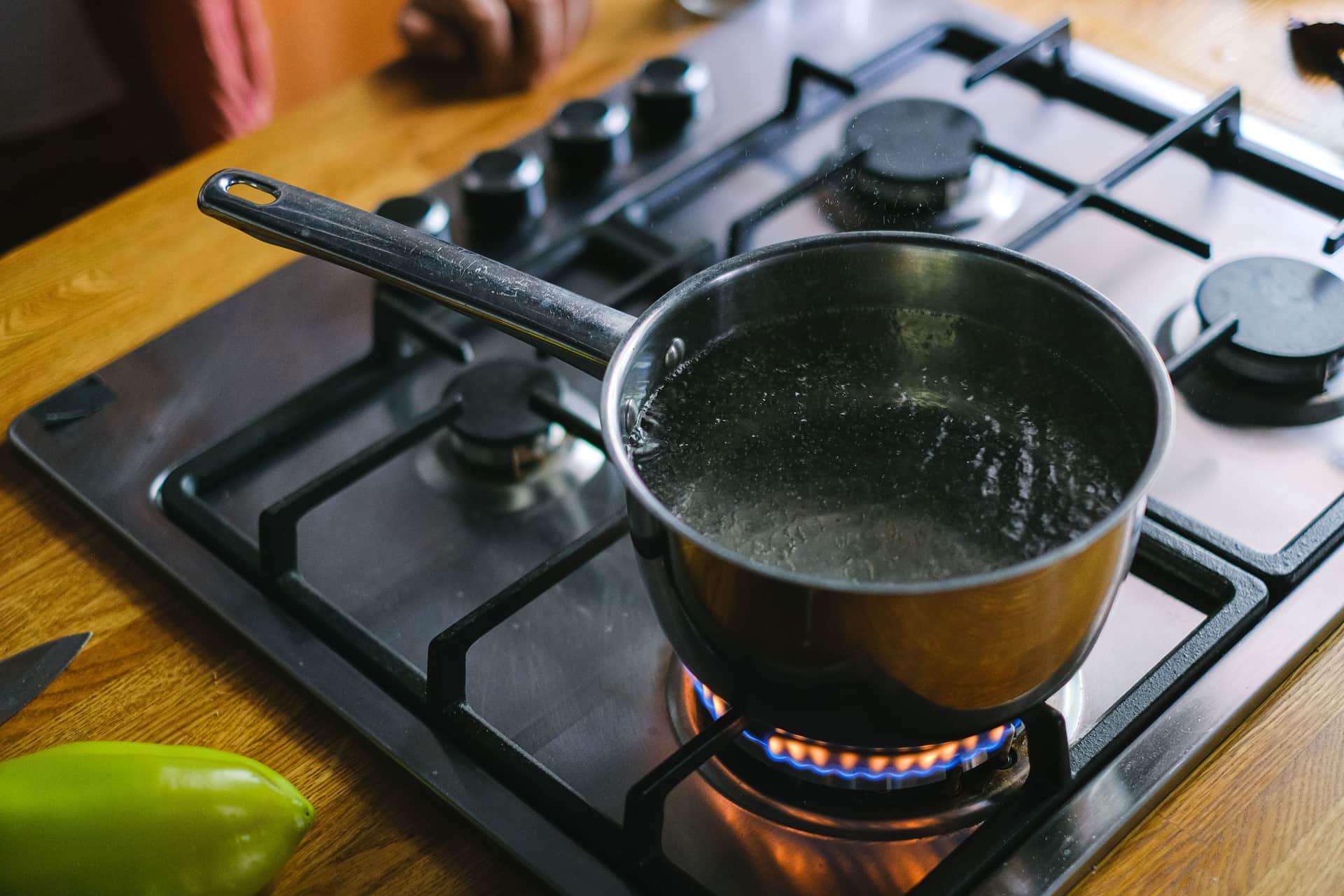
Photo for illustration, not a photograph of our own unit.
Munchkin Steam Guard Microwave Sterilizer
Munchkin
A plastic box, a splash of water and your microwave. It sterilizes properly and costs a fraction of an electric unit, so start here.
- Speed
- 9
- Evenness
- 8
- Capacity
- 6
- Ease of use
- 7
- Value
- 10
- Method:
- Microwave steam
- Capacity:
- Around four bottles
- Extras:
- None
- Price tier:
- Budget
What works
- Cheapest real sterilizing method after a pan of boiling water
- No counter space used between cycles
- Fast, at a couple of minutes per load
What to know first
- No drying, so parts come out wet
- You need a microwave big enough
- Hot and heavy to lift out
#ad Affiliate link · We show no price until we can verify it live
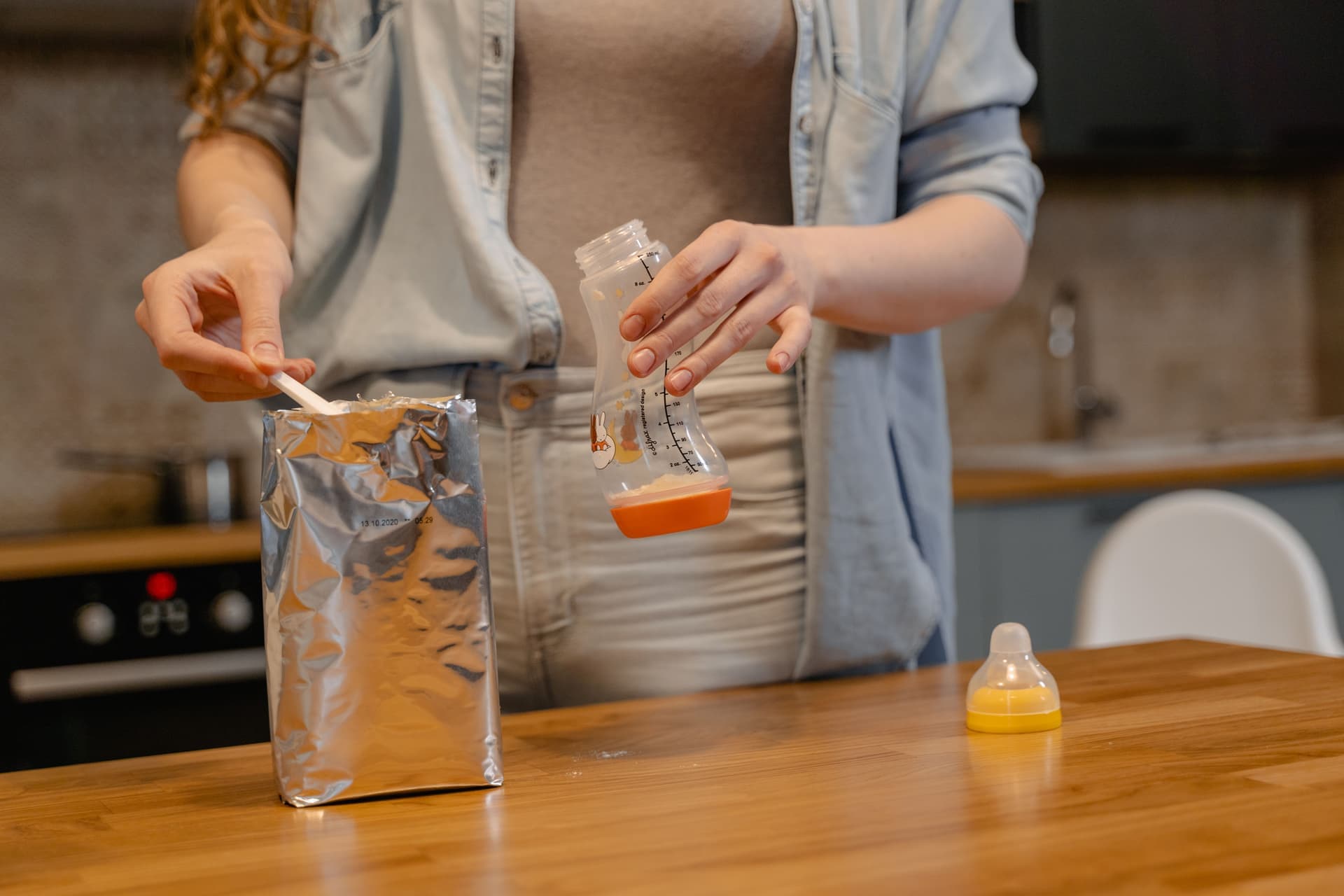
Photo for illustration, not a photograph of our own unit.
Baby Brezza Safe + Smart Bottle Warmer
Baby Brezza
The warmer reviewers keep putting first: steady temperature control, it fits essentially every bottle shape, and it shuts itself off.
- Speed
- 8
- Evenness
- 9
- Capacity
- 8
- Ease of use
- 9
- Value
- 8
- Method:
- Warm water bath with electronic control
- Fits:
- Narrow, wide and squat bottles
- Extras:
- Auto shut-off, keep-warm, app control
- Price tier:
- Mid-range
What works
- Controlled warming rather than blasting steam, which is kinder to milk
- Accepts nearly every bottle shape, including silicone and squat bottles
- Auto shut-off and keep-warm remove the guesswork at 3am
What to know first
- Takes counter space
- The app is unnecessary for most people
- Needs descaling in hard-water areas
#ad Affiliate link · We show no price until we can verify it live
Common questions
What do I actually need to feed a newborn?
Two bottles of one brand with the slowest nipples, a bottle brush, a wash basin, and a way to sanitize. Add pumping gear and storage only if you are pumping. Everything else can wait.
Should I buy a breast pump before the baby arrives?
A manual pump is useful to have on hand for colostrum and engorgement. For an electric pump, it is entirely reasonable to wait two or three weeks until you know how you are feeding — and to call your insurance first.
Do I need a bottle warmer for a newborn?
Usually not. A jug of warm water works, and many babies take milk cool. See do you need a bottle warmer?
How many bottles should I have before the baby comes?
Two. Buy the rest once you know your baby takes that nipple. Full numbers by feeding style in how many bottles do I need?
Do I need to sterilize everything before first use?
Yes, sanitize new feeding items before the first use, then clean after every use and sanitize daily while your baby is under two months old, was born premature, or has a weakened immune system, per CDC guidance.
What is the one thing people most often waste money on?
A full set of bottles bought before anyone knew whether the baby would take that nipple. After that, an expensive sterilizer-dryer bought by someone who was never going to pump.