Guides
Do you need a bottle warmer?
Probably not. Milk does not have to be warm, and a jug of warm water is free. Here is when a warmer genuinely earns its place.
How this page is funded: if you buy through a link here we may earn an Amazon commission, at no extra cost to you. It never changes which product we put first, and we recommend the cheaper option whenever it is the better one. Full disclosure.
The short answer
No, most parents do not. Milk does not have to be warm, plenty of babies take it cool or at room temperature, and a jug of warm water heats a bottle in a few minutes for nothing. A warmer earns its place in three situations: your baby genuinely refuses cool milk, you reheat stored milk several times a day, or you are feeding at 3am and want one less thing to think about. If none of those is you, skip it — and if you are not sure, wait. You can buy one in week three when you know.
Does milk actually need to be warm?
No. There is no requirement that milk be warmed, and cool or room-temperature milk is fine for most babies. The reason warm milk is the default expectation is that milk from the breast is body temperature, so a baby who has only ever nursed may prefer it.
Which is a preference, not a necessity, and preferences vary. A useful experiment in the first weeks: offer a bottle at room temperature. If your baby drinks it, you have saved yourself a purchase and a counter appliance. If they refuse it, you now know something specific about your baby rather than guessing.
When a warmer is genuinely worth it
- Your baby refuses cool milk. The clearest case. Some babies are very firm about it, and a warmer removes a nightly argument.
- You are exclusively pumping. Reheating refrigerated milk five or six times a day with a jug of hot water gets old fast, and a controlled warmer is kinder to the milk than improvising with boiling water.
- Night feeds. At 3am, a device that beeps when it is done beats standing at the sink judging water temperature.
- You are thawing frozen milk regularly. Thaw in the fridge first, then warm — a warmer makes the second half consistent.
When to skip it
- Your baby takes cool milk. There is nothing to solve.
- You are giving one bottle a day. A jug of warm water is genuinely fine.
- Your counter is full. This is a real consideration, and warmers are not small.
- You have squat, wide bottles. Check the fit first, or you will buy a warmer your bottles do not go into. See warmers that fit glass bottles for the same problem.
The free method, properly explained
Stand the bottle in a jug, bowl or mug of warm — not boiling — water for a few minutes. Swirl gently rather than shaking. Test a few drops on the inside of your wrist: it should feel neutral, neither warm nor cool.
That is it, and it works on every bottle shape ever made, which not every warmer does. Full method, including thawing frozen milk, in how to warm breast milk.
If you do buy one, buy the right kind
Two mechanisms. Steam warmers are fast and cheap and can overheat milk if you misjudge the dial. Warm-water warmers sit the bottle in circulating water at a controlled temperature: slower, gentler, much harder to get wrong.
If you are warming breast milk rather than formula, pay for controlled warming — excessive heat is not good for milk you spent twenty minutes expressing. Our pick and the full ranking are in best bottle warmers. For a car or a plane, the portable options are in best portable bottle warmers.
The keep-warm trap
Keep-warm modes are convenient and they are also a way to leave milk sitting warm for a long time. Per CDC storage guidance, freshly expressed milk keeps up to four hours at room temperature and milk left over after a feed should be used within two hours. Warm it when you are ready to feed, not an hour in advance, and do not put warmed milk back in the fridge for later. Every limit is in how long can breast milk sit out?
Worth saying plainly
Never microwave milk or formula. Microwaves heat unevenly and create hot spots that can scald a baby's mouth even when the bottle feels fine in your hand. Always swirl rather than shake, and test on the inside of your wrist before every feed.
What we would buy
Now that the decision is made, these are the products we would actually put in the basket, and why.
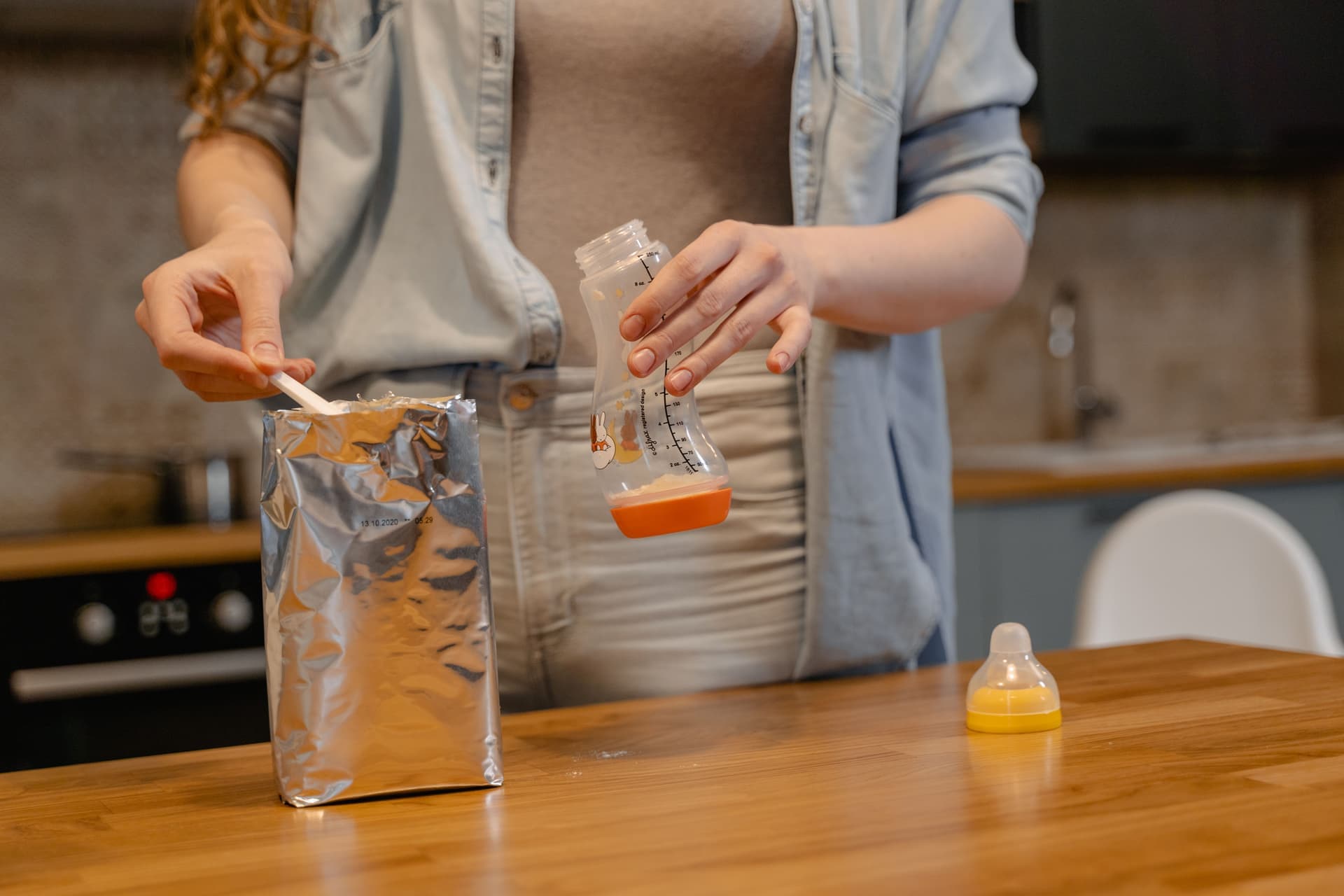
Photo for illustration, not a photograph of our own unit.
Baby Brezza Safe + Smart Bottle Warmer
Baby Brezza
The warmer reviewers keep putting first: steady temperature control, it fits essentially every bottle shape, and it shuts itself off.
- Speed
- 8
- Evenness
- 9
- Capacity
- 8
- Ease of use
- 9
- Value
- 8
- Method:
- Warm water bath with electronic control
- Fits:
- Narrow, wide and squat bottles
- Extras:
- Auto shut-off, keep-warm, app control
- Price tier:
- Mid-range
What works
- Controlled warming rather than blasting steam, which is kinder to milk
- Accepts nearly every bottle shape, including silicone and squat bottles
- Auto shut-off and keep-warm remove the guesswork at 3am
What to know first
- Takes counter space
- The app is unnecessary for most people
- Needs descaling in hard-water areas
#ad Affiliate link · We show no price until we can verify it live
Photo for illustration, not a photograph of our own unit.
Dr. Brown's Deluxe Bottle Warmer
Dr. Brown's
A dial, a steam basket, and nothing to learn. If you want a warmer and not a gadget, this is the one.
- Speed
- 9
- Evenness
- 7
- Capacity
- 7
- Ease of use
- 8
- Value
- 10
- Method:
- Steam
- Fits:
- Narrow and wide bottles
- Extras:
- Timer dial, auto shut-off
- Price tier:
- Budget
What works
- Cheap, simple and very widely owned
- Fits both narrow and wide bottles from most brands
- Fast
What to know first
- Steam warming can overheat milk if you misjudge the dial
- No temperature readout
- Needs the water refilled each cycle
#ad Affiliate link · We show no price until we can verify it live
Photo for illustration, not a photograph of our own unit.
The Baby's Brew Portable Bottle Warmer
The Baby's Brew
A cordless, rechargeable warmer that holds a set temperature. The one that actually solves warming milk in a car or on a plane.
- Speed
- 7
- Evenness
- 9
- Capacity
- 5
- Ease of use
- 8
- Value
- 6
- Method:
- Battery-powered controlled heating
- Fits:
- Most standard bottles, with adapters
- Extras:
- Temperature settings, travel case
- Price tier:
- Premium
What works
- Genuinely cordless, with no car adapter or outlet needed
- Holds a chosen temperature rather than just heating
- Adapters cover most bottle brands
What to know first
- Expensive for a second warmer
- Needs charging before you leave
- One bottle at a time
#ad Affiliate link · We show no price until we can verify it live
Common questions
Do you need a bottle warmer for breast milk?
Not necessarily, though it is the strongest case for one, especially if you are reheating refrigerated milk several times a day. Choose a controlled warm-water model rather than an aggressive steam one.
Do you need a bottle warmer for formula?
No. Formula can be made with water at the temperature the manufacturer specifies, so a warmer is only about your baby's preference for warm milk.
Do you need a bottle warmer if you breastfeed?
Only for the bottles you give. A baby used to body-temperature milk from the breast may prefer it, so it is worth testing with a jug of warm water before buying anything.
Do you need a bottle warmer and a sterilizer?
They do different jobs, and you may need neither. Sterilizing is the more clearly guided of the two — see sterilizer vs dishwasher.
Can I warm a bottle in hot tap water?
Standing a bottle in a jug of warm water is the standard method. Do not use boiling water, and always test the milk on your wrist before feeding.
Is it safe to warm milk twice?
Do not rewarm milk repeatedly, and do not return warmed milk to the fridge for later. Leftover milk from a feed should be used within two hours per CDC guidance.