Baby bottles
The best bottles for breastfed babies in 2026
Which bottles a nursing baby is most likely to accept, and what to do about the one who refuses all of them.
How this page is funded: if you buy through a link here we may earn an Amazon commission, at no extra cost to you. It never changes which product we put first, and we recommend the cheaper option whenever it is the better one. Full disclosure.
Buy the Comotomo. Its soft, squeezable silicone body and very wide nipple are the closest thing on the shelf to nursing, and it is the bottle that most often works with a baby who has already turned down two others.

Our pick
Comotomo Natural Feel Baby Bottle
The bottle babies take when they have refused everything else: a soft squeezable silicone body and a wide, breast-shaped nipple.
Worth knowing before you order: the squat shape does not fit every warmer well or sterilizer rack. Check yours, or plan to warm in a jug of warm water instead.
#ad Affiliate link · We show no price until we can verify it live
Who should buy something else
- You want one bottle system that also covers pumping, sippy cups and everything later. Buy the Philips Avent Natural Response. Wide nipple, everything interchanges.
- You are alternating breast and bottle every day. Buy the Lansinoh bottle. Its nipple is designed around the tongue movement of nursing.
- Your baby has refused three or four bottles already. Buy one Mimijumi. It is expensive and odd-looking, and it works on some determined refusers.
Quick picks
Our ranking, with the reasoning underneath. Tap any row to jump to the full write-up.
| # | Product | Best for | Score | Price |
|---|---|---|---|---|
| 1 | Comotomo Natural Feel Baby Bottle The bottle babies take when they have refused everything else: a soft squeezable silicone body and a wide, breast-shaped nipple. | Breastfed babies | 8.8 | Check price on Amazon #ad Affiliate link · We show no price until we can verify it live |
| 2 | 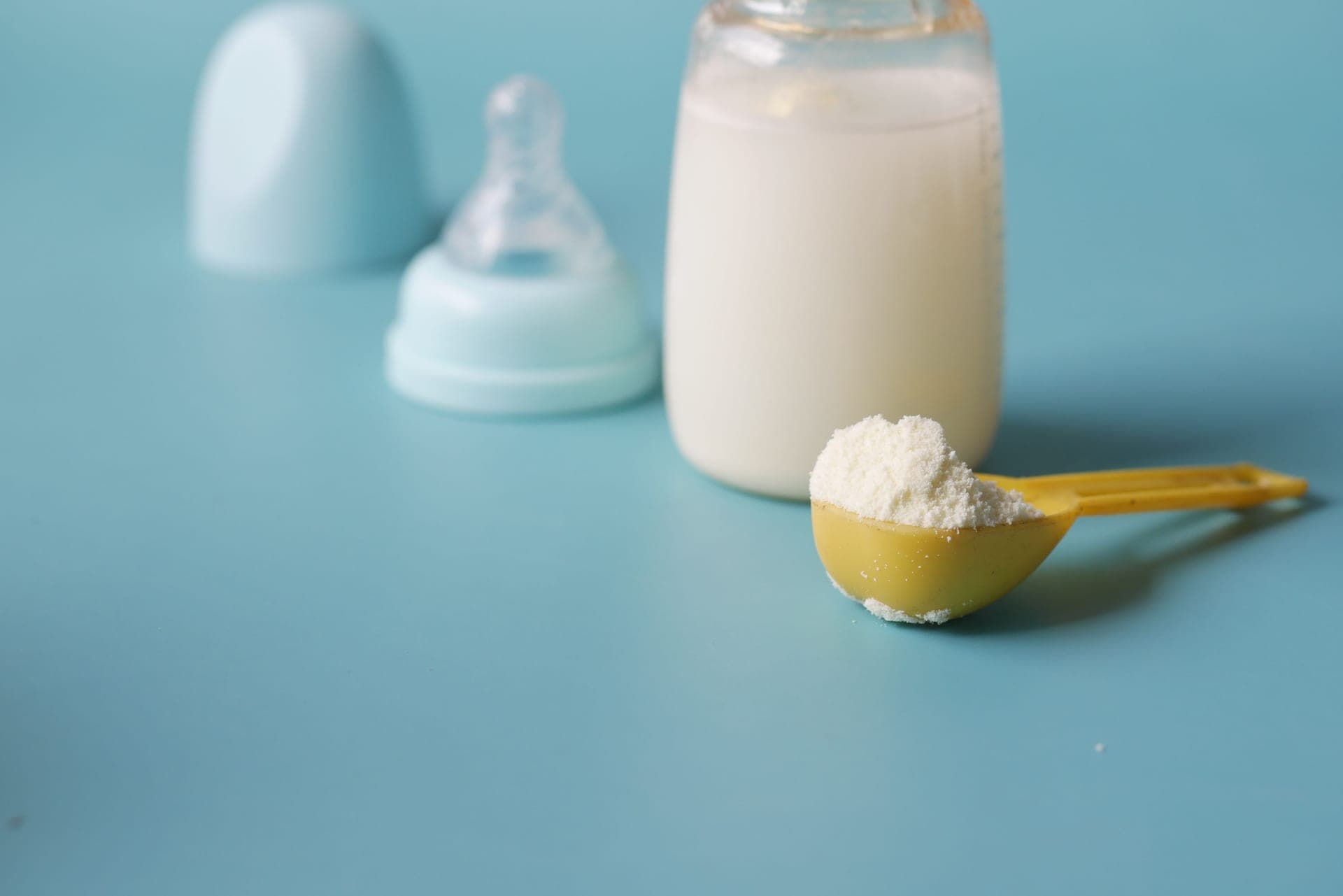 Philips Avent Natural Response The safest default buy: a wide nipple that only releases milk when the baby actively drinks, inside the biggest parts ecosystem on the shelf. | Most babies | 8.9 | Check price on Amazon #ad Affiliate link · We show no price until we can verify it live |
| 3 | Nanobebe Flexy Silicone Bottle A soft silicone bottle shaped to sit against the body, and one of the easier first bottles for a newborn to accept. | Newborns | 8.2 | Check price on Amazon #ad Affiliate link · We show no price until we can verify it live |
| 4 | Lansinoh Baby Bottle with NaturalWave Nipple Designed around the tongue movement of nursing, which makes it one of the easier bottles to alternate with the breast. | Switching between breast and bottle | 8.1 | Check price on Amazon #ad Affiliate link · We show no price until we can verify it live |
| 5 | Pigeon SofTouch PPSU The nipple most often described as closest to nursing, on a PPSU body that survives daily sterilizing without clouding. | Nipple feel | 8.7 | Check price on Amazon #ad Affiliate link · We show no price until we can verify it live |
| 6 | Mimijumi Very Hungry Bottle Expensive, odd-looking, and the bottle parents buy when nothing else has worked. Its skin-textured nipple wins over some determined refusers. | A determined bottle refuser | 7.6 | Check price on Amazon #ad Affiliate link · We show no price until we can verify it live |
Scores are our own research scores on the rubric published at how we choose. They are not star ratings from customers, and we do not show a price we cannot verify live.
Every pick, in detail
Photo for illustration, not a photograph of our own unit.
Comotomo Natural Feel Baby Bottle
Comotomo
The bottle babies take when they have refused everything else: a soft squeezable silicone body and a wide, breast-shaped nipple.
- Latch
- 10
- Colic control
- 7
- Cleaning
- 9
- Durability
- 7
- Value
- 7
- Material:
- Silicone body, silicone nipple
- Parts to wash:
- Three
- Nipple shape:
- Wide, breast-like
- Price tier:
- Mid-range
What works
- The most widely recommended bottle for bottle-refusing breastfed babies
- Only three parts, and the wide mouth washes by hand easily
- Soft body is easy for small hands to hold later on
What to know first
- Squat shape does not fit every bottle warmer or sterilizer rack
- No internal venting system, so it is not the anti-colic specialist
- Nipples wear faster than hard plastic ones
#ad Affiliate link · We show no price until we can verify it live
Photo for illustration, not a photograph of our own unit.
Philips Avent Natural Response
Philips Avent
The safest default buy: a wide nipple that only releases milk when the baby actively drinks, inside the biggest parts ecosystem on the shelf.
- Latch
- 9
- Colic control
- 8
- Cleaning
- 9
- Durability
- 9
- Value
- 9
- Material:
- Polypropylene, glass and PPSU versions
- Parts to wash:
- Three
- Nipple shape:
- Wide
- Price tier:
- Mid-range
What works
- Flow-on-demand nipple paces the feed more like nursing
- Bottles, nipples, sippy tops and pump parts all interchange
- Available in plastic, glass and PPSU with the same nipples
What to know first
- Venting is milder than Dr. Brown's for a severely windy baby
- Nipple flow numbering confuses first-time buyers
- Wide base does not fit narrow warmer wells
#ad Affiliate link · We show no price until we can verify it live
Photo for illustration, not a photograph of our own unit.
Nanobebe Flexy Silicone Bottle
Nanobebe
A soft silicone bottle shaped to sit against the body, and one of the easier first bottles for a newborn to accept.
- Latch
- 9
- Colic control
- 7
- Cleaning
- 9
- Durability
- 7
- Value
- 7
- Material:
- Silicone
- Parts to wash:
- Three
- Nipple shape:
- Wide, breast-like
- Price tier:
- Mid-range
What works
- Frequently named a best newborn bottle by review outlets
- Soft body squeezes, which some newborns prefer
- Wide neck is simple to clean
What to know first
- Unusual shape does not fit all sterilizer racks
- No internal vent
- Pricier per bottle than plastic
#ad Affiliate link · We show no price until we can verify it live
Photo for illustration, not a photograph of our own unit.
Lansinoh Baby Bottle with NaturalWave Nipple
Lansinoh
Designed around the tongue movement of nursing, which makes it one of the easier bottles to alternate with the breast.
- Latch
- 9
- Colic control
- 7
- Cleaning
- 7
- Durability
- 8
- Value
- 8
- Material:
- Polypropylene
- Parts to wash:
- Three
- Nipple shape:
- Narrow with a long nipple
- Price tier:
- Mid-range
What works
- Nipple shape is built for combination feeding
- Slim bottle fits every warmer well and cup holder
- Air-venting without an internal straw
What to know first
- Narrow neck is harder to hand-wash
- Smaller accessory range
- Not the pick for a badly gassy baby
#ad Affiliate link · We show no price until we can verify it live
Photo for illustration, not a photograph of our own unit.
Pigeon SofTouch PPSU
Pigeon
The nipple most often described as closest to nursing, on a PPSU body that survives daily sterilizing without clouding.
- Latch
- 10
- Colic control
- 8
- Cleaning
- 9
- Durability
- 9
- Value
- 6
- Material:
- PPSU
- Parts to wash:
- Three
- Nipple shape:
- Wide
- Price tier:
- Premium
What works
- PPSU tolerates repeated sterilizing better than polypropylene
- Nipple is widely praised for latch
- Light for a premium bottle
What to know first
- Most expensive plastic bottle here
- The amber tint of PPSU looks stained even when clean
- Smaller US accessory range than Avent
#ad Affiliate link · We show no price until we can verify it live
Photo for illustration, not a photograph of our own unit.
Mimijumi Very Hungry Bottle
Mimijumi
Expensive, odd-looking, and the bottle parents buy when nothing else has worked. Its skin-textured nipple wins over some determined refusers.
- Latch
- 9
- Colic control
- 7
- Cleaning
- 8
- Durability
- 8
- Value
- 4
- Material:
- Polypropylene body, silicone nipple
- Parts to wash:
- Three
- Nipple shape:
- Very wide, textured
- Price tier:
- Premium
What works
- Unusually breast-like nipple texture and width
- Frequently the bottle that finally works after several failures
- Solid build
What to know first
- Expensive per bottle
- Very wide base fits almost no warmers
- Hard to find in stores
#ad Affiliate link · We show no price until we can verify it live
Why a nursing baby refuses a bottle
It is almost never the brand. A baby who nurses has learned one specific way of feeding: a wide latch, a slow flow that they control, skin, and a particular rhythm. A bottle that differs too much on any of those gets rejected.
The things that most often actually cause a refusal:
- Flow too fast. Milk arrives without them working for it, which is alarming rather than pleasant. Almost always start on the slowest nipple.
- Nipple too narrow. A long, thin nipple asks for a shallow latch that a nursing baby has never used.
- Wrong person, wrong position. A baby who can smell the milk they would rather have from the breast has a better offer nearby. This is why the bottle often works better from a partner — and why "my baby won't take a bottle from dad" is usually a different problem than it looks.
- Timing. A very hungry baby has no patience for a new object; a full one has no motivation. Slightly hungry is the window.
We go through the whole sequence, in order, in why won't my baby take a bottle? and how to introduce a bottle. Read one of those before you buy a fourth brand.
What to look for
A wide, gently sloping nipple
You want a base broad enough that your baby opens wide, the same as they do on the breast. Comotomo, Avent Natural Response, Nanobebe and Pigeon all qualify. Narrow bottles are not disqualified — the Lansinoh is narrow and works well for lots of babies — but wide is the better first bet.
The slowest flow you can buy
Start slow, always. If a feed takes far longer than nursing does and your baby is visibly frustrated, move up one level. Not before. See nipple flow sizes.
A soft body you can squeeze
Silicone bottles let you assist gently at the start of a feed, which sometimes gets a hesitant baby going. It also means the bottle is easier for them to hold themselves later.
Compatibility with your pump
If you pump, a bottle system that threads onto your pump saves a transfer and a wash every session. The Avent range is the easiest here. Our pump picks note which bottles each pump fits.
Paced feeding matters more than the bottle
If there is one technique worth learning, it is paced bottle feeding: baby upright, bottle close to horizontal, pauses built in, and letting them set the rhythm. It reduces gulping and wind, and it makes going back and forth between breast and bottle much easier. Full method in paced bottle feeding.
Worth saying plainly
A baby refusing all feeds, losing weight, or feeding much less than usual needs a pediatrician or a lactation consultant the same day. Persistent refusal is also worth a professional conversation — it can have causes, like a tongue tie or reflux, that no bottle fixes.
How we chose
Researched, not hands-on tested, and labeled that way on every card. We used independent comparisons from outlets including Mommyhood101, manufacturer specifications for nipple shape, material and part count, and qualitative patterns in owner feedback about which bottles work with refusers. Hygiene claims follow CDC guidance. Scores use latch acceptance, colic control, cleaning, durability and value, weighted towards latch on this page because it is the only thing that matters if the bottle gets refused. Rubric: how we choose.
Common questions
When should I introduce a bottle to a breastfed baby?
Commonly somewhere between three and six weeks, once feeding is established, and at least a couple of weeks before you actually need it to work. Leaving it until the week you return to work is the most common source of panic. Full timing in how to introduce a bottle.
Will bottle feeding cause nipple confusion?
Plenty of babies switch between breast and bottle without difficulty, especially with a wide nipple, a slow flow and paced feeding. Some do develop a preference. If yours is struggling with the breast after starting bottles, a lactation consultant is the right person to ask.
Why won't my baby take a bottle from me but will from someone else?
Because you are a better offer. If you are there, the baby knows a familiar, warmer option exists. Having a partner try, while you are out of the room, solves this surprisingly often. More in why won't my baby take a bottle?
Which bottle is closest to breastfeeding?
Comotomo, for most people, on nipple width and body feel. Pigeon's nipple is the one most often praised for latch quality. Mimijumi is the specialist last resort.
Do I need a special bottle if I am combination feeding?
Not special, but a wide nipple with a slow flow helps, and the Lansinoh nipple is specifically designed for switching back and forth. Consistency matters more than the brand.