Baby bottles: which one actually suits your baby
Nine brands make almost the same promise. Here is what genuinely separates them, and how to pick without buying six sets.
How this page is funded: if you buy through a link here we may earn an Amazon commission, at no extra cost to you. It never changes which product we put first, and we recommend the cheaper option whenever it is the better one. Full disclosure.
Buy two bottles first. Not twelve.
If you read one sentence on this page, read that one. Babies have opinions about nipples, those opinions are not predictable from the packaging, and the most common expensive mistake in this category is a registry stacked with eight bottles of a brand your baby then refuses.
Buy two of one brand. If your baby takes them, buy the rest. If not, you are out the price of two bottles instead of a full set. How many you eventually need depends on how you are feeding — the arithmetic is in how many bottles do I need?
What actually separates one bottle from another
Nine brands make nearly identical promises. Four things genuinely differ, and knowing them is enough to shop with confidence.
Nipple shape and width. This is what decides whether your baby takes the bottle at all. Wide, gently sloping nipples ask for a latch closer to nursing; narrow nipples are longer and thinner. Breastfed babies usually do better with wide, which is the whole premise of our picks for breastfed babies.
Venting. A vent lets air into the bottle so your baby is not swallowing it. The designs range from a simple valve in the nipple to Dr. Brown's internal tube, which works best and adds two parts to wash at every feed. That is a real trade rather than marketing, and the anti-colic round-up is honest about both halves of it.
Material. Polypropylene is light and cheap. Silicone is soft and squeezable. PPSU survives repeated sterilizing without clouding. Glass does not scratch or hold smells but is heavy and breakable. On safety specifically, the FDA no longer permits BPA-based polycarbonate resins in baby bottles or sippy cups, so a new bottle from a mainstream brand is not a BPA question. If you would still rather avoid plastic, start with the glass bottle picks or read glass vs plastic.
Parts count. Three parts is baseline: bottle, nipple, collar. Add a vent and you are at five, times eight to twelve feeds a day. You will feel this difference by week two.
Flow rate matters more than the brand
Every brand sells the same bottle with several nipple flow rates, and every brand numbers them differently, which is genuinely unhelpful. A newborn starts on the slowest. Too fast and milk floods out, your baby gulps or gives up; too slow and they work themselves to sleep hungry.
Most problems that look like "the wrong bottle" are the wrong flow rate. Before you buy a different brand, try the next flow up or down: bottle nipple flow sizes explained.
Cleaning, and whether you need a sterilizer
Per CDC guidance on infant feeding items, take bottles apart and clean them after every feed, and sanitize daily if your baby is under two months old, was born premature, or has a weakened immune system. A dishwasher run hot with a heated drying or sanitizing cycle does the job for most families.
Which means: a lot of people do not need a dedicated sterilizer at all. We say so plainly in bottle sterilizer vs dishwasher, and the same honesty applies to warmers in do you need a bottle warmer?
If your baby refuses the bottle
It is usually not the brand. It is flow too fast, a nipple too narrow, the wrong person offering it, or the wrong moment. Work through why won't my baby take a bottle? before buying a fourth set, and learn paced bottle feeding, which costs nothing and fixes more feeds than any purchase will.
And if your baby is refusing all feeds or losing weight, that is a pediatrician conversation the same day. We review bottles; we do not diagnose feeding problems.
Our rankings in this category
Each one leads with a named winner. The price slot on every card goes straight to Amazon for that winner.
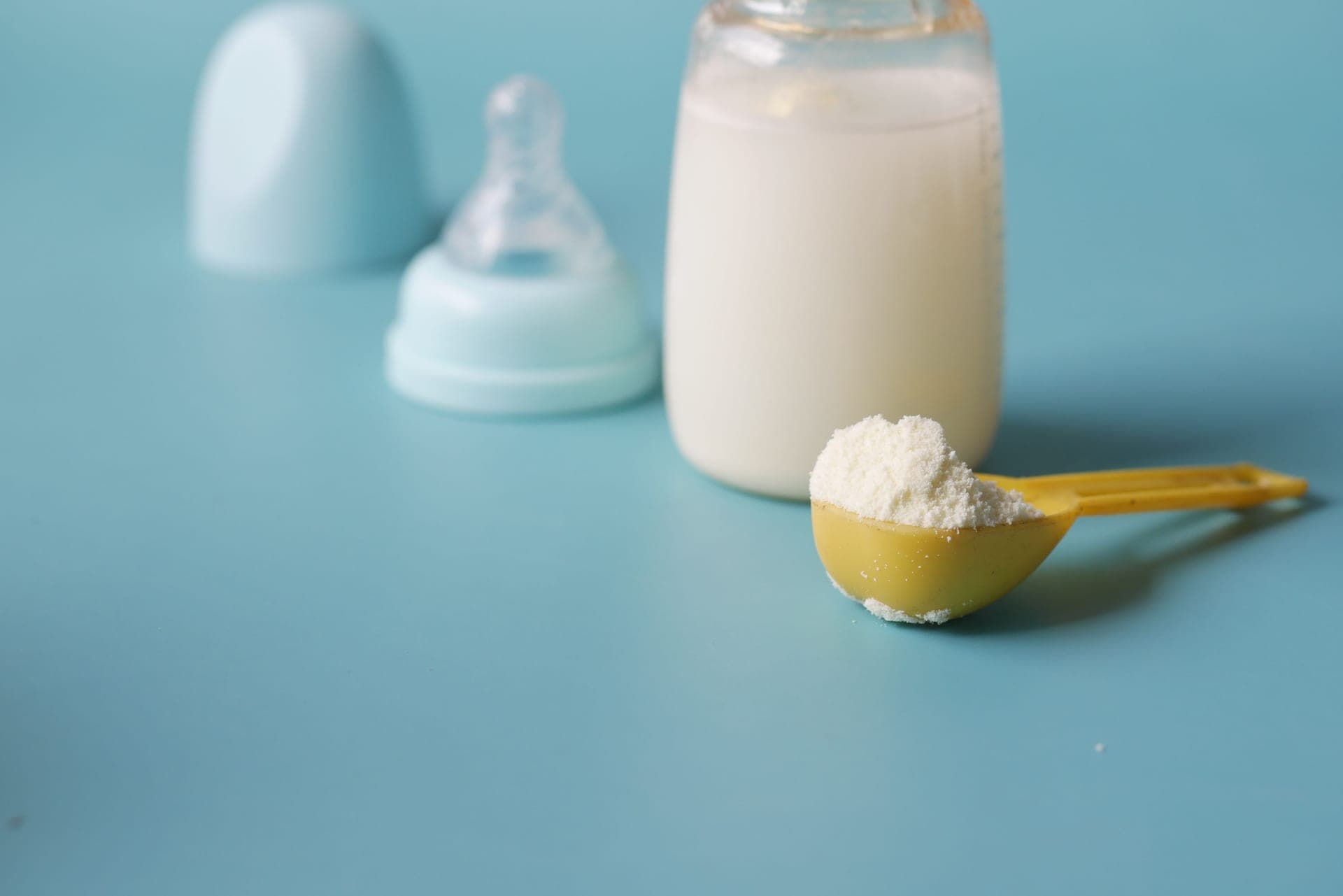
Best baby bottle
The best baby bottles of 2026
Eight bottles ranked: the all-rounder, the anti-colic pick, the glass pick and the refuser's bottle.
Top pick: Philips Avent Natural Response
#ad Affiliate link · We show no price until we can verify it live

Best for breastfed babies
The best bottles for breastfed babies in 2026
The bottles a nursing baby is most likely to accept, led by the one that works after others fail.
Top pick: Comotomo Natural Feel Baby Bottle
#ad Affiliate link · We show no price until we can verify it live
Best anti-colic bottle
The best anti-colic bottles of 2026
Which venting systems genuinely reduce wind, and an honest answer on what a bottle cannot fix.
Top pick: Dr. Brown's Natural Flow Options+ Narrow
#ad Affiliate link · We show no price until we can verify it live
Best glass bottle
The best glass baby bottles of 2026
Five glass bottles ranked, plus the hybrid that solves the weight problem.
Top pick: Philips Avent Natural Response Glass
#ad Affiliate link · We show no price until we can verify it live
Best newborn bottle
The best bottles for newborns in 2026
Five newborn-suitable bottles, and why flow rate matters more than the brand on the box.
Top pick: Nanobebe Flexy Silicone Bottle
#ad Affiliate link · We show no price until we can verify it live
Head to head
Head to head
Glass vs plastic baby bottles: which should you buy?
Weight, safety, heat, cost and durability compared, plus the hybrid middle ground.
Read it →Head to head
Dr. Brown's vs Comotomo: which bottle should you buy?
The anti-colic specialist against the breast-refusal fixer, with a clear pick for each.
Read it →Head to head
Philips Avent vs Tommee Tippee: which bottles should you buy?
Two wide-nipple systems compared on nipple design, parts ecosystem, price and warmer fit.
Read it →