Guides
How many bottles do I need?
A number, by feeding style, instead of the usual it-depends. Plus the reason to buy only two before you buy any more.
How this page is funded: if you buy through a link here we may earn an Amazon commission, at no extra cost to you. It never changes which product we put first, and we recommend the cheaper option whenever it is the better one. Full disclosure.
The short answer
Exclusively bottle-feeding and washing once a day: 8 to 12 bottles. Combination feeding: 4 to 6. One covered feed a day: 2 to 3. Buy two first, whatever the number, until you know your baby takes that nipple. The arithmetic is simply feeds per day divided by how often you are willing to wash. A newborn feeds roughly eight to twelve times in 24 hours, so exclusive bottle feeding plus one wash a day lands you at eight to twelve bottles.
The numbers, by feeding style
| How you are feeding | Bottles, washing once a day | Bottles, washing twice a day |
|---|---|---|
| Exclusively bottle-fed newborn | 8 to 12 | 5 to 6 |
| Combination feeding, several bottles a day | 4 to 6 | 3 to 4 |
| One bottle a day, someone else covering a feed | 2 to 3 | 2 |
| Exclusively pumping | 10 to 12, plus storage bags | 6 to 8, plus storage bags |
| Occasional, for emergencies | 2 | 2 |
If you have a dishwasher and you run it daily, treat that as washing once a day. If you hand-wash after every feed, you genuinely can manage with two or three bottles — the higher numbers buy you time, not hygiene.
Why you buy two first
Babies have opinions about nipples, and those opinions are not predictable from the packaging. A registry stacked with eight bottles of one brand is the most common expensive mistake in this category, because a baby who refuses that nipple refuses all eight.
Buy two of one brand in the smallest size with the slowest nipple. If your baby takes them, buy the rest. If not, you are out the price of two bottles. Which brand to try first is in our bottle ranking, and for a nursing baby specifically, in best bottles for breastfed babies.
What size bottles, and when
Start with the small size, usually 4 or 5oz. A newborn takes small volumes, and a 9oz bottle with 2oz in it is awkward to angle and harder to judge.
Most people move to the larger size somewhere around three to four months, when feeds get bigger. You do not need to buy both sizes up front — in most ranges the nipples and collars fit both bottle sizes, so upgrading later means buying bottles, not a whole new system. That cross-compatibility is one of the practical reasons we lead with Philips Avent.
How many nipples, and spares
One nipple per bottle, plus two or three spares in the flow level you are using, plus two in the next level up so you can test a change the moment feeds start taking too long. Nipples wear out before bottles do — replace them when they discolour, swell, tear, or milk runs out in a stream rather than drips.
Flow level matters more than most people realize, and getting it wrong looks like a bottle problem. See bottle nipple flow sizes.
If you are pumping, count differently
Exclusive pumpers need bottles for feeding and containers for storing, and using bottles for both means owning a lot of bottles. Storage bags are cheaper, stack flat in a freezer and are designed for it.
Store in small amounts — two to four ounces — so a small feed does not waste a large bag, and label everything with the date. The storage limits, per CDC guidance: up to four hours at room temperature, up to four days in a fridge at 40°F, best quality within six months in a freezer at 0°F and up to twelve. Thawed milk keeps up to a day in the fridge, must never be refrozen, and milk left over from a feed should be used within two hours. The full table is in how long can breast milk sit out?
What else scales with the number of bottles
The bottles are not the only thing that multiplies. With twelve bottles a day you also want a bottle brush that will last, a drying rack or a large clean towel, and a realistic sanitizing plan.
On that last one: per CDC guidance, clean after every use and sanitize daily while your baby is under two months old, was born premature, or has a weakened immune system. A cheap microwave sterilizer covers that. Twelve bottles a day plus pump parts is also the scenario where an electric sterilizer-dryer starts to earn its price — see best bottle sterilizers.
Worth saying plainly
Do not stretch a small number of bottles by reusing one without washing it between feeds. Cleaning after every use is the requirement, and it is the one corner not to cut. If your baby is feeding much less than usual or not gaining weight, speak to your pediatrician.
What we would buy
Now that the decision is made, these are the products we would actually put in the basket, and why.
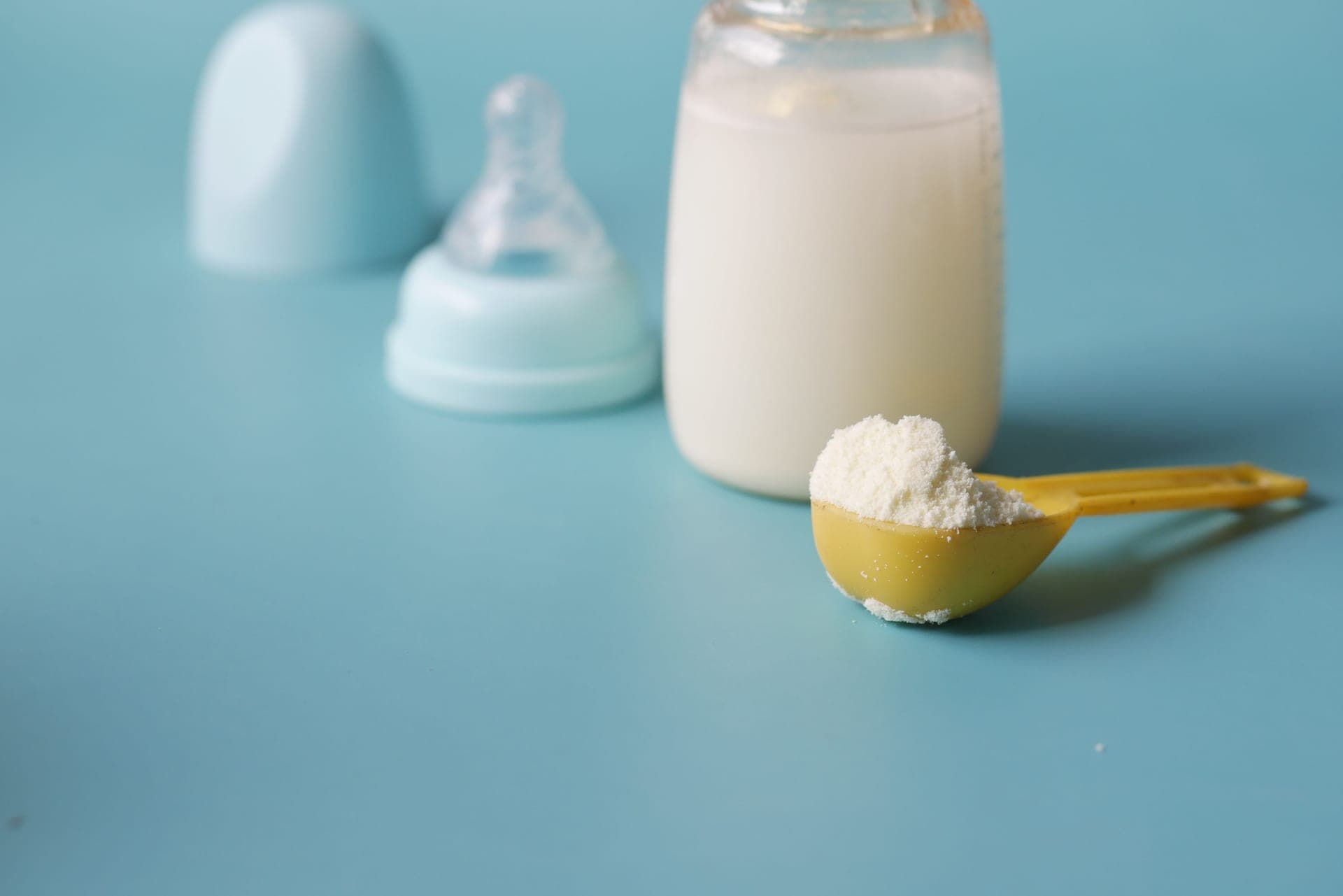
Photo for illustration, not a photograph of our own unit.
Philips Avent Natural Response
Philips Avent
The safest default buy: a wide nipple that only releases milk when the baby actively drinks, inside the biggest parts ecosystem on the shelf.
- Latch
- 9
- Colic control
- 8
- Cleaning
- 9
- Durability
- 9
- Value
- 9
- Material:
- Polypropylene, glass and PPSU versions
- Parts to wash:
- Three
- Nipple shape:
- Wide
- Price tier:
- Mid-range
What works
- Flow-on-demand nipple paces the feed more like nursing
- Bottles, nipples, sippy tops and pump parts all interchange
- Available in plastic, glass and PPSU with the same nipples
What to know first
- Venting is milder than Dr. Brown's for a severely windy baby
- Nipple flow numbering confuses first-time buyers
- Wide base does not fit narrow warmer wells
#ad Affiliate link · We show no price until we can verify it live

Photo for illustration, not a photograph of our own unit.
Comotomo Natural Feel Baby Bottle
Comotomo
The bottle babies take when they have refused everything else: a soft squeezable silicone body and a wide, breast-shaped nipple.
- Latch
- 10
- Colic control
- 7
- Cleaning
- 9
- Durability
- 7
- Value
- 7
- Material:
- Silicone body, silicone nipple
- Parts to wash:
- Three
- Nipple shape:
- Wide, breast-like
- Price tier:
- Mid-range
What works
- The most widely recommended bottle for bottle-refusing breastfed babies
- Only three parts, and the wide mouth washes by hand easily
- Soft body is easy for small hands to hold later on
What to know first
- Squat shape does not fit every bottle warmer or sterilizer rack
- No internal venting system, so it is not the anti-colic specialist
- Nipples wear faster than hard plastic ones
#ad Affiliate link · We show no price until we can verify it live
Photo for illustration, not a photograph of our own unit.
Munchkin Steam Guard Microwave Sterilizer
Munchkin
A plastic box, a splash of water and your microwave. It sterilizes properly and costs a fraction of an electric unit, so start here.
- Speed
- 9
- Evenness
- 8
- Capacity
- 6
- Ease of use
- 7
- Value
- 10
- Method:
- Microwave steam
- Capacity:
- Around four bottles
- Extras:
- None
- Price tier:
- Budget
What works
- Cheapest real sterilizing method after a pan of boiling water
- No counter space used between cycles
- Fast, at a couple of minutes per load
What to know first
- No drying, so parts come out wet
- You need a microwave big enough
- Hot and heavy to lift out
#ad Affiliate link · We show no price until we can verify it live
Common questions
How many bottles do I need for a newborn?
Eight to twelve if the baby is exclusively bottle-fed and you want to wash once a day; four to six for combination feeding. Start with two of one brand to check your baby takes the nipple.
How many bottles if I am breastfeeding?
Two or three if someone else covers one feed a day, four to six if you are giving several bottles a day. Many nursing parents never need more than a couple.
What size bottles should I buy first?
The small size, 4 or 5oz. Move to the larger size around three to four months. In most ranges the nipples fit both sizes, so it is not a new system.
How often do I need to replace bottle nipples?
When they discolour, swell, tear, or the milk runs out in a stream rather than dripping. Checking them every couple of months is sensible.
Do I need bottles if I am exclusively pumping?
Yes, for feeding, plus storage bags for the freezer. Storage bags are cheaper and stack flat, so using bottles for both is an expensive way to store milk.
Can I use one bottle and wash it every time?
You can, and people do. It means washing eight to twelve times a day. Owning more bottles buys you time; it does not change the cleaning requirement.