Guides
How to clean breast pump parts
The routine after every session, following CDC guidance, plus the version that survives an office kitchen.
How this page is funded: if you buy through a link here we may earn an Amazon commission, at no extra cost to you. It never changes which product we put first, and we recommend the cheaper option whenever it is the better one. Full disclosure.
The short answer
After every single use: take the kit apart, rinse every part that touched milk under running water, wash in a basin used only for feeding items with hot soapy water, rinse, and air dry on a clean unused towel. Then sanitize daily if your baby is under two months old, was born premature, or has a weakened immune system. That is the CDC's guidance, and the whole routine takes about three minutes once it is a habit.
The routine, step by step
- Wash your hands with soap and water before handling anything.
- Inspect the kit while you take it apart. Check for mold in the tubing, cracks, and worn valves or membranes. A stretched membrane is the most common cause of a sudden drop in suction, and it is a cheap part.
- Take everything apart that touched milk: flanges, connectors, valves, membranes, bottles, lids. Separate every piece.
- Rinse under running water to get milk off before it dries.
- Wash in a dedicated basin with hot water and dish soap. Use a basin reserved for feeding items rather than the sink itself — the CDC is explicit about this, because sinks and drains harbour germs. A small brush used only for pump parts helps with valves.
- Rinse under fresh running water.
- Air dry on a clean, unused dish towel or paper towel. Do not rub dry with a used tea towel, and do not reassemble while damp.
- Store assembled in a clean, covered container once fully dry.
Tubing: if your pump is a closed system and no milk has entered the tubing, it does not need washing after every session. If milk does get in, follow the manufacturer's instructions — with some kits the tubing has to be replaced rather than cleaned.
When to sanitize, and how
Sanitizing is a step beyond cleaning, and it is not required daily for every baby. Per CDC guidance on infant feeding items, sanitize before first use, and then daily if your baby is under two months old, was born premature, or has a weakened immune system. Otherwise it is for extra germ removal rather than a daily obligation.
Methods for nonporous items include boiling, steaming and a weakened bleach solution, and the CDC says to check with the item's manufacturer about which to use. In practice: a microwave steam sterilizer, an electric steam sterilizer, or a pan of boiling water. Cheapest option first — our picks are in best bottle sterilizers.
Whatever you use, items must be clean before they can be sanitized. Steam does not remove milk residue.
Doing this at work
This is the part that makes people give up on pumping at work, and there are three workable approaches:
- Carry two or three sets of parts. The approach most working pumpers land on: use a fresh set each session, seal the used ones in a bag, and wash everything properly at home. Do not treat refrigerating used parts as a substitute for cleaning them.
- Carry a small basin and brush. A collapsible basin, a dedicated brush and a travel bottle of dish soap fit in a bag and let you do the full routine in a staff kitchen.
- Microwave steam bags. Reusable bags that pack flat and sanitize in any microwave. They are the practical answer for sanitizing away from home, and they still need parts washed first.
More on the logistics of the whole working-day routine in best breast pumps for working moms.
Traveling
Same principles, less equipment. Steam bags plus a small bottle of soap covers most trips. In a hotel room, a clean basin and hot water from the tap does the washing; the sanitizing can wait until you find a microwave, unless your baby is in one of the categories where daily sanitizing is recommended.
What not to do
- Do not wash directly in the sink basin. Use a dedicated wash basin.
- Do not put parts in a dishwasher unless the manufacturer says you can, and then only in a closed-top basket.
- Do not dry with a used tea towel. Clean, unused towel or air dry.
- Do not store damp. Assemble only when fully dry.
- Do not reuse a valve or membrane that has stretched. It is a cheap part and it is your suction.
Worth saying plainly
If you find mold in tubing, replace the tubing — do not attempt to clean it. And if your baby is premature, under two months, or has a weakened immune system, the daily sanitizing step is not optional; check with your pediatrician if you are unsure which applies to you.
What we would buy
Now that the decision is made, these are the products we would actually put in the basket, and why.
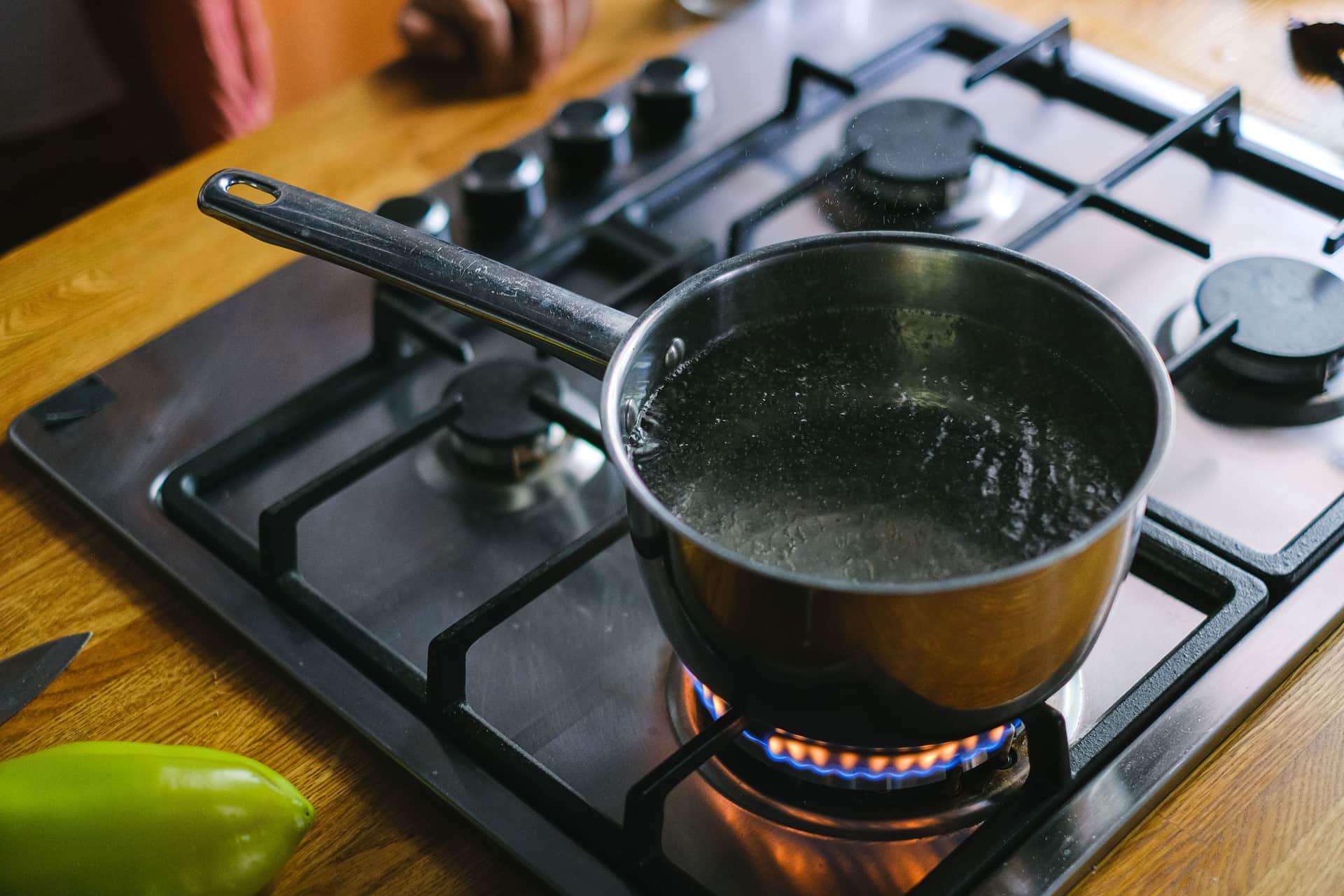
Photo for illustration, not a photograph of our own unit.
Munchkin Steam Guard Microwave Sterilizer
Munchkin
A plastic box, a splash of water and your microwave. It sterilizes properly and costs a fraction of an electric unit, so start here.
- Speed
- 9
- Evenness
- 8
- Capacity
- 6
- Ease of use
- 7
- Value
- 10
- Method:
- Microwave steam
- Capacity:
- Around four bottles
- Extras:
- None
- Price tier:
- Budget
What works
- Cheapest real sterilizing method after a pan of boiling water
- No counter space used between cycles
- Fast, at a couple of minutes per load
What to know first
- No drying, so parts come out wet
- You need a microwave big enough
- Hot and heavy to lift out
#ad Affiliate link · We show no price until we can verify it live
Photo for illustration, not a photograph of our own unit.
Medela Quick Clean Micro-Steam Bags
Medela
Reusable microwave steam bags that pack flat. The answer to sterilizing pump parts in an office kitchen.
- Speed
- 9
- Evenness
- 7
- Capacity
- 4
- Ease of use
- 8
- Value
- 9
- Method:
- Microwave steam in a reusable bag
- Capacity:
- One pump set, or a few bottle parts
- Extras:
- Reusable for a set number of cycles
- Price tier:
- Budget
What works
- Packs flat in a work bag or suitcase
- Very fast
- Cheap to replace
What to know first
- Limited number of uses per bag
- Small capacity
- Still needs a microwave
#ad Affiliate link · We show no price until we can verify it live
Photo for illustration, not a photograph of our own unit.
Baby Brezza Bottle Sterilizer and Dryer Advanced
Baby Brezza
Sterilizes and dries a full load of bottles plus pump parts in one cycle, which is the only version of this job worth paying for.
- Speed
- 8
- Evenness
- 9
- Capacity
- 10
- Ease of use
- 8
- Value
- 7
- Method:
- Steam sterilize plus filtered dry
- Capacity:
- A day of bottles plus pump parts
- Extras:
- Sterile storage between cycles
- Price tier:
- Premium
What works
- Drying is the part that saves time, because wet parts are the daily annoyance
- Largest capacity in its class, so one cycle covers the day
- Keeps contents sterile between openings
What to know first
- Large, and it lives on the counter
- Premium price
- Needs regular descaling
#ad Affiliate link · We show no price until we can verify it live
Common questions
How often should I clean breast pump parts?
After every single use. That is the CDC's guidance, and it applies to every part that touches milk.
Can I just rinse pump parts between sessions?
No. Rinsing is the first step, not the whole job. If washing between every session is impractical — at work, for instance — carry extra sets of parts rather than skipping the wash.
Can I put breast pump parts in the dishwasher?
Only if the manufacturer says so, and then in a closed-top basket on the top rack. A hot cycle with heated drying helps kill more germs, per CDC guidance.
Do I need to sterilize pump parts every day?
Before first use, and daily if your baby is under two months old, was born premature, or has a weakened immune system. Otherwise cleaning after every use is the requirement.
Do I need to wash the tubing?
With a closed-system pump and no milk in the tubing, no. If milk gets in, follow the manufacturer's instructions — with some kits the tubing must be replaced.
How do I clean pump parts at work without a sink?
Carry two or three sets of parts and wash them at home, or carry a collapsible basin, brush and travel soap. Microwave steam bags handle the sanitizing step.