Guides
Why won't my baby take a bottle?
Nine times out of ten it is not the bottle. Work through the fixes in order, from free to expensive.
How this page is funded: if you buy through a link here we may earn an Amazon commission, at no extra cost to you. It never changes which product we put first, and we recommend the cheaper option whenever it is the better one. Full disclosure.
The short answer
Before you buy another bottle, change these in order: who is offering it, the time of day, the milk temperature, the position, and the nipple flow rate. Those five are free or nearly free, and between them they account for most refusals. A baby who nurses has learned one specific way of feeding — a wide latch, a flow they control, a particular rhythm — and a bottle that differs too much on any of those gets turned down. The brand is the last variable to change, not the first.
Work through these in order
1. Who is offering it
If the nursing parent is holding the bottle, or even in the room, the baby knows a familiar and preferred option is available. Having someone else offer it, with the nursing parent out of the house if necessary, is the single most effective change and it costs nothing.
This is also why "my baby won't take a bottle from dad" is often the opposite problem from what it looks like: the baby will frequently take a bottle from a partner precisely because that person is not the alternative.
2. Timing
Slightly hungry, not desperate. A ravenous baby has no patience for something unfamiliar, and a full one has no motivation. Also try a different time of day entirely — plenty of babies accept a bottle mid-morning and refuse it in the evening.
3. Milk temperature
Body temperature is the usual starting point, because it is closest to nursing. Some babies prefer it slightly cooler, and a few — especially when teething — prefer it noticeably cooler. Test on the inside of your wrist and never use a microwave; see how to warm breast milk.
4. Position
Do not recreate the nursing position — it sets an expectation the bottle cannot meet. Try upright and facing outwards, on a lap, or while walking around. Motion settles some babies enough to accept the bottle.
5. Nipple flow rate
This is the most commonly missed one. Too fast, and milk floods in without the baby working for it, so they cough, clamp down or turn away — which reads as refusal. Almost always start with the slowest nipple that brand makes, and note that numbering is inconsistent between brands. See bottle nipple flow sizes.
6. Technique
Touch the nipple to the lips and wait for them to open, rather than pushing it in. Then use paced feeding: upright baby, bottle close to horizontal, pauses built in. Full method in paced bottle feeding.
7. The bottle itself — last
If the first six have failed across several attempts, then change the bottle. What to try: a wider, softer, more breast-like nipple. The Comotomo is the usual next step, and the Mimijumi is the expensive last resort that works on some determined refusers. Both are in best bottles for breastfed babies.
If the refusal is sudden
A baby who took bottles happily and has suddenly stopped is a different problem from one who never started. Common explanations worth considering:
- Teething. Sucking hurts. Cooler milk sometimes helps.
- A cold or blocked nose. Feeding and breathing at the same time becomes hard.
- A worn or wrong-flow nipple. Nipples degrade; a stretched one can flow much faster than it did.
- An ear infection. Sucking changes pressure and can be painful.
- A gap in practice. A baby who has not had a bottle for three weeks may simply have forgotten.
The first four of those are worth mentioning to your pediatrician if they persist, particularly if your baby seems unwell or is feeding less overall.
What not to do
- Do not force it. Pushing a bottle on a distressed baby teaches aversion, and undoing that takes far longer than waiting a day.
- Do not starve them into it. Skipping feeds to increase motivation is not a technique, and a hungry baby is less receptive, not more.
- Do not buy five brands at once. You will not know which variable changed. One thing at a time.
- Do not widen the nipple hole. It is unsafe: you cannot control the resulting flow rate, and a flooded baby can aspirate.
Worth saying plainly
A baby who is refusing all feeds, feeding much less than usual, has fewer wet diapers, or is not gaining weight needs a pediatrician the same day. Persistent bottle refusal, as opposed to a few failed attempts, is also worth a lactation consultant's assessment — causes like a tongue tie, reflux or an oral-motor issue are real and are not solved by shopping. We review gear; we cannot diagnose a feeding problem.
What we would buy
Now that the decision is made, these are the products we would actually put in the basket, and why.

Photo for illustration, not a photograph of our own unit.
Comotomo Natural Feel Baby Bottle
Comotomo
The bottle babies take when they have refused everything else: a soft squeezable silicone body and a wide, breast-shaped nipple.
- Latch
- 10
- Colic control
- 7
- Cleaning
- 9
- Durability
- 7
- Value
- 7
- Material:
- Silicone body, silicone nipple
- Parts to wash:
- Three
- Nipple shape:
- Wide, breast-like
- Price tier:
- Mid-range
What works
- The most widely recommended bottle for bottle-refusing breastfed babies
- Only three parts, and the wide mouth washes by hand easily
- Soft body is easy for small hands to hold later on
What to know first
- Squat shape does not fit every bottle warmer or sterilizer rack
- No internal venting system, so it is not the anti-colic specialist
- Nipples wear faster than hard plastic ones
#ad Affiliate link · We show no price until we can verify it live
Photo for illustration, not a photograph of our own unit.
Mimijumi Very Hungry Bottle
Mimijumi
Expensive, odd-looking, and the bottle parents buy when nothing else has worked. Its skin-textured nipple wins over some determined refusers.
- Latch
- 9
- Colic control
- 7
- Cleaning
- 8
- Durability
- 8
- Value
- 4
- Material:
- Polypropylene body, silicone nipple
- Parts to wash:
- Three
- Nipple shape:
- Very wide, textured
- Price tier:
- Premium
What works
- Unusually breast-like nipple texture and width
- Frequently the bottle that finally works after several failures
- Solid build
What to know first
- Expensive per bottle
- Very wide base fits almost no warmers
- Hard to find in stores
#ad Affiliate link · We show no price until we can verify it live
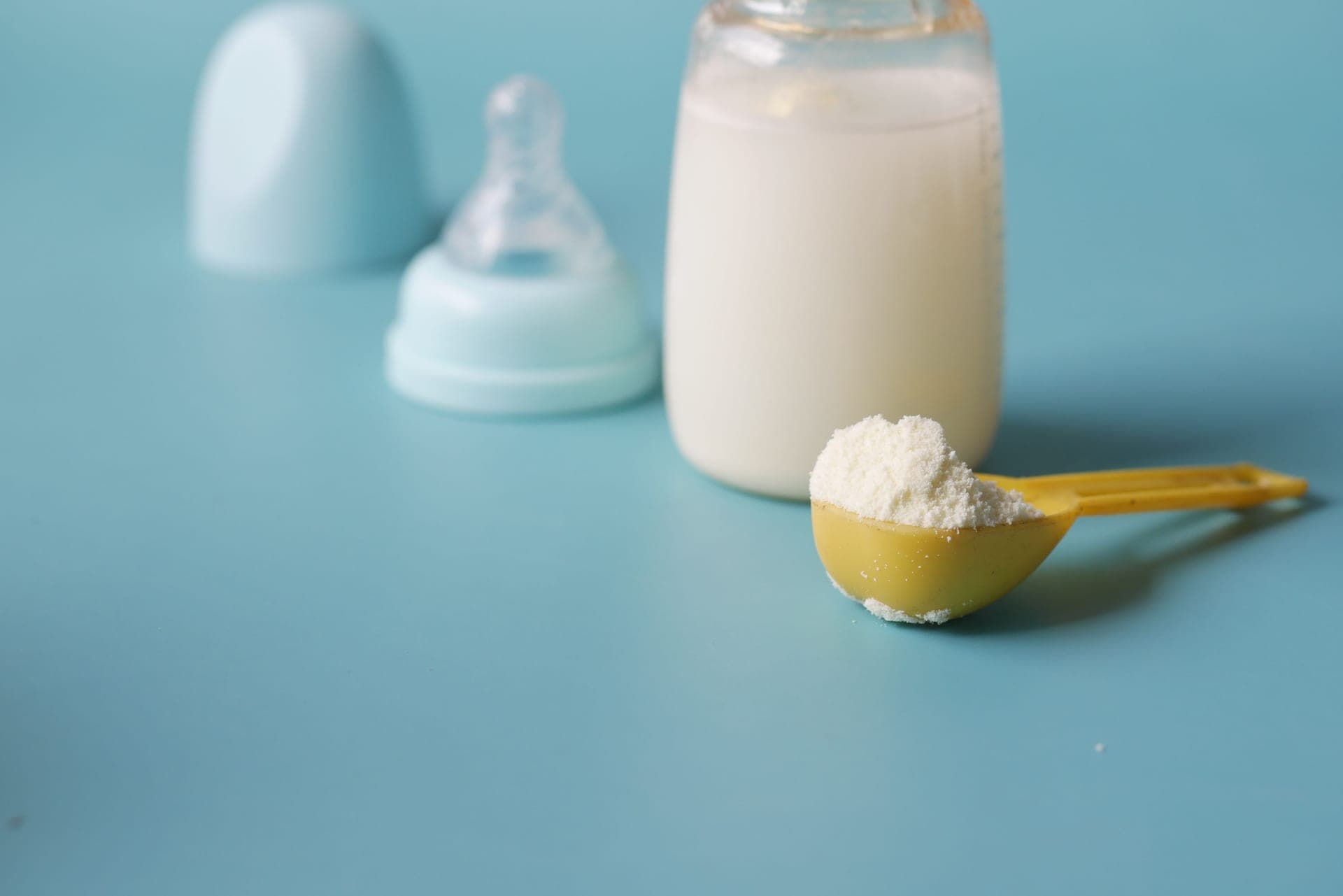
Photo for illustration, not a photograph of our own unit.
Philips Avent Natural Response
Philips Avent
The safest default buy: a wide nipple that only releases milk when the baby actively drinks, inside the biggest parts ecosystem on the shelf.
- Latch
- 9
- Colic control
- 8
- Cleaning
- 9
- Durability
- 9
- Value
- 9
- Material:
- Polypropylene, glass and PPSU versions
- Parts to wash:
- Three
- Nipple shape:
- Wide
- Price tier:
- Mid-range
What works
- Flow-on-demand nipple paces the feed more like nursing
- Bottles, nipples, sippy tops and pump parts all interchange
- Available in plastic, glass and PPSU with the same nipples
What to know first
- Venting is milder than Dr. Brown's for a severely windy baby
- Nipple flow numbering confuses first-time buyers
- Wide base does not fit narrow warmer wells
#ad Affiliate link · We show no price until we can verify it live
Common questions
Why won't my baby take a bottle from me but will from someone else?
Because you are the better offer. A baby who can smell familiar milk nearby has little reason to accept a substitute. It is a good sign, not a problem: use it.
Why won't my baby take a bottle all of a sudden?
Teething, a cold, an ear infection, a worn nipple flowing too fast, or simply a long gap without practice. If your baby seems unwell or is feeding less overall, call your pediatrician.
Which bottle is best for a baby who refuses bottles?
The Comotomo most often, on nipple width and softness. The Mimijumi is the expensive last resort. Change the free variables first — the bottle is rarely the actual cause.
Should I let my baby get very hungry so they take the bottle?
No. A desperate baby is less receptive to something unfamiliar, not more. Slightly hungry is the window.
How long should I keep trying in one sitting?
A few minutes. If it has become a fight, stop and try at the next feed or the next day. Repeated calm attempts beat one long distressing one.
Can I use a cup instead?
For an older baby, an open or sippy cup is a genuine alternative worth discussing with your pediatrician, particularly if a return to work is the deadline and the bottle is not happening.