Guides
Paced bottle feeding, step by step
The one technique worth learning properly. It costs nothing, reduces wind, and makes combination feeding far easier.
How this page is funded: if you buy through a link here we may earn an Amazon commission, at no extra cost to you. It never changes which product we put first, and we recommend the cheaper option whenever it is the better one. Full disclosure.
The short answer
Hold your baby upright, keep the bottle close to horizontal with just the nipple full, let them draw the nipple in rather than pushing it, and pause every few minutes by tipping the bottle down. A feed should take roughly as long as nursing does — commonly fifteen to twenty minutes — not five. That is the whole technique. It reduces gulping and swallowed air, it stops a baby being overfed by gravity, and it makes moving between breast and bottle noticeably easier.
Why pacing matters
A bottle held steeply lets gravity do the work. Milk flows whether or not the baby is asking for it, so they swallow continuously to keep up, take in air along the way, and finish a feed in five minutes without ever having controlled it. That produces wind, spitting up, and sometimes a baby who seems to take far more than they need.
Nursing does not work that way: the baby starts and stops the flow. Paced feeding recreates that with a bottle. The practical payoffs are less wind, a feed that matches the baby's appetite rather than the bottle's angle, and an easier time going back and forth between breast and bottle.
The method
- Sit the baby upright, supported, head above their stomach. Not lying flat on their back — flat feeding is how milk ends up pooling and flowing without them asking.
- Hold the bottle close to horizontal, with just enough tilt to keep the nipple full of milk and not air.
- Touch the nipple to their lips and wait. Let them open and draw it in, as they would at the breast. Do not push it into the mouth.
- Let them suck a few times, then pause by tipping the bottle down slightly so milk leaves the nipple, without removing it. Every twenty to thirty sucks, or every minute or two.
- Watch for their cues to continue. Rooting and sucking means carry on. Turning away, relaxing the hands or slowing right down means they may be done.
- Switch sides partway through, which is optional but mimics nursing and gives both of you a break.
- Stop when they show they are finished, even if there is milk left. A bottle is not a target to be emptied. Leftover milk from a feed should be used within two hours, per CDC storage guidance.
How long a paced feed should take
Roughly as long as a nursing session: commonly fifteen to twenty minutes. If a bottle is disappearing in five, the flow is too fast or the bottle is too steep. If it is taking forty and your baby is visibly working, the flow may be too slow — see bottle nipple flow sizes.
Pacing and flow rate work together. Pacing cannot compensate for a nipple that floods, and a slow nipple does not make pacing unnecessary.
What paced feeding helps with
- Wind and spitting up. Less air swallowed. It often does more than an anti-colic bottle — see our anti-colic round-up, which says the same thing.
- Combination feeding. A baby who controls the bottle is less likely to develop a strong preference for the faster option.
- Overfeeding. The baby stops when they are full rather than when the bottle is empty.
- Bottle refusal. Letting a baby take the nipple rather than having it pushed in often turns a refusal around, which is why it appears in why won't my baby take a bottle?
Make sure everyone feeding the baby knows it
This is the practical failure point. A grandparent or a childcare provider feeding a baby the way they always have will undo the benefit in one session, and it is not their fault if nobody explained it. Show them once, and mention the two rules that matter most: upright baby, near-horizontal bottle.
Worth saying plainly
Never prop a bottle or leave a baby feeding unattended: it is a choking risk and it removes all pacing. Never feed a baby lying flat on their back. And a baby who coughs, chokes or splutters at most feeds even with a slow flow and paced technique should be seen by a pediatrician.
What we would buy
Now that the decision is made, these are the products we would actually put in the basket, and why.
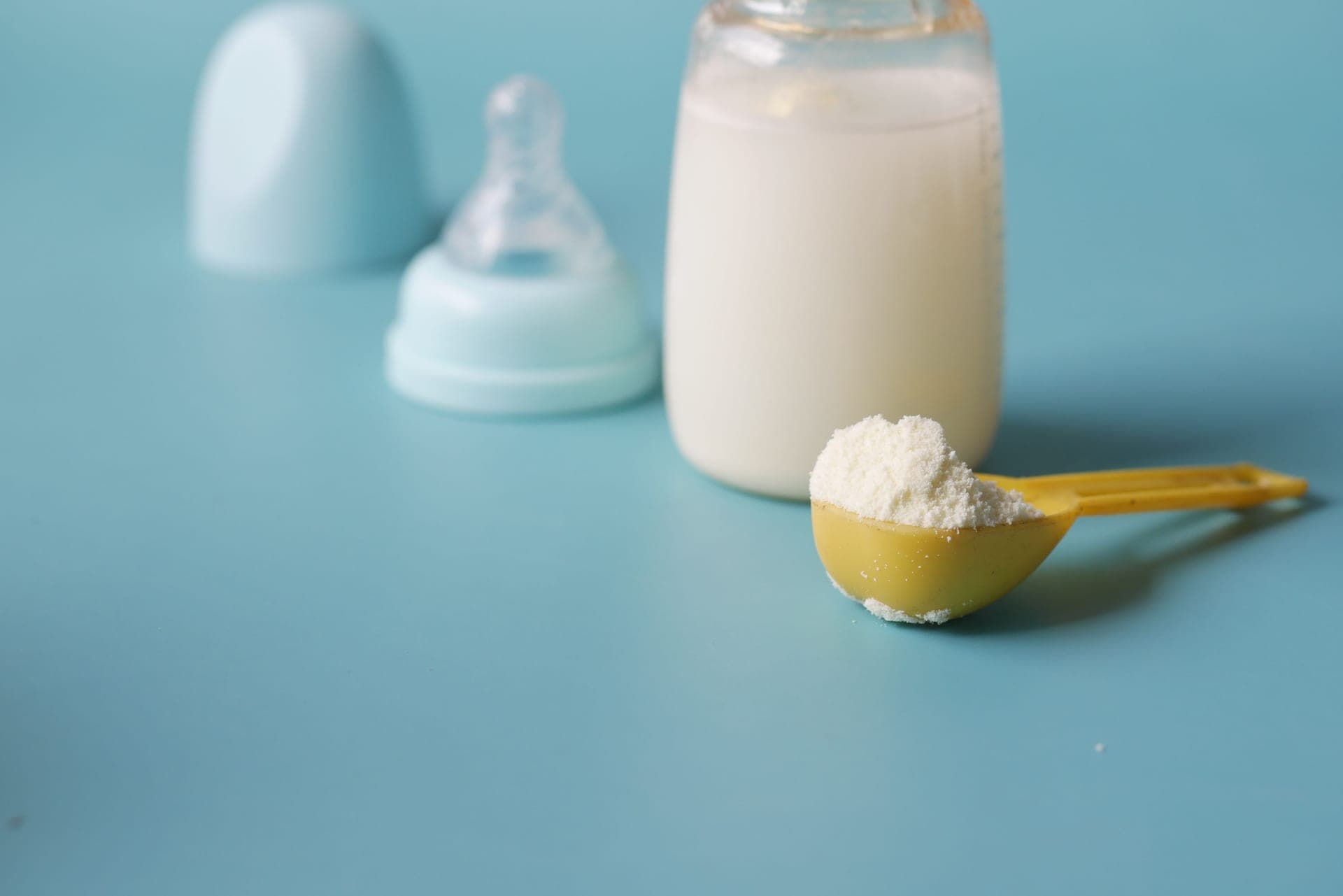
Photo for illustration, not a photograph of our own unit.
Philips Avent Natural Response
Philips Avent
The safest default buy: a wide nipple that only releases milk when the baby actively drinks, inside the biggest parts ecosystem on the shelf.
- Latch
- 9
- Colic control
- 8
- Cleaning
- 9
- Durability
- 9
- Value
- 9
- Material:
- Polypropylene, glass and PPSU versions
- Parts to wash:
- Three
- Nipple shape:
- Wide
- Price tier:
- Mid-range
What works
- Flow-on-demand nipple paces the feed more like nursing
- Bottles, nipples, sippy tops and pump parts all interchange
- Available in plastic, glass and PPSU with the same nipples
What to know first
- Venting is milder than Dr. Brown's for a severely windy baby
- Nipple flow numbering confuses first-time buyers
- Wide base does not fit narrow warmer wells
#ad Affiliate link · We show no price until we can verify it live

Photo for illustration, not a photograph of our own unit.
Comotomo Natural Feel Baby Bottle
Comotomo
The bottle babies take when they have refused everything else: a soft squeezable silicone body and a wide, breast-shaped nipple.
- Latch
- 10
- Colic control
- 7
- Cleaning
- 9
- Durability
- 7
- Value
- 7
- Material:
- Silicone body, silicone nipple
- Parts to wash:
- Three
- Nipple shape:
- Wide, breast-like
- Price tier:
- Mid-range
What works
- The most widely recommended bottle for bottle-refusing breastfed babies
- Only three parts, and the wide mouth washes by hand easily
- Soft body is easy for small hands to hold later on
What to know first
- Squat shape does not fit every bottle warmer or sterilizer rack
- No internal venting system, so it is not the anti-colic specialist
- Nipples wear faster than hard plastic ones
#ad Affiliate link · We show no price until we can verify it live
Common questions
What is paced bottle feeding?
Feeding with the baby upright and the bottle close to horizontal, with deliberate pauses, so the baby controls the pace instead of gravity controlling it.
How long should a paced bottle feed take?
Roughly as long as nursing, commonly fifteen to twenty minutes. Five minutes means the flow is too fast or the bottle is too steep.
Does paced feeding reduce colic?
It reduces swallowed air, which reduces wind. It does not treat colic, which has causes beyond feeding and is a pediatrician matter if your baby is inconsolable for long periods.
Do I need a special bottle for paced feeding?
No. Any bottle works with the technique. A slow nipple flow helps, and a nipple that only releases milk when the baby actively drinks — like the Avent Natural Response — does some of the work for you.
Should I pace feeds with formula too?
Yes. The technique is about how the baby feeds, not what is in the bottle.
Do I have to empty the bottle?
No. Stop when your baby shows they are done. Leftover milk from a feed should be used within two hours per CDC guidance, which is a good reason to make up small amounts.