Guides
Can you warm breast milk in the microwave?
No, and the reason is not the one most people assume. It is hot spots, not radiation. Here is what happens, and the thirty-second alternative.
How this page is funded: if you buy through a link here we may earn an Amazon commission, at no extra cost to you. It never changes which product we put first, and we recommend the cheaper option whenever it is the better one. Full disclosure.
The short answer
No. Do not warm breast milk in a microwave. Microwaves heat unevenly, so the milk can be scalding in one part of the bottle while the outside feels fine on your wrist — which is exactly how a baby's mouth gets burned by milk a parent has already tested. Excessive heat also damages the live components in breast milk that you pumped it to preserve. The CDC's storage and preparation guidance sets out the safe method instead: warm in a container of warm water, or under warm running water. It takes a couple of minutes.
Why not, specifically
The common assumption is that there is something sinister about microwave radiation itself. There is not, and that misunderstanding is unhelpful because it makes the real reason sound like superstition. The actual problems are mundane, physical and worth knowing.
| The problem | What actually happens | Why it matters |
|---|---|---|
| Hot spots | Microwaves heat unevenly, so the milk can be scalding in one part of the bottle and cool in another | A bottle that feels fine on your wrist can still burn a baby's mouth and throat. This is the serious one |
| Loss of what makes breast milk breast milk | Excessive heat damages the live components — the immune factors are the reason you went to the trouble of pumping | You end up with warm milk that has lost part of the benefit you were preserving |
| Pressure in a sealed container | A capped bottle or a sealed storage bag builds pressure and can leak, split or spray | A hot-liquid burn to whoever opens it |
| No usable timing | Wattage, starting temperature and volume all change the result, so there is no safe number of seconds to give you | Any instruction you find online is a guess about your microwave |
The hot-spot problem is the one to take seriously. A microwave heats in an uneven pattern, and milk is not stirred while it heats. You can get a bottle that reads as lukewarm on the outside with a pocket inside well above the temperature a baby's mouth can tolerate. The wrist test — a few drops on the inside of your wrist — works well for a bottle warmed evenly in water, and does not work at all for a bottle warmed unevenly in a microwave. That is the whole risk in one sentence.
What to do instead, in four steps
- Take the milk out of the fridge or thaw it in the fridge. Frozen milk should be thawed in the fridge overnight, in a container of warm water, or under cool running water — never left on the counter and never microwaved.
- Stand the sealed bottle or bag in a bowl of warm water, or hold it under warm running water. Not boiling water, and not on a stove.
- Swirl it, do not shake it. Swirling mixes the fat that has separated and evens out the temperature. Shaking whips air into it, which comes back as gas.
- Test it on the inside of your wrist. Body temperature or slightly below. Warm, never hot — breast milk straight from the body is not hot either.
The longer version of the method, including warming from frozen and warming away from home, is in how to warm breast milk.
Does it even need warming?
Often not, and this is the cheapest answer to the whole question. Plenty of babies take milk straight from the fridge, and a baby who has never been given warm milk generally has no opinion about it. Cold milk is safe.
There is a practical case for not establishing the habit: a baby who will only take milk at one exact temperature is harder to feed in a car, at a friend's house, or by anyone other than you. If you are at the start and deciding, that is worth a thought — the full honest version is in do you need a bottle warmer.
What about formula, and what about the microwave for anything else?
Formula: same answer, same reason. The hot-spot problem is a property of the microwave rather than of what is in the bottle, so never microwave a bottle of formula either. If you are mixing powder, using warm water from the tap at the mixing stage removes the need to heat anything afterwards.
Sterilizing in a microwave is a completely different thing, and it is fine. A microwave steam sterilizer works by boiling water to make steam, which sanitizes clean empty bottles and pump parts. There is no milk involved and no hot-spot risk to a baby. Those are covered in best microwave bottle sterilizers. Do not conflate the two: microwave for empty equipment, yes; microwave for milk, no.
If you have already done it
Do not panic, and do not feed it. Pour it into a clean bottle, swirl it thoroughly, and test it properly on your wrist — or discard it and warm fresh milk in water, which is the simpler decision. Milk that has been overheated is not dangerous to handle; the risk is feeding it unevenly hot.
Also worth knowing for the aftermath: once warmed, milk has a short clock on it. Per the CDC, milk that has been warmed or left over from a feed should be used within two hours and not refrigerated again — every storage time is tabulated in how long can breast milk sit out.
Worth saying plainly
Never heat breast milk or formula in a microwave. Never thaw frozen breast milk on the counter or in a microwave. Warm in a container of warm water or under warm running water, swirl rather than shake, and always test on the inside of your wrist before feeding. Storage, thawing and warming guidance is published by the CDC, with further detail in its storage questions and answers. We are not clinicians and nothing here is medical advice.
What we would buy
Now that the decision is made, these are the products we would actually put in the basket, and why.
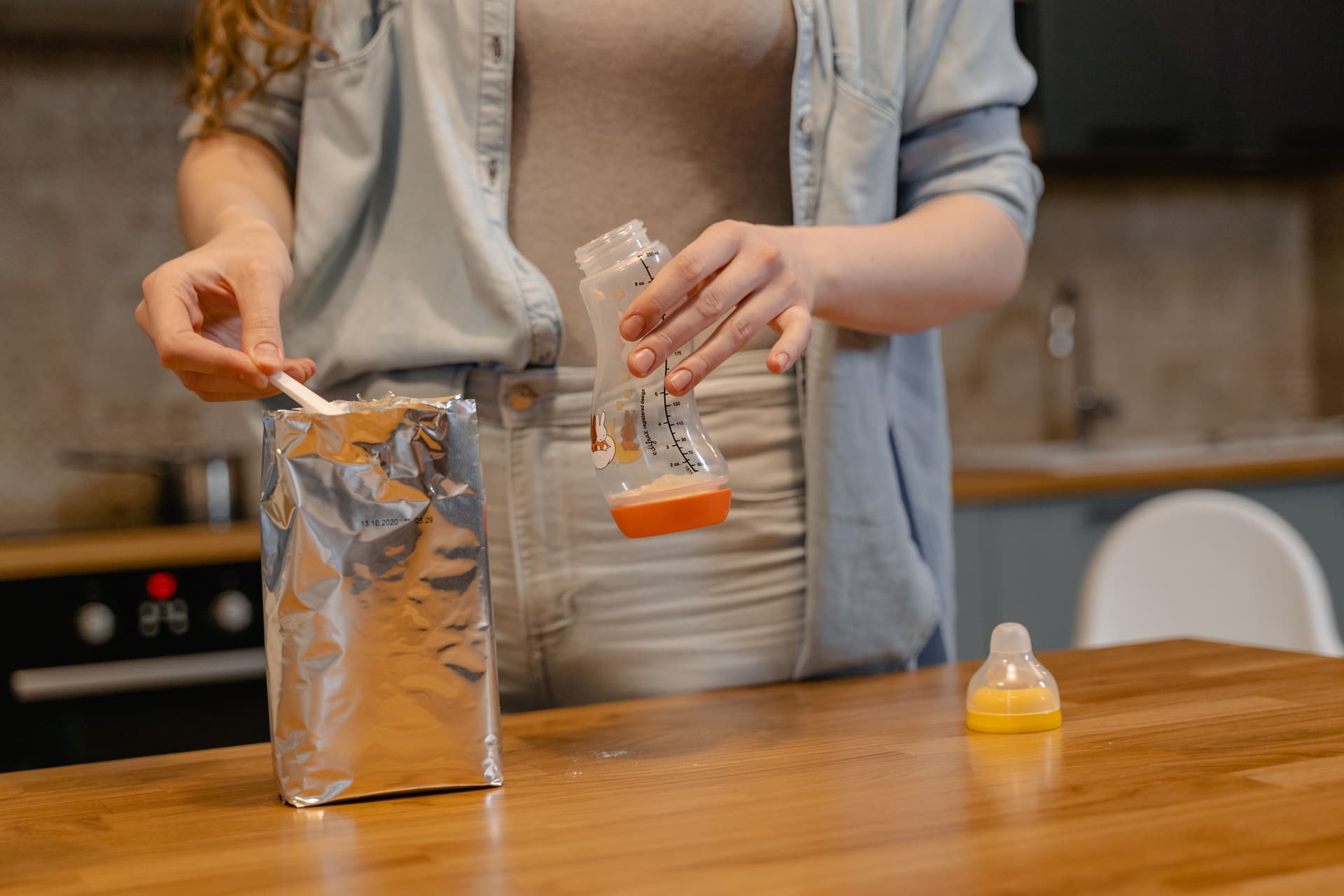
Photo for illustration, not a photograph of our own unit.
Baby Brezza Safe + Smart Bottle Warmer
Baby Brezza
The warmer reviewers keep putting first: steady temperature control, it fits essentially every bottle shape, and it shuts itself off.
- Speed
- 8
- Evenness
- 9
- Capacity
- 8
- Ease of use
- 9
- Value
- 8
- Method:
- Warm water bath with electronic control
- Fits:
- Narrow, wide and squat bottles
- Extras:
- Auto shut-off, keep-warm, app control
- Price tier:
- Mid-range
What works
- Controlled warming rather than blasting steam, which is kinder to milk
- Accepts nearly every bottle shape, including silicone and squat bottles
- Auto shut-off and keep-warm remove the guesswork at 3am
What to know first
- Takes counter space
- The app is unnecessary for most people
- Needs descaling in hard-water areas
#ad Affiliate link · We show no price until we can verify it live
Photo for illustration, not a photograph of our own unit.
Dr. Brown's Deluxe Bottle Warmer
Dr. Brown's
A dial, a steam basket, and nothing to learn. If you want a warmer and not a gadget, this is the one.
- Speed
- 9
- Evenness
- 7
- Capacity
- 7
- Ease of use
- 8
- Value
- 10
- Method:
- Steam
- Fits:
- Narrow and wide bottles
- Extras:
- Timer dial, auto shut-off
- Price tier:
- Budget
What works
- Cheap, simple and very widely owned
- Fits both narrow and wide bottles from most brands
- Fast
What to know first
- Steam warming can overheat milk if you misjudge the dial
- No temperature readout
- Needs the water refilled each cycle
#ad Affiliate link · We show no price until we can verify it live
Photo for illustration, not a photograph of our own unit.
The Baby's Brew Portable Bottle Warmer
The Baby's Brew
A cordless, rechargeable warmer that holds a set temperature. The one that actually solves warming milk in a car or on a plane.
- Speed
- 7
- Evenness
- 9
- Capacity
- 5
- Ease of use
- 8
- Value
- 6
- Method:
- Battery-powered controlled heating
- Fits:
- Most standard bottles, with adapters
- Extras:
- Temperature settings, travel case
- Price tier:
- Premium
What works
- Genuinely cordless, with no car adapter or outlet needed
- Holds a chosen temperature rather than just heating
- Adapters cover most bottle brands
What to know first
- Expensive for a second warmer
- Needs charging before you leave
- One bottle at a time
#ad Affiliate link · We show no price until we can verify it live
Common questions
Can you warm breast milk in the microwave?
No. Microwaves heat unevenly and create hot spots that can scald a baby's mouth even when the bottle feels fine from the outside, and excessive heat damages the live components in breast milk. Warm it in a container of warm water or under warm running water instead, as the CDC sets out.
What happens if you microwave breast milk?
Two things. The milk heats unevenly, so parts of it can be dangerously hot while the bottle feels lukewarm — which defeats the wrist test. And the excessive heat damages the immune components that make expressed milk worth the effort. A sealed bottle or bag can also build pressure and leak hot milk.
How many seconds can you microwave breast milk?
There is no safe number, which is why nobody credible gives one. The result depends on your microwave's wattage, the volume of milk and its starting temperature, and uneven heating means the average temperature tells you nothing about the hottest pocket. Use warm water instead.
Can you microwave formula?
No, for exactly the same reason — the hot-spot problem comes from the microwave, not from what is in the bottle. If you want warm formula, mix it with warm water at the mixing stage so there is nothing to heat afterwards.
Can you thaw frozen breast milk in the microwave?
No. Thaw it in the fridge overnight, in a container of warm water, or under cool running water. Never on the counter and never in a microwave. Once thawed, use it within the window the CDC gives and do not refreeze it.
Is it safe to sterilize bottles in the microwave?
Yes — that is a different thing entirely. A microwave steam sterilizer boils water to make steam, which sanitizes clean, empty bottles and pump parts. There is no milk in it and no hot-spot risk to a baby. Microwave the empty equipment if you like; never microwave the milk.