Warmers & sterilizers
The best microwave bottle sterilizers
No counter footprint, no real cost, done in minutes. The trade-offs are capacity, no drying stage, and a genuinely hot load. Three picks.
How this page is funded: if you buy through a link here we may earn an Amazon commission, at no extra cost to you. It never changes which product we put first, and we recommend the cheaper option whenever it is the better one. Full disclosure.
Buy the Munchkin Steam Guard microwave sterilizer. It is the cheapest way to sanitize a full load of bottles that exists outside a saucepan, it takes minutes rather than the better part of an hour, and when it is not in use it goes in a cupboard instead of living on your counter forever. If what you are sterilizing is mostly pump parts, buy Medela Quick Clean micro-steam bags instead.
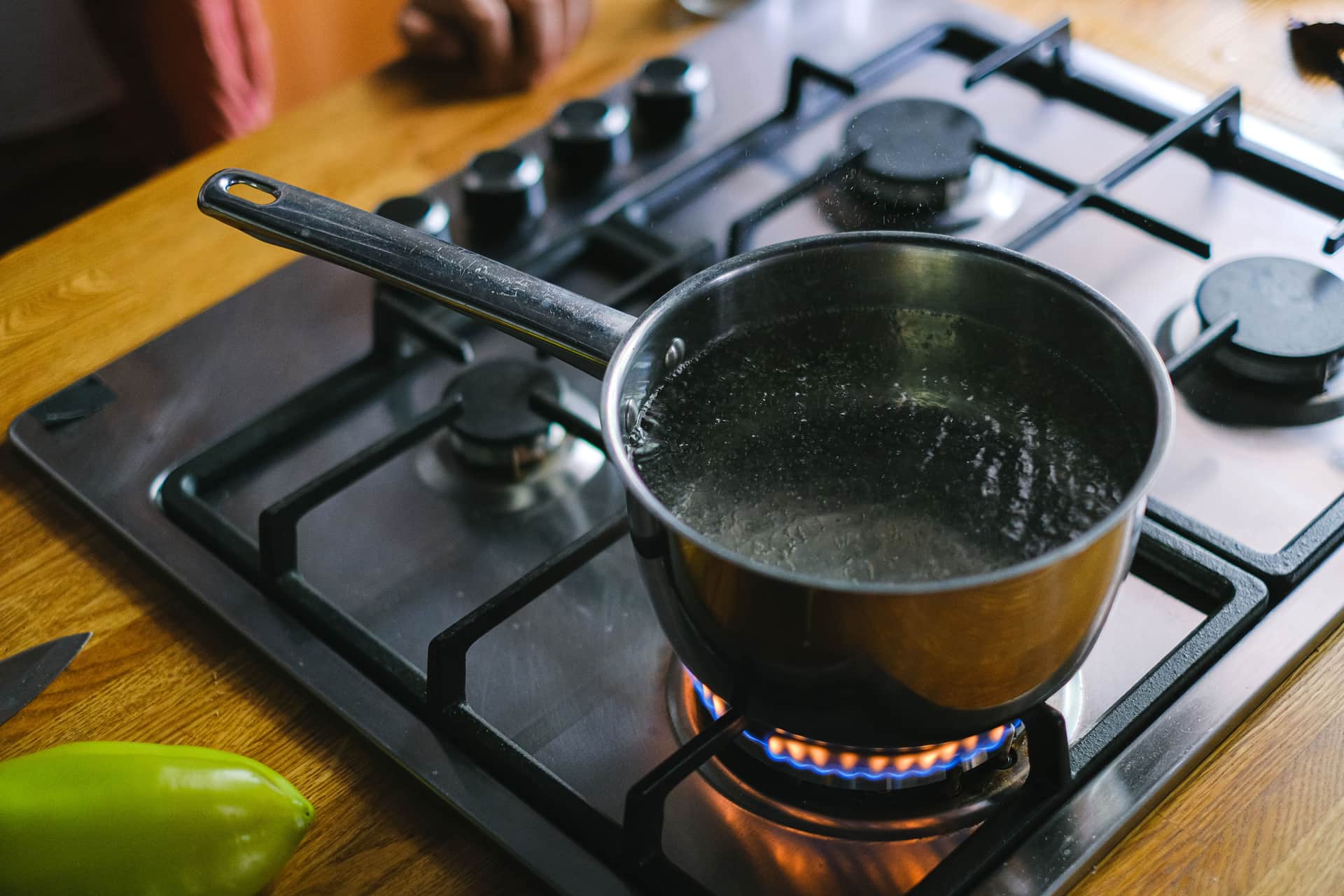
Our pick
Munchkin Steam Guard Microwave Sterilizer
A plastic box, a splash of water and your microwave. It sterilizes properly and costs a fraction of an electric unit, so start here.
The honest caveat up front: a microwave sterilizer does not dry anything. If wet parts are the thing that actually annoys you, that is an argument for an electric sterilize-and-dry unit, not for a cheaper box.
#ad Affiliate link · We show no price until we can verify it live
Who should buy something else
- You mostly sterilize pump parts, or you do it at work. Buy Medela Quick Clean bags. They pack flat and use any microwave.
- You would rather own no extra equipment at all. Buy MAM Easy Start bottles, which self-sterilize in a microwave.
- You have glass bottles. Check they are rated for a microwave first - many are not.
- You own a dishwasher with a sanitize or heated dry cycle. Use it. Per the CDC that needs no separate sterilizing step.
Quick picks
Our ranking, with the reasoning underneath. Tap any row to jump to the full write-up.
| # | Product | Best for | Score | Price |
|---|---|---|---|---|
| 1 | Munchkin Steam Guard Microwave Sterilizer A plastic box, a splash of water and your microwave. It sterilizes properly and costs a fraction of an electric unit, so start here. | Sterilizing cheaply | 8.0 | Check price on Amazon #ad Affiliate link · We show no price until we can verify it live |
| 2 | Medela Quick Clean Micro-Steam Bags Reusable microwave steam bags that pack flat. The answer to sterilizing pump parts in an office kitchen. | Work and travel | 7.6 | Check price on Amazon #ad Affiliate link · We show no price until we can verify it live |
| 3 |  MAM Easy Start Anti-Colic Its base unscrews so the bottle sterilizes itself in a microwave, which is genuinely useful in a hotel room or an office kitchen. | Self-sterilizing | 8.2 | Check price on Amazon #ad Affiliate link · We show no price until we can verify it live |
Scores are our own research scores on the rubric published at how we choose. They are not star ratings from customers, and we do not show a price we cannot verify live.
Every pick, in detail
Photo for illustration, not a photograph of our own unit.
Munchkin Steam Guard Microwave Sterilizer
Munchkin
A plastic box, a splash of water and your microwave. It sterilizes properly and costs a fraction of an electric unit, so start here.
- Speed
- 9
- Evenness
- 8
- Capacity
- 6
- Ease of use
- 7
- Value
- 10
- Method:
- Microwave steam
- Capacity:
- Around four bottles
- Extras:
- None
- Price tier:
- Budget
What works
- Cheapest real sterilizing method after a pan of boiling water
- No counter space used between cycles
- Fast, at a couple of minutes per load
What to know first
- No drying, so parts come out wet
- You need a microwave big enough
- Hot and heavy to lift out
#ad Affiliate link · We show no price until we can verify it live
Photo for illustration, not a photograph of our own unit.
Medela Quick Clean Micro-Steam Bags
Medela
Reusable microwave steam bags that pack flat. The answer to sterilizing pump parts in an office kitchen.
- Speed
- 9
- Evenness
- 7
- Capacity
- 4
- Ease of use
- 8
- Value
- 9
- Method:
- Microwave steam in a reusable bag
- Capacity:
- One pump set, or a few bottle parts
- Extras:
- Reusable for a set number of cycles
- Price tier:
- Budget
What works
- Packs flat in a work bag or suitcase
- Very fast
- Cheap to replace
What to know first
- Limited number of uses per bag
- Small capacity
- Still needs a microwave
#ad Affiliate link · We show no price until we can verify it live
Photo for illustration, not a photograph of our own unit.
MAM Easy Start Anti-Colic
MAM
Its base unscrews so the bottle sterilizes itself in a microwave, which is genuinely useful in a hotel room or an office kitchen.
- Latch
- 8
- Colic control
- 8
- Cleaning
- 8
- Durability
- 8
- Value
- 9
- Material:
- Polypropylene
- Parts to wash:
- Four
- Nipple shape:
- Wide, vented base
- Price tier:
- Mid-range
What works
- Self-sterilizes in a microwave with a splash of water
- Vented base reduces gas without a long internal straw
- The unscrewing base makes scrubbing easy
What to know first
- One more join means one more place to leak
- Four parts, not three
- Nipple is flatter than the wide breast-shaped designs
#ad Affiliate link · We show no price until we can verify it live
How microwave sterilizing actually works
It is steam, not microwaves. You add a measured amount of water, the microwave boils it, and the steam that fills the sealed box or bag is what does the sanitizing — at roughly the temperature of boiling water, which is why it works at all. The microwave is just the heat source.
Three things follow from that, and they explain every strength and weakness of the format. First, the water measurement matters: too little and you do not get a full steam cycle, too much and you get a hot flood when you open it. Second, it is as effective as boiling, which is one of the methods the CDC lists — "Boil for 5 minutes". And third, nothing dries. A steam cycle leaves everything wet by definition, and there is no fan to finish the job.
The three formats, compared
| Format | Best at | Worst at | Counter space when not in use |
|---|---|---|---|
| Rigid microwave box | A full load of bottles at once, and it stacks in a cupboard between uses | Heavy and very hot to lift out when full; takes a whole shelf in the microwave | None, if you have a cupboard |
| Reusable steam bag | Pump parts, travel and work. Packs flat, weighs nothing, uses a shared microwave | Awkward with full-size or glass bottles; a counted number of uses per bag | None at all |
| Self-sterilizing bottle | Needing no extra equipment whatsoever — the bottle is the sterilizer | Only sterilizes its own brand of bottle, a few at a time | None |
| Electric steam unit (for contrast) | Capacity, and a real drying stage | Price, and it lives on the counter forever | A permanent footprint |
| A pan of boiling water (free) | Costing nothing, and it is one of the methods the CDC lists — boil for 5 minutes | You have to stand there, and nothing dries itself | None |
The row people do not expect to find useful is the last one. If you are buying your first sterilizer and you are not sure you need one, a pan of water costs nothing, is CDC-listed, and has no fit problem, no capacity problem and no burn-on-unloading problem beyond ordinary cooking. The full version of that argument is in best bottle sterilizers.
Do you even need to sterilize?
Less often than the boxes imply, and this is the single most useful thing on the page. CDC guidance is to sanitize feeding items daily "for extra germ removal or if your baby: Is less than 2 months old, Was born prematurely, or Has a weakened immune system". Outside those cases, thorough cleaning after every use is the requirement and sanitizing is optional.
Which reframes the purchase. A microwave sterilizer is the right buy precisely because this is a job you may only need daily for a couple of months — spending very little on something that stores in a cupboard is a better match to that than a permanent counter appliance. How often, by age and situation, is in how often to sterilize bottles, and the methods side by side are in how to sterilize baby bottles. When you can stop entirely is in when to stop sterilizing baby bottles.
What to look for
- It fits your microwave. The one specification that voids all the others. Measure the turntable and the internal height, and remember the box has to go in and come out without tipping.
- A clear water fill line. Guessing the water is how you get an incomplete cycle or a scald.
- Latches and a handle designed for a hot lift. This is the real safety feature. A loaded box is heavy, full of boiling water, and you are carrying it one-handed at 3am.
- Stated capacity in the bottles you own. "Four bottles" assumes a particular shape. Wide-neck and glass bottles reduce the real number.
- A basket for small parts. Nipples, valves and rings move during a cycle and nest together, and nested parts have unsterilized contact patches.
- For bags: a stated number of reuses, and a way to track them. Most have tick-boxes printed on the bag. Use them — counting is the whole quality control.
The drying problem, and the free fix
Everything comes out wet, and this is where most people go wrong straight after buying. The instinct is to towel-dry, which undoes the cycle you just ran. CDC guidance is specific: after sanitizing, "place items on a clean, unused dish towel or paper towel in an area protected from dirt and dust. Allow to air-dry thoroughly before storing."
So the free fix is a clean, unused towel and a bit of patience, and the paid fix is an electric unit with a filtered-air dryer. If wet valves are your actual complaint — which is common if you are sterilizing pump parts rather than bottles — the dryer is worth the money and the microwave box is not the answer. That comparison is in best sterilizers for breast pump parts.
Worth saying plainly
A loaded microwave sterilizer contains boiling water and steam. Let it stand for the time the maker states before opening, open it away from your face, and never let a child near it on the way out of the microwave. Only sterilize items the manufacturer states are microwave safe — many glass bottles are not, and nothing metal or electrical ever is. Follow CDC guidance for cleaning, sanitizing frequency, drying and storage, and CDC pump hygiene guidance for pump parts. Never use a microwave to warm a bottle of milk or formula — that is a different and genuinely unsafe use of the same appliance. We are not clinicians; questions about a premature or immunocompromised baby belong with your pediatrician.
How we chose
Researched, not hands-on. Cycle times, stated capacities, water volumes and reuse counts come from the makers' own packaging and specification pages. Sanitizing methods, frequency and post-cycle drying come from CDC guidance, with pump-specific hygiene from the CDC's pump page. Independent hands-on testing of the wider sterilizer category comes from Consumer Reports and Babylist. On this page cost, storage footprint and safe unloading are weighted heaviest, and drying is weighted as the known gap in the format rather than scored against each unit. Rubric: how we choose.
Common questions
What is the best microwave bottle sterilizer?
The Munchkin Steam Guard, for most people: a full load of bottles, a few minutes, and it stores in a cupboard rather than living on the counter. If you are mostly sterilizing pump parts or doing it at work, Medela Quick Clean micro-steam bags are the better format because they pack flat.
Are microwave sterilizers as good as electric ones?
At sanitizing, yes — both work by steam at roughly the temperature of boiling water, and boiling is itself a CDC-listed method. The difference is everything around it: electric units hold more and, crucially, dry. If wet parts are your real complaint, the electric unit is worth the money.
How long do you microwave a bottle sterilizer for?
Follow the time printed on your unit, because it depends on your microwave's wattage as well as the box — typically a few minutes, plus a stated standing time before you open it. Do not shorten the standing time: that is when the steam is still doing the work, and opening early is how people get burned.
Can you put glass bottles in a microwave sterilizer?
Only if the bottle itself is rated microwave safe, and not all glass baby bottles are. There is also a practical problem: a box full of glass is heavy and very hot to lift out. For glass, either a pan of boiling water or an electric unit is the better route — see best sterilizers for glass bottles.
Do microwave steam bags really get clean enough?
Yes, within their stated number of uses — they generate the same steam in a smaller volume. The thing to actually do is count the cycles using the tick-boxes printed on the bag, because the reuse limit is the quality control and nobody remembers an uncounted number.
Can I use a microwave sterilizer to warm a bottle?
No, and never warm milk or formula in a microwave at all. Microwaves heat unevenly and create hot spots that can scald a baby's mouth even when the bottle feels fine. Warm a bottle in warm water instead — how to warm breast milk has the method.