Guides
What do I need for bottle feeding?
The full list, ordered by how much you actually need each thing, with the optional extras clearly marked as optional.
How this page is funded: if you buy through a link here we may earn an Amazon commission, at no extra cost to you. It never changes which product we put first, and we recommend the cheaper option whenever it is the better one. Full disclosure.
The short answer
Essential: bottles with the right nipple flow, a bottle brush, a dedicated wash basin, and a way to sanitize. Nice to have: a warmer, a drying rack, an insulated bag. Skip: almost everything else until you know you need it. If you are bottle-feeding formula, add the formula itself and a source of safe water per the manufacturer's instructions. If you are bottle-feeding expressed milk, add storage bags and a marker.
The essentials
Bottles, and the right nipple
Start with two of one brand, small size, slowest nipple flow. Buy more once you know your baby takes it. The nipple matters more than the bottle, and flow rate matters more than both — a flow that is too fast is the most common cause of a feed that looks like refusal. See bottle nipple flow sizes and our bottle ranking.
A bottle brush with a nipple brush
Cheap, and the thing you will use most. Nipples need their own small brush, because a bottle brush does not reach inside them properly.
A dedicated wash basin
Use a basin reserved for feeding items rather than washing directly in the sink — that is explicit in CDC guidance on cleaning infant feeding items, because sinks and drains harbour germs. It costs a few dollars and it is the single best-value item on this list.
A way to sanitize
A microwave steam sterilizer, or a dishwasher with a hot wash and heated drying cycle, or a pan of boiling water. You need one of these for before-first-use, and daily while your baby is under two months old, was born premature, or has a weakened immune system. Details in how often to sterilize bottles.
Somewhere clean to dry
A clean, unused dish towel or paper towel, per CDC guidance — not a used tea towel. A drying rack is convenient and not essential.
If you are feeding formula
Add the formula, and read the preparation instructions on the tin rather than a method from a forum: preparation temperatures and water requirements differ by product and are set by the manufacturer for a reason. A kettle, a way to cool bottles, and a measuring scoop that stays with the tin.
Do not prepare bottles far in advance "to save time". Make them when you need them, and follow the manufacturer's guidance on how long a made-up bottle can be kept.
If you are feeding expressed milk
Add storage bags or bottles, a marker for dates, and an insulated bag with ice packs if you are transporting milk. Store in small amounts so you are not discarding a large bag after a small feed.
The storage limits, from CDC guidance: up to four hours at room temperature, up to four days in the fridge, best quality within six months frozen and up to twelve. Thawed milk keeps a day in the fridge, never refreeze it, and use leftover milk from a feed within two hours. Print the table and put it on the fridge.
Nice to have, honestly assessed
- A bottle warmer. Only if your baby objects to cool milk, or you reheat stored milk often. A jug of warm water is free. See do you need a bottle warmer?
- An insulated bag. Genuinely useful the first time you are out for more than two hours.
- A drying rack. Convenient, takes counter space, not essential.
- Extra nipples in the next flow up. Cheap, and it means you can test a flow change the moment feeds start taking too long.
- A second set of everything for a diaper bag. Saves repacking every time.
Things you do not need
A bottle washer, unless you are exclusively pumping or have twins — see who actually needs one. A formula preparation machine, which is a convenience rather than a necessity. A UV sterilizer, when steam is the better-established method. Twelve bottles bought before your baby has taken one.
The free thing that matters most
Paced bottle feeding: baby upright, bottle close to horizontal, pauses built in, letting them set the rhythm. It reduces gulping and wind, makes switching between breast and bottle easier, and costs nothing. It is more useful than any purchase on this page.
Worth saying plainly
Never microwave milk or formula. Test temperature on the inside of your wrist. And if your baby is refusing feeds, feeding much less than usual, or not gaining weight, that is a call to your pediatrician rather than a gear problem.
What we would buy
Now that the decision is made, these are the products we would actually put in the basket, and why.
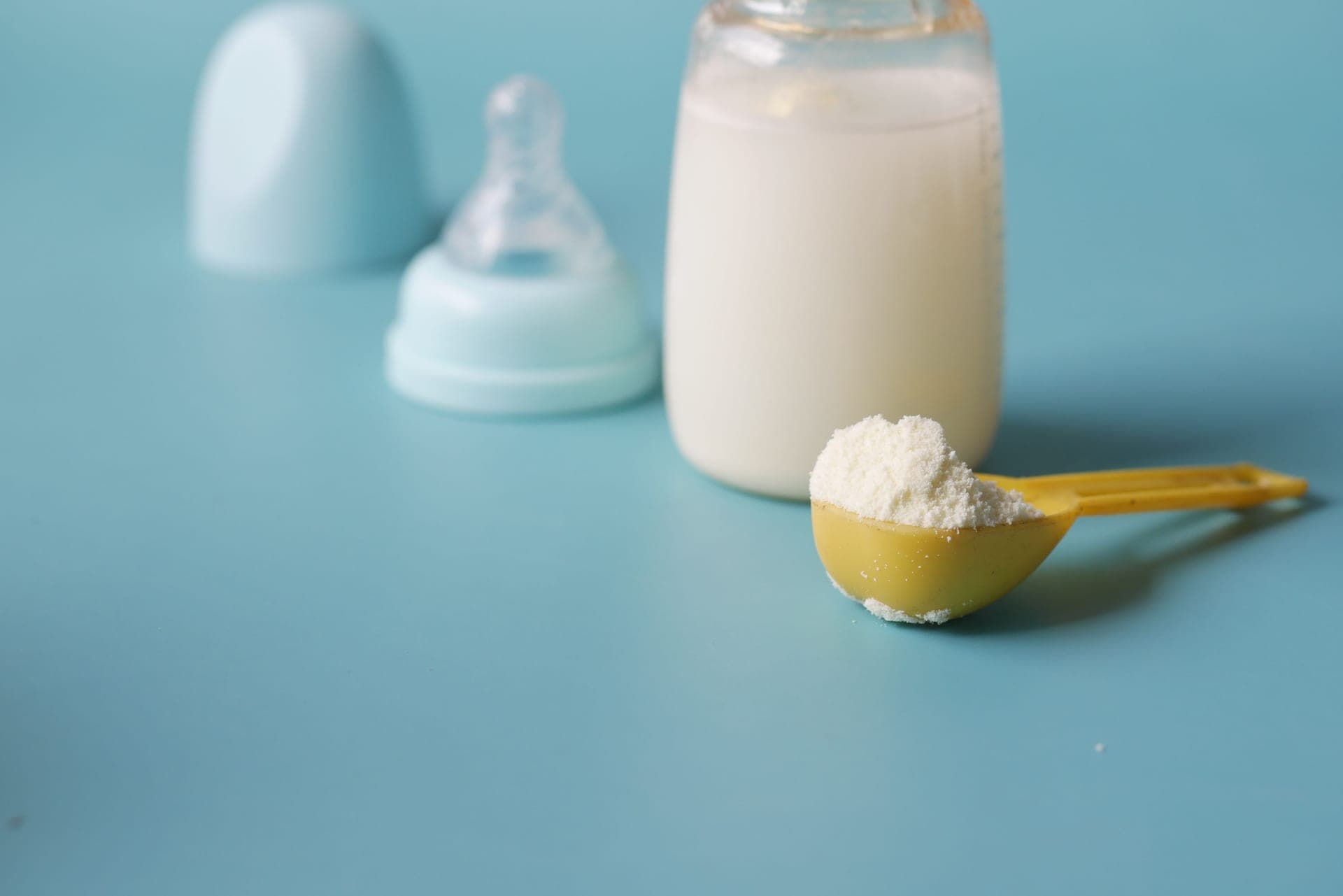
Photo for illustration, not a photograph of our own unit.
Philips Avent Natural Response
Philips Avent
The safest default buy: a wide nipple that only releases milk when the baby actively drinks, inside the biggest parts ecosystem on the shelf.
- Latch
- 9
- Colic control
- 8
- Cleaning
- 9
- Durability
- 9
- Value
- 9
- Material:
- Polypropylene, glass and PPSU versions
- Parts to wash:
- Three
- Nipple shape:
- Wide
- Price tier:
- Mid-range
What works
- Flow-on-demand nipple paces the feed more like nursing
- Bottles, nipples, sippy tops and pump parts all interchange
- Available in plastic, glass and PPSU with the same nipples
What to know first
- Venting is milder than Dr. Brown's for a severely windy baby
- Nipple flow numbering confuses first-time buyers
- Wide base does not fit narrow warmer wells
#ad Affiliate link · We show no price until we can verify it live
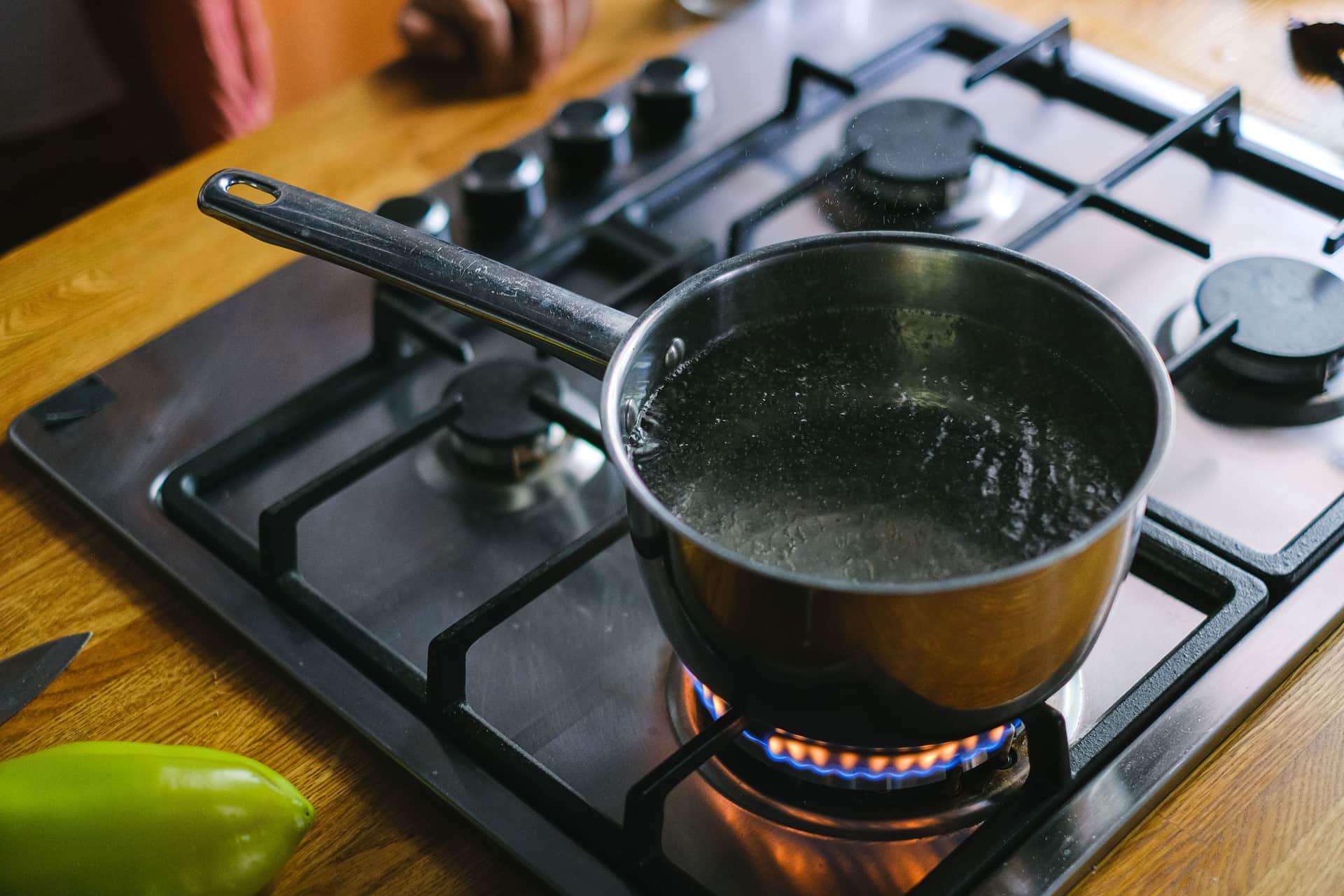
Photo for illustration, not a photograph of our own unit.
Munchkin Steam Guard Microwave Sterilizer
Munchkin
A plastic box, a splash of water and your microwave. It sterilizes properly and costs a fraction of an electric unit, so start here.
- Speed
- 9
- Evenness
- 8
- Capacity
- 6
- Ease of use
- 7
- Value
- 10
- Method:
- Microwave steam
- Capacity:
- Around four bottles
- Extras:
- None
- Price tier:
- Budget
What works
- Cheapest real sterilizing method after a pan of boiling water
- No counter space used between cycles
- Fast, at a couple of minutes per load
What to know first
- No drying, so parts come out wet
- You need a microwave big enough
- Hot and heavy to lift out
#ad Affiliate link · We show no price until we can verify it live
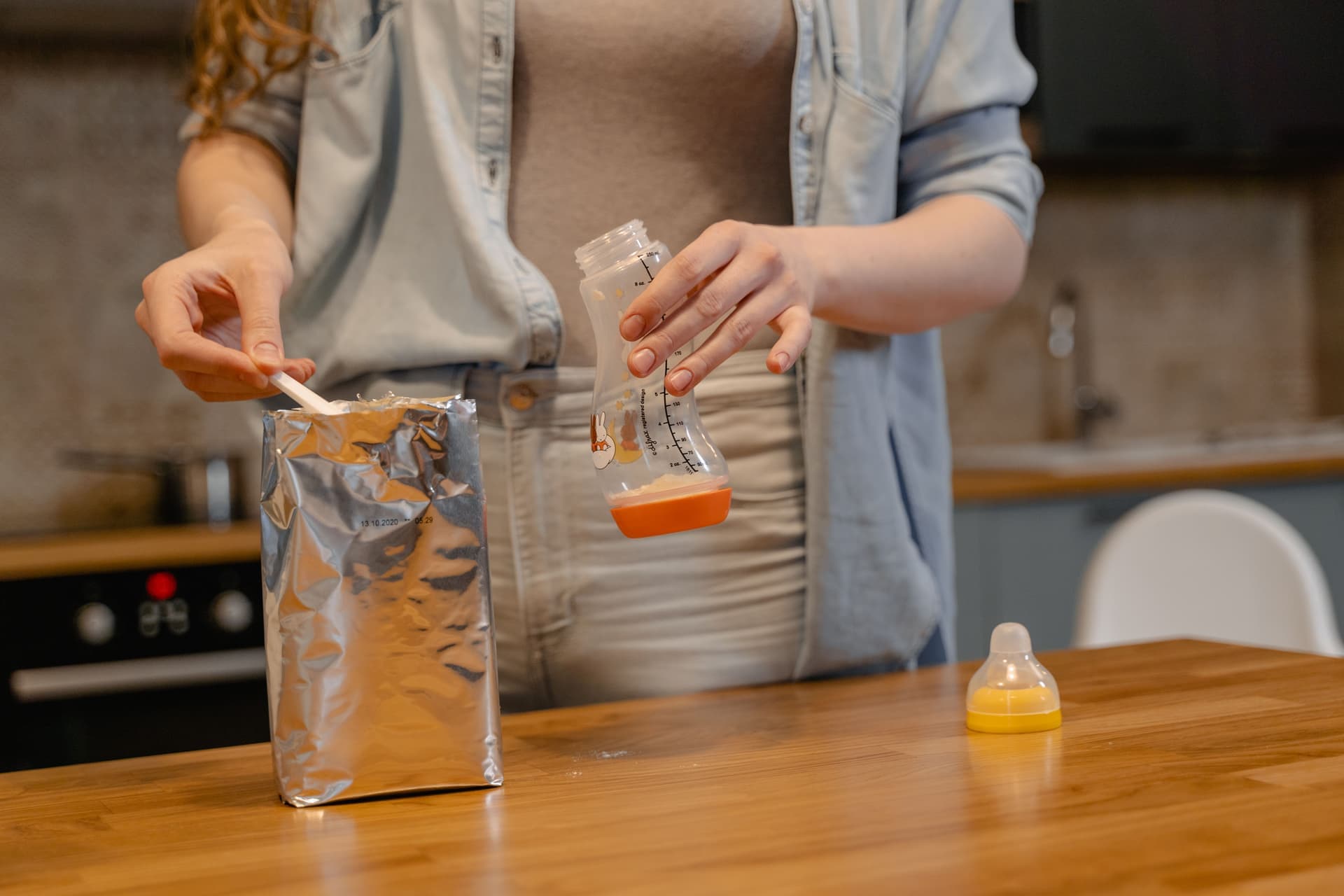
Photo for illustration, not a photograph of our own unit.
Dr. Brown's Deluxe Bottle Warmer
Dr. Brown's
A dial, a steam basket, and nothing to learn. If you want a warmer and not a gadget, this is the one.
- Speed
- 9
- Evenness
- 7
- Capacity
- 7
- Ease of use
- 8
- Value
- 10
- Method:
- Steam
- Fits:
- Narrow and wide bottles
- Extras:
- Timer dial, auto shut-off
- Price tier:
- Budget
What works
- Cheap, simple and very widely owned
- Fits both narrow and wide bottles from most brands
- Fast
What to know first
- Steam warming can overheat milk if you misjudge the dial
- No temperature readout
- Needs the water refilled each cycle
#ad Affiliate link · We show no price until we can verify it live
Common questions
How many bottles do I need to start bottle feeding?
Two, until you know your baby takes the nipple. Then four for combination feeding, or eight to twelve for exclusive bottle feeding if you want to wash once a day. See how many bottles do I need?
Do I need a special basin to wash bottles?
A basin used only for feeding items, yes — CDC guidance recommends it rather than washing directly in the sink. Any cheap plastic basin works.
What temperature should a bottle be?
Around body temperature, tested with a few drops on the inside of your wrist: it should feel neutral. Many babies are happy with cooler. Never heat in a microwave.
Can I make up bottles in advance?
For formula, follow the manufacturer's instructions, which generally discourage preparing far ahead. For expressed milk, follow CDC storage times, and use leftover milk from a feed within two hours.
What do I need for bottle feeding away from home?
A prepared bottle in an insulated bag with ice packs, or cooled boiled water and measured powder for formula. A flask of hot water if your baby wants milk warm. See portable warmers.