Baby bottles
The best bottles for combination feeding in 2026
Breast and formula side by side is a different problem from either one alone. The bottle has to work for a nursing baby and handle formula wind. These five do.
How this page is funded: if you buy through a link here we may earn an Amazon commission, at no extra cost to you. It never changes which product we put first, and we recommend the cheaper option whenever it is the better one. Full disclosure.
Buy the Philips Avent Natural Response. It is the bottle that makes combination feeding least complicated: a wide nipple a nursing baby usually accepts, a twin-valve vent that copes with formula, only three parts to wash, and one system that scales from a 4oz newborn bottle to a sippy cup without you buying into anything new.
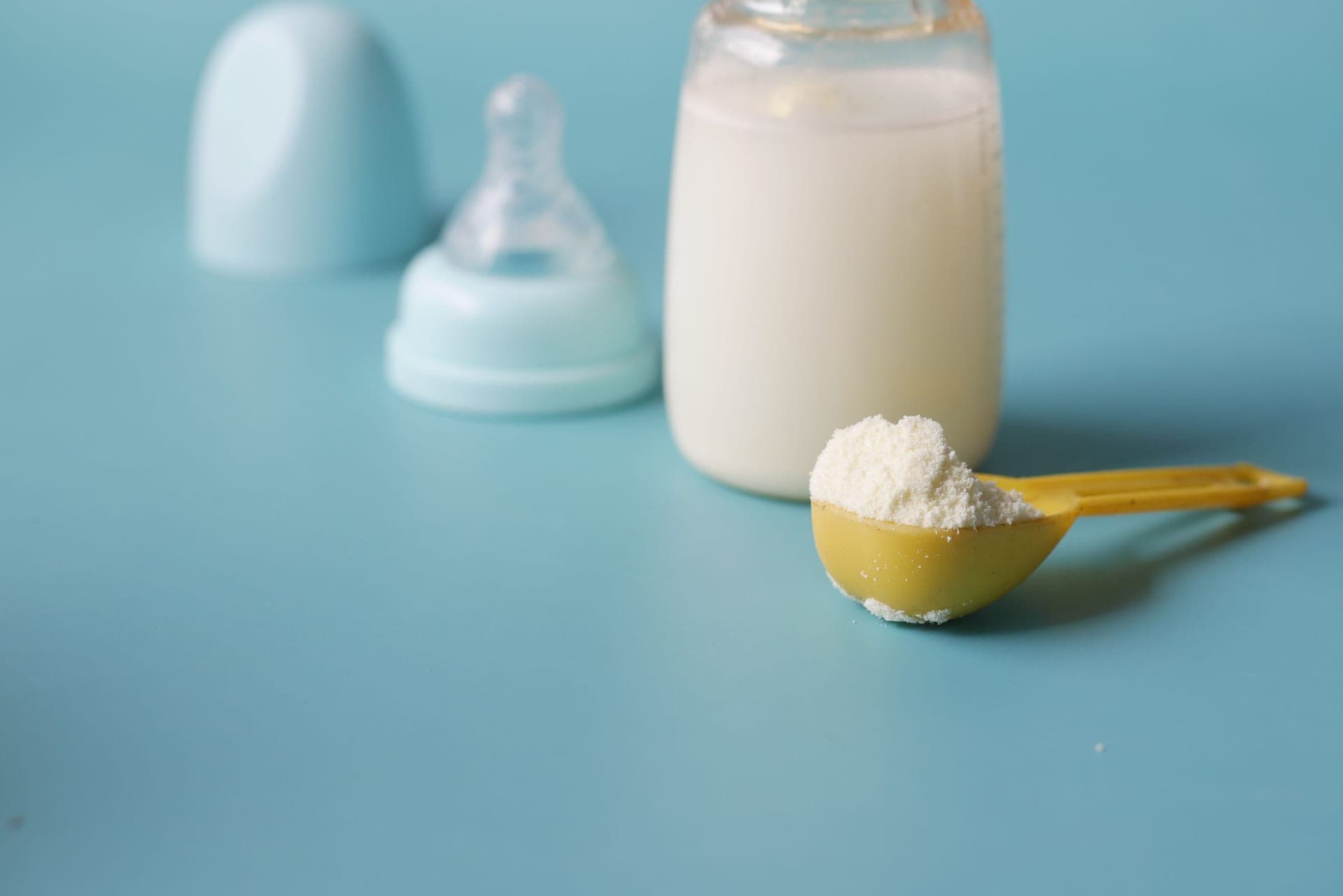
Our pick
Philips Avent Natural Response
The safest default buy: a wide nipple that only releases milk when the baby actively drinks, inside the biggest parts ecosystem on the shelf.
Buy two bottles before you buy six. Which bottle your baby accepts is not predictable, and a combo-feeding household gets through more bottles than a breastfeeding one — so find the winner first, then buy the set.
#ad Affiliate link · We show no price until we can verify it live
Who should buy something else
- Formula is clearly making your baby windy or uncomfortable. Buy the Dr. Brown's Options+ Wide. The most effective vent on the shelf.
- Your baby goes back and forth between breast and bottle every day. Buy the Lansinoh bottle. Its nipple is built around nursing tongue movement.
- Your baby has already turned down two or three bottles. Buy one Comotomo. It works on some determined refusers when nothing else does.
- You want glass or PPSU rather than ordinary plastic. The Pigeon SofTouch in PPSU, or see our glass bottle ranking.
Quick picks
Our ranking, with the reasoning underneath. Tap any row to jump to the full write-up.
| # | Product | Best for | Score | Price |
|---|---|---|---|---|
| 1 | Philips Avent Natural Response The safest default buy: a wide nipple that only releases milk when the baby actively drinks, inside the biggest parts ecosystem on the shelf. | Most babies | 8.9 | Check price on Amazon #ad Affiliate link · We show no price until we can verify it live |
| 2 | Dr. Brown's Natural Flow Options+ Wide-Neck Dr. Brown's venting behind a wide, breast-shaped nipple. The compromise pick when your baby is gassy and nursing. | A gassy breastfed baby | 8.7 | Check price on Amazon #ad Affiliate link · We show no price until we can verify it live |
| 3 | Lansinoh Baby Bottle with NaturalWave Nipple Designed around the tongue movement of nursing, which makes it one of the easier bottles to alternate with the breast. | Switching between breast and bottle | 8.1 | Check price on Amazon #ad Affiliate link · We show no price until we can verify it live |
| 4 | Pigeon SofTouch PPSU The nipple most often described as closest to nursing, on a PPSU body that survives daily sterilizing without clouding. | Nipple feel | 8.7 | Check price on Amazon #ad Affiliate link · We show no price until we can verify it live |
| 5 |  Comotomo Natural Feel Baby Bottle The bottle babies take when they have refused everything else: a soft squeezable silicone body and a wide, breast-shaped nipple. | Breastfed babies | 8.8 | Check price on Amazon #ad Affiliate link · We show no price until we can verify it live |
Scores are our own research scores on the rubric published at how we choose. They are not star ratings from customers, and we do not show a price we cannot verify live.
Every pick, in detail
Photo for illustration, not a photograph of our own unit.
Philips Avent Natural Response
Philips Avent
The safest default buy: a wide nipple that only releases milk when the baby actively drinks, inside the biggest parts ecosystem on the shelf.
- Latch
- 9
- Colic control
- 8
- Cleaning
- 9
- Durability
- 9
- Value
- 9
- Material:
- Polypropylene, glass and PPSU versions
- Parts to wash:
- Three
- Nipple shape:
- Wide
- Price tier:
- Mid-range
What works
- Flow-on-demand nipple paces the feed more like nursing
- Bottles, nipples, sippy tops and pump parts all interchange
- Available in plastic, glass and PPSU with the same nipples
What to know first
- Venting is milder than Dr. Brown's for a severely windy baby
- Nipple flow numbering confuses first-time buyers
- Wide base does not fit narrow warmer wells
#ad Affiliate link · We show no price until we can verify it live
Photo for illustration, not a photograph of our own unit.
Dr. Brown's Natural Flow Options+ Wide-Neck
Dr. Brown's
Dr. Brown's venting behind a wide, breast-shaped nipple. The compromise pick when your baby is gassy and nursing.
- Latch
- 9
- Colic control
- 10
- Cleaning
- 6
- Durability
- 9
- Value
- 8
- Material:
- Polypropylene, glass version available
- Parts to wash:
- Five with the vent fitted
- Nipple shape:
- Wide
- Price tier:
- Mid-range
What works
- Wide nipple is easier for a nursing baby to accept than the narrow version
- Same vent system as the narrow Options+
- Easier to hand-wash than the narrow neck
What to know first
- Still five parts with the vent in
- Bulkier in a diaper bag
- Wide bottles fit fewer warmer wells
#ad Affiliate link · We show no price until we can verify it live
Photo for illustration, not a photograph of our own unit.
Lansinoh Baby Bottle with NaturalWave Nipple
Lansinoh
Designed around the tongue movement of nursing, which makes it one of the easier bottles to alternate with the breast.
- Latch
- 9
- Colic control
- 7
- Cleaning
- 7
- Durability
- 8
- Value
- 8
- Material:
- Polypropylene
- Parts to wash:
- Three
- Nipple shape:
- Narrow with a long nipple
- Price tier:
- Mid-range
What works
- Nipple shape is built for combination feeding
- Slim bottle fits every warmer well and cup holder
- Air-venting without an internal straw
What to know first
- Narrow neck is harder to hand-wash
- Smaller accessory range
- Not the pick for a badly gassy baby
#ad Affiliate link · We show no price until we can verify it live
Photo for illustration, not a photograph of our own unit.
Pigeon SofTouch PPSU
Pigeon
The nipple most often described as closest to nursing, on a PPSU body that survives daily sterilizing without clouding.
- Latch
- 10
- Colic control
- 8
- Cleaning
- 9
- Durability
- 9
- Value
- 6
- Material:
- PPSU
- Parts to wash:
- Three
- Nipple shape:
- Wide
- Price tier:
- Premium
What works
- PPSU tolerates repeated sterilizing better than polypropylene
- Nipple is widely praised for latch
- Light for a premium bottle
What to know first
- Most expensive plastic bottle here
- The amber tint of PPSU looks stained even when clean
- Smaller US accessory range than Avent
#ad Affiliate link · We show no price until we can verify it live
Photo for illustration, not a photograph of our own unit.
Comotomo Natural Feel Baby Bottle
Comotomo
The bottle babies take when they have refused everything else: a soft squeezable silicone body and a wide, breast-shaped nipple.
- Latch
- 10
- Colic control
- 7
- Cleaning
- 9
- Durability
- 7
- Value
- 7
- Material:
- Silicone body, silicone nipple
- Parts to wash:
- Three
- Nipple shape:
- Wide, breast-like
- Price tier:
- Mid-range
What works
- The most widely recommended bottle for bottle-refusing breastfed babies
- Only three parts, and the wide mouth washes by hand easily
- Soft body is easy for small hands to hold later on
What to know first
- Squat shape does not fit every bottle warmer or sterilizer rack
- No internal venting system, so it is not the anti-colic specialist
- Nipples wear faster than hard plastic ones
#ad Affiliate link · We show no price until we can verify it live
What combination feeding asks of a bottle
Combination feeding — what the USDA's WIC breastfeeding program defines simply as "when you feed your baby both breast milk and infant formula" — is extremely common and completely normal. It is also a genuinely different buying problem from either exclusive route, because the bottle has to satisfy two sets of requirements at once.
From the nursing side: a wide nipple and a slow flow, so the latch and the effort are not wildly different from the breast. A baby who alternates has a point of comparison every day, which an exclusively bottle-fed baby does not.
From the formula side: real venting. Formula is thicker than breast milk and shaken formula carries dissolved air, so a combo-fed baby often swallows more air than either an exclusively nursed or an exclusively expressed-milk-fed baby. A vent you do not need with breast milk you may need with formula.
From you: parts count and system reach. You are now washing more bottles per day than a nursing household and running two preparation routines. A bottle with five parts costs you real minutes, every day, for months.
That is why the picks here are not the same list as best bottles for breastfed babies, which optimizes for one thing only: a nursing baby accepting a bottle at all.
The five, by system
| Bottle | Nipple shape | Venting | Parts to wash | Pumps straight into it? |
|---|---|---|---|---|
| Philips Avent Natural Response | Wide, breast-like | Twin-valve in the nipple | Three | Yes, with an Avent pump |
| Dr. Brown's Options+ Wide | Wide | Internal vent tube, removable | Five with the vent, three without | With an adapter |
| Lansinoh bottle | Designed around nursing tongue movement | Air-ventilation system | Three | Yes, with a Lansinoh pump |
| Pigeon SofTouch PPSU | Wide, very soft | Vented nipple base | Three | No, decant |
| Comotomo | Very wide, squeezable silicone body | Dual anti-colic vents in the nipple | Three | No, decant |
The column people under-weight is the last one. If you are pumping as well as formula feeding, a bottle that screws directly onto your pump removes a decanting step from every single session — and decanting is where milk gets spilled. Match the bottle to the pump you already own where you can.
Venting: when you actually need it
Not automatically. The honest position, which we take on every bottle page: a vent is a fix for a problem, not a feature everyone needs. Three parts of plastic to wash five times a day is a real cost, and plenty of combo-fed babies are entirely fine on a simple three-part bottle.
Buy venting when you see the symptoms — pulling off mid-feed, arching, gulping, lots of wind afterwards, a feed that takes twice as long as it should. If that is your baby, the Dr. Brown's internal vent is the most effective mechanism on the shelf, and the vent is removable later when you no longer need it. The mechanism, and what it genuinely does and does not fix, is explained in best anti-colic bottles.
Worth separating out: a bottle cannot treat reflux and cannot treat colic. It can reduce swallowed air. If your baby is in pain, not gaining weight, or vomiting forcefully, that is a pediatrician conversation and not a shopping one — see best bottles for reflux for where that line sits.
Flow rate matters more than the brand
If you take one thing from this page, take this. A combo-fed baby is comparing the bottle to the breast at every feed, and the most common reason the bottle loses that comparison is that the milk arrives too fast. Milk a baby does not have to work for is alarming rather than pleasant.
Start on the slowest nipple the range sells, regardless of your baby's age, and only move up when there are actual signs they have outgrown it. Numbering is not comparable between brands — a level 2 in one range is not a level 2 in another. The signs to watch, and the brand-by-brand picture, are in bottle nipple flow sizes.
Pair it with paced bottle feeding, which is free and does more for a combo-fed baby than any bottle purchase: upright baby, near-horizontal bottle, deliberate pauses. It keeps the bottle feeling like nursing rather than like a tap.
How many, and what size
More than a nursing household and fewer than people fear. Buy small bottles first — 4oz or 5oz — because a newborn feed is small and a large bottle encourages over-pouring, and leftover milk has a time limit. Per CDC guidance, if your baby did not finish the bottle you "use the leftover milk within 2 hours" and after that it should be discarded. Pouring 6oz for a 3oz baby is how expressed milk gets thrown away.
Then add the larger size around the point your baby is regularly finishing the small ones. The per-feeding-style numbers are in how many bottles do I need?
The bit that is not about bottles
Since you are here deciding how to run two feeding methods at once, the single most useful piece of non-gear information: the USDA's WIC guidance is that "regular breastfeeding at least 8-12 times a day helps you keep a healthy milk supply, especially in the early weeks", and advises you to "pump or hand express at regular intervals to maintain or build your milk supply" and to "not start combination feeding until you are breastfeeding regularly and well".
That is the whole mechanism in two sentences: milk removal drives supply, so a formula feed that replaces a nursing session without a pump in its place reduces demand. Whether that matters to you depends entirely on what you want your supply to do, which is a question for you and an IBCLC rather than for a buying guide. If you are pumping to cover the replaced feeds, start at how often should I pump?
Two routines, one hygiene standard
Combo feeding means more bottles through the sink, and the CDC's standard does not change because the contents did. Separate every part, rinse under running water, wash in hot soapy water with a brush used only for feeding items, squeeze water through the nipple holes, rinse, and air-dry on a clean towel rather than towel-drying. Sanitize daily if your baby is under two months old, was born prematurely, or has a weakened immune system. The full method is in how to sterilize baby bottles.
Worth saying plainly
We are not clinicians and nothing here is medical advice. How much formula your baby needs, which formula to use, whether to supplement at all, and any concern about weight gain, reflux or allergy are questions for your pediatrician or an IBCLC. Prepare formula exactly to the manufacturer's instructions — never dilute or concentrate it. Observe CDC storage times, including the two-hour limit on milk left after a feed, and clean feeding items per CDC guidance.
How we chose
Researched rather than hands-on. Nipple shape, venting mechanism, parts count, materials and pump compatibility come from the manufacturers' own specifications. The combination feeding and supply guidance is quoted from USDA WIC Breastfeeding Support. Storage limits and cleaning steps come from the CDC. Independent hands-on bottle testing comes from Mommyhood101. On this page, acceptance by a nursing baby and venting effectiveness are weighted heaviest, and parts count is weighted up relative to our other bottle pages because a combo-feeding household washes more of them. Rubric: how we choose.
Common questions
What is combination feeding?
Feeding your baby both breast milk and infant formula — the USDA's WIC program defines it as exactly that. It is also called combo feeding or mixed feeding, and it is a completely normal way to feed a baby. The milk in the bottle can be expressed milk, formula, or both at different feeds.
What bottles are best for combination feeding?
Ones with a wide, breast-like nipple on the slowest flow, real venting for the formula feeds, and few parts to wash. We would start with the Philips Avent Natural Response because it does all three and the system scales from newborn bottle to sippy cup. Buy two before you buy six.
Do I need anti-colic bottles if I am combo feeding?
Not automatically. Buy venting if you see the symptoms — wind, gulping, pulling off mid-feed, arching — rather than as a default, because every vent adds parts to wash. Formula does tend to produce more swallowed air than breast milk, so combo-fed babies hit that threshold more often than exclusively nursed ones.
Will giving formula reduce my milk supply?
Supply responds to milk removal, so a formula feed that replaces a nursing session without a pump in its place reduces demand. The USDA WIC guidance is to nurse 8 to 12 times a day in the early weeks and to pump or hand express at regular intervals to maintain supply. How much this matters depends on your goals — discuss it with an IBCLC rather than taking a product page's word for it.
Can you mix breast milk and formula in the same bottle?
Ask your pediatrician — that is a clinical question and we will not answer it as a gear question. What we can tell you is the storage consequence: once a bottle has been warmed, the CDC says to use it within two hours, and leftover milk after a feed must be used within two hours and then discarded. Mixing commits both liquids to the shorter clock.
How many bottles do I need for combination feeding?
More than a breastfeeding household and fewer than a fully bottle-fed one, because some feeds are still at the breast. Start with small 4 to 5oz bottles and two of your chosen brand, then scale once you know your baby accepts it. The numbers by feeding style are in how many bottles do I need?