Guides
How to sterilize baby bottles
Four methods, exact times, and the two steps people skip. Cleaning and sanitizing are different jobs, and most babies only need the first one.
How this page is funded: if you buy through a link here we may earn an Amazon commission, at no extra cost to you. It never changes which product we put first, and we recommend the cheaper option whenever it is the better one. Full disclosure.
The short answer
Wash the bottles properly first, then sanitize by boiling for 5 minutes, by steam, on a dishwasher sanitize cycle, or in a bleach solution. Air-dry them on a clean towel — never towel-dry. And the part most instructions bury: the CDC says to sanitize daily only "for extra germ removal or if your baby: Is less than 2 months old, Was born prematurely, or Has a weakened immune system". For a healthy older baby, thorough cleaning is the requirement and sanitizing is a bonus.
Cleaning and sanitizing are not the same thing
This is the distinction the whole page hangs on, and the one that the word "sterilize" obscures. Cleaning physically removes milk residue and germs with soap, water and friction. Sanitizing uses heat or chemicals to kill what survives. You cannot skip the first and do the second: sanitizing a bottle with dried milk in it sanitizes the dried milk.
Every day needs cleaning. Only some babies need daily sanitizing. Getting this the wrong way round is how people end up running a steam cycle on a bottle they rinsed.
Step one: clean them properly
These are the CDC's steps, in order. Doing them by hand:
- Wash your hands for 20 seconds with soap and water.
- "Separate all bottle parts (for example, bottles, nipples, caps, rings, valves)" — a vent tube left inside a bottle does not get clean.
- "Rinse bottle parts and any other feeding items by holding them under running water."
- "Place all items in a clean basin or container used only to clean infant feeding items" — not the kitchen sink itself, which carries more germs than people expect.
- Fill the basin with hot soapy water and "scrub items using a clean brush that is used only to clean infant feeding items".
- "Squeeze water through nipple holes to be sure they get clean." This is the step everybody skips, and it is why nipples clog.
- Rinse again under running water.
- Put the parts, the basin and the brush on a clean, unused dish towel or paper towel "in an area protected from dirt and dust" and let them air-dry thoroughly.
In a dishwasher: separate the parts, rinse them, load them with small items in "a closed-top basket or mesh laundry bag", and run it "with hot water and a heated drying cycle (or sanitizing setting)". Then air-dry anything still wet.
Step two: sanitize, if your baby needs it
| Method | What the CDC says to do | Suits |
|---|---|---|
| Boiling | Submerge the disassembled parts and "boil for 5 minutes" | Everything, including glass. No equipment to buy. |
| Steam | "Place disassembled items in microwave or plug-in steam system and follow the manufacturer's instructions" | Daily routines, and anyone who wants the drying stage too. |
| Dishwasher | A hot wash with a heated drying or sanitizing cycle means "a separate sanitizing step is not necessary" | Anyone who owns one. The lowest-effort option by a distance. |
| Bleach solution | 2 teaspoons of unscented bleach per gallon of water; soak at least 2 minutes; remove with clean hands or tongs; "do not rinse" | No access to boiling water, steam or a dishwasher. |
A few notes that are not on the label. Boiling is the method with no equipment, no fit problem and no brand restriction, and it is the right one for glass — more on that in sterilizers for glass bottles. Microwave steam is only for items the manufacturer states are microwave safe, which not every bottle is. The bleach method genuinely does not get rinsed afterwards — the residue breaks down as the items air-dry, and rinsing with unsanitized water defeats the point.
And if you own a dishwasher with a sanitize or heated-dry cycle, the CDC's wording means you have already finished. That one sentence makes most dedicated sterilizers optional, which is the argument in bottle sterilizer vs dishwasher.
Step three: the drying step that undoes everything
After sanitizing, the CDC says to "place items on a clean, unused dish towel or paper towel in an area protected from dirt and dust" and "allow to air-dry thoroughly before storing".
Which means, stated plainly: do not towel-dry a sanitized bottle. Rubbing a just-steamed bottle with a tea towel transfers everything on the towel straight onto the part you just sanitized. Do not stack them wet either — trapped moisture is exactly the condition germs want. This is the practical reason a sterilizer with a real drying stage is worth the money, when the sterilizing itself is free.
Before first use, and how often after that
Sanitize new bottles before the first use. After that, frequency depends on your baby rather than on a schedule: daily for babies under two months, babies born prematurely, and babies with a weakened immune system; otherwise cleaning is enough and sanitizing is optional. The full frequency discussion, including when to stop, is in how often to sterilize bottles.
Pump parts follow a related but separate routine, because they have more small pieces and thinner silicone — and over-sterilizing them actually shortens their life. That is in how to clean breast pump parts, and the consequence of worn parts is in why is my breast pump not suctioning.
What to look for if you buy something for this
You do not have to buy anything — a pan and five minutes is a complete solution. If you are going to, buy for the part that is actually annoying.
- Buy for drying, not sterilizing. Sterilizing is the easy half. Wet parts are the daily friction, and a filtered-air drying stage is the feature worth paying for.
- Check the interior height against your tallest bottle. The most common cause of a returned sterilizer.
- Sterile storage between openings. If the unit keeps contents sterile with the lid closed, you handle each bottle once instead of twice.
- Microwave boxes are the cheapest real method after boiling, and they use no counter space between cycles — but they produce wet parts and a hot, heavy load to lift out.
- Steam bags travel. They are the answer for a hotel room or an office kitchen, not for a daily home routine.
- Descaling access. Steam units scale up. One you cannot descale gets thrown away.
Worth saying plainly
Follow the CDC's guidance on cleaning, sanitizing and storing infant feeding items rather than this summary where the two could ever differ, and follow the manufacturer's instructions for your specific bottles and sterilizer. Use unscented bleach only, at the stated dilution, and never mix bleach with other cleaners. Discard any cracked or chipped bottle rather than sanitizing it. If your baby was born prematurely or is immunocompromised, your pediatrician's instructions override everything here. Nothing on this page is medical advice.
What we would buy
Now that the decision is made, these are the products we would actually put in the basket, and why.
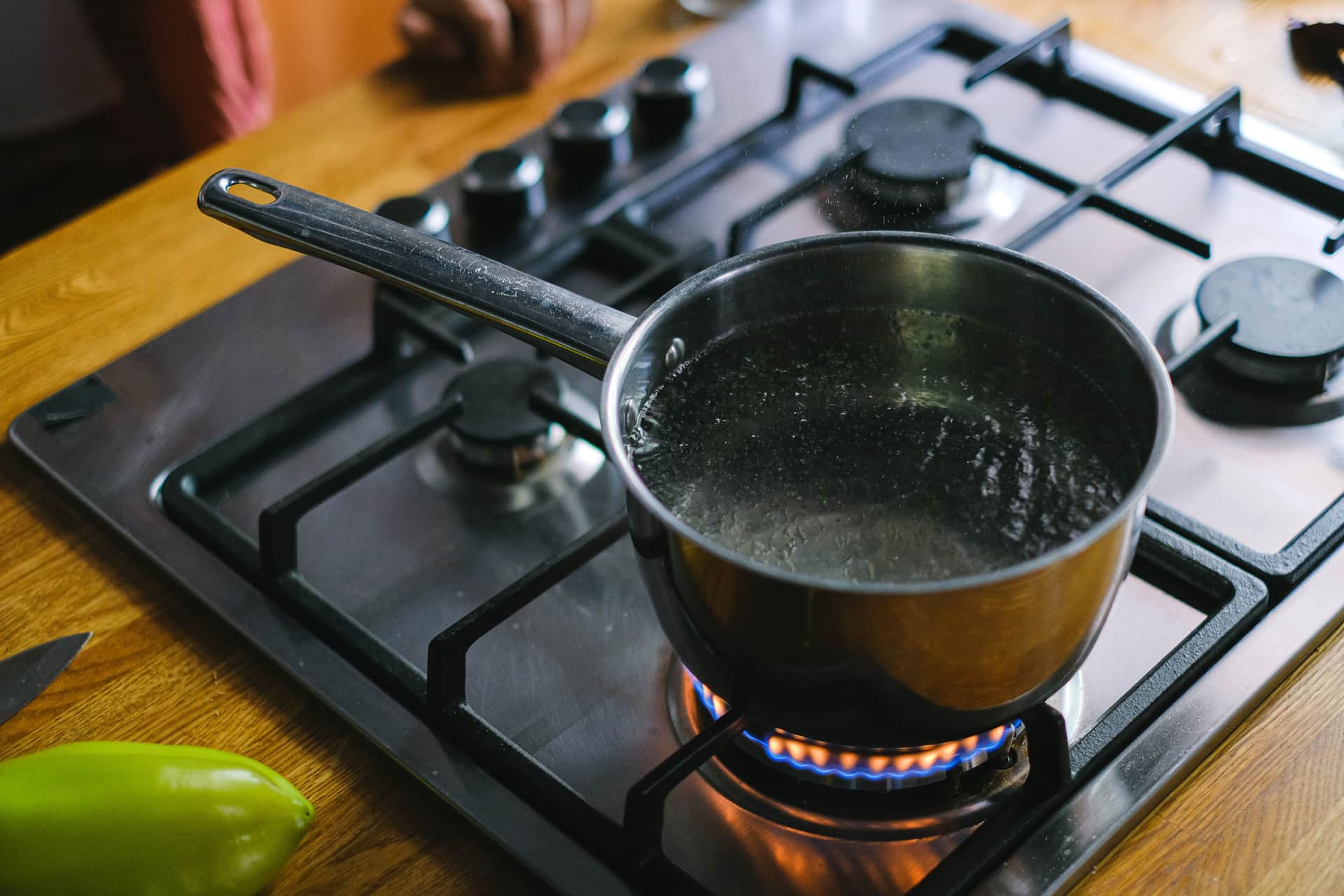
Photo for illustration, not a photograph of our own unit.
Munchkin Steam Guard Microwave Sterilizer
Munchkin
A plastic box, a splash of water and your microwave. It sterilizes properly and costs a fraction of an electric unit, so start here.
- Speed
- 9
- Evenness
- 8
- Capacity
- 6
- Ease of use
- 7
- Value
- 10
- Method:
- Microwave steam
- Capacity:
- Around four bottles
- Extras:
- None
- Price tier:
- Budget
What works
- Cheapest real sterilizing method after a pan of boiling water
- No counter space used between cycles
- Fast, at a couple of minutes per load
What to know first
- No drying, so parts come out wet
- You need a microwave big enough
- Hot and heavy to lift out
#ad Affiliate link · We show no price until we can verify it live
Photo for illustration, not a photograph of our own unit.
Baby Brezza Bottle Sterilizer and Dryer Advanced
Baby Brezza
Sterilizes and dries a full load of bottles plus pump parts in one cycle, which is the only version of this job worth paying for.
- Speed
- 8
- Evenness
- 9
- Capacity
- 10
- Ease of use
- 8
- Value
- 7
- Method:
- Steam sterilize plus filtered dry
- Capacity:
- A day of bottles plus pump parts
- Extras:
- Sterile storage between cycles
- Price tier:
- Premium
What works
- Drying is the part that saves time, because wet parts are the daily annoyance
- Largest capacity in its class, so one cycle covers the day
- Keeps contents sterile between openings
What to know first
- Large, and it lives on the counter
- Premium price
- Needs regular descaling
#ad Affiliate link · We show no price until we can verify it live
Photo for illustration, not a photograph of our own unit.
Medela Quick Clean Micro-Steam Bags
Medela
Reusable microwave steam bags that pack flat. The answer to sterilizing pump parts in an office kitchen.
- Speed
- 9
- Evenness
- 7
- Capacity
- 4
- Ease of use
- 8
- Value
- 9
- Method:
- Microwave steam in a reusable bag
- Capacity:
- One pump set, or a few bottle parts
- Extras:
- Reusable for a set number of cycles
- Price tier:
- Budget
What works
- Packs flat in a work bag or suitcase
- Very fast
- Cheap to replace
What to know first
- Limited number of uses per bag
- Small capacity
- Still needs a microwave
#ad Affiliate link · We show no price until we can verify it live
Common questions
How do you sterilize baby bottles?
Clean them first with hot soapy water and a dedicated brush, then sanitize by one of four CDC-listed methods: boiling for 5 minutes, microwave or plug-in steam, a dishwasher cycle with hot water and heated drying or sanitizing, or a soak of at least 2 minutes in 2 teaspoons of unscented bleach per gallon of water, which is not rinsed afterwards. Then air-dry on a clean towel.
How long do you boil baby bottles to sterilize them?
Five minutes, per CDC guidance. Take the bottles apart first, submerge every part, and lift them out with clean hands or tongs onto a clean towel to air-dry.
Do I need to sterilize baby bottles every time?
No. Bottles need cleaning after every use, but daily sanitizing is recommended specifically for babies under two months old, babies born prematurely, and babies with a weakened immune system. For a healthy older baby, thorough cleaning is the requirement.
Can you sterilize baby bottles in the dishwasher?
Yes — and the CDC is explicit that if you use a dishwasher "with hot water and a heated drying cycle (or sanitizing setting)", then "a separate sanitizing step is not necessary". Separate and rinse the parts first, and put small items in a closed-top basket or mesh bag so they do not end up in the element.
How do you sterilize baby bottles without a sterilizer?
A pan of boiling water for five minutes is a complete method and costs nothing. A dishwasher with a sanitize or heated-dry cycle also finishes the job. If you have neither — traveling, say — the bleach-solution method in the table above is the CDC's fallback, or microwave steam bags if you have access to a microwave.
Should you dry bottles with a towel after sterilizing?
No. Towel-drying transfers whatever is on the towel onto the part you just sanitized. The CDC says to place items on a clean, unused dish towel or paper towel somewhere protected from dirt and dust and let them air-dry thoroughly before storing. Do not stack them wet.