Baby bottles
The best baby bottles for formula feeding in 2026
Nobody is protecting a latch here, so the criteria change completely: getting powder in, keeping air out, and owning enough of them. Five picks.
How this page is funded: if you buy through a link here we may earn an Amazon commission, at no extra cost to you. It never changes which product we put first, and we recommend the cheaper option whenever it is the better one. Full disclosure.
Buy the Philips Avent Natural Response. For formula feeding the job is a wide mouth you can tip a scoop into without a funnel, few enough parts that washing six a day is survivable, and a nipple most babies take without fuss — and the Natural Response is the default that does all three. If gas is the thing you are trying to solve, buy Dr. Brown's Options+ Wide-Neck instead for its internal vent.
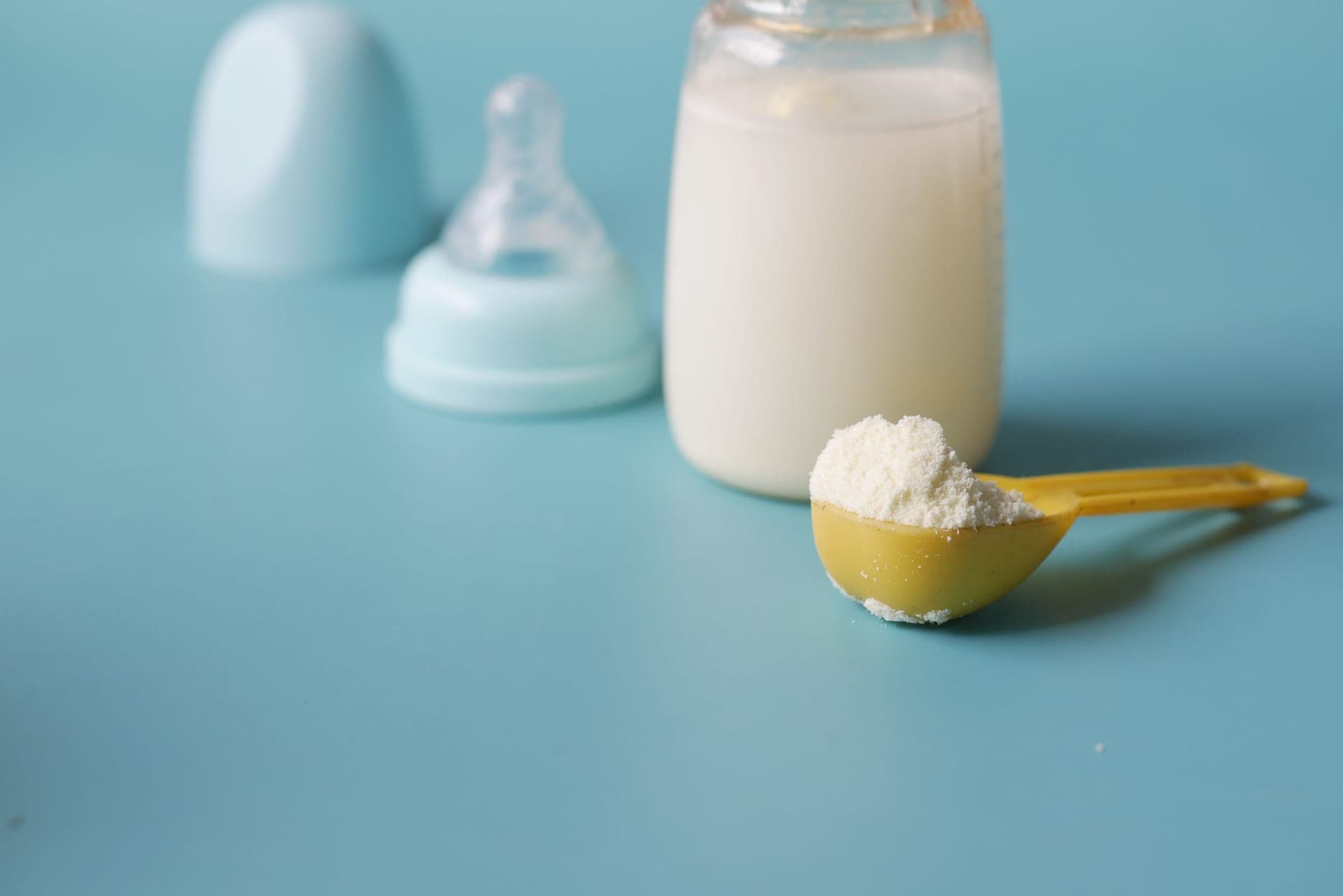
Our pick
Philips Avent Natural Response
The safest default buy: a wide nipple that only releases milk when the baby actively drinks, inside the biggest parts ecosystem on the shelf.
Buy more than you think. The number that matters for formula feeding is not which bottle, it is how many — six to eight, because every feed is a bottle feed and the sink is the thing that will actually wear you down.
#ad Affiliate link · We show no price until we can verify it live
Who should buy something else
- Gas, straining and pulling off mid-feed. Buy Dr. Brown's Options+ Wide-Neck for the vent system.
- You do not want to own a sterilizer. Buy MAM Easy Start. The bottles self-sterilize in a microwave.
- You need eight bottles and the budget is the constraint. Buy the Evenflo Balance+. Wide neck, few parts, very little money.
- You are combining formula and breastfeeding. Read the combination feeding roundup first - the criteria change back.
Quick picks
Our ranking, with the reasoning underneath. Tap any row to jump to the full write-up.
| # | Product | Best for | Score | Price |
|---|---|---|---|---|
| 1 | Philips Avent Natural Response The safest default buy: a wide nipple that only releases milk when the baby actively drinks, inside the biggest parts ecosystem on the shelf. | Most babies | 8.9 | Check price on Amazon #ad Affiliate link · We show no price until we can verify it live |
| 2 | Dr. Brown's Natural Flow Options+ Wide-Neck Dr. Brown's venting behind a wide, breast-shaped nipple. The compromise pick when your baby is gassy and nursing. | A gassy breastfed baby | 8.7 | Check price on Amazon #ad Affiliate link · We show no price until we can verify it live |
| 3 | MAM Easy Start Anti-Colic Its base unscrews so the bottle sterilizes itself in a microwave, which is genuinely useful in a hotel room or an office kitchen. | Self-sterilizing | 8.2 | Check price on Amazon #ad Affiliate link · We show no price until we can verify it live |
| 4 | Evenflo Balance+ Wide Neck A wide, nursing-shaped nipple at supermarket prices. The value pick if a breastfed baby only needs a bottle occasionally. | Cheap wide-neck bottles | 7.9 | Check price on Amazon #ad Affiliate link · We show no price until we can verify it live |
| 5 | Tommee Tippee Closer to Nature The cheapest way to find out whether a wide, soft nipple suits your baby before you commit to a full set. | Trying a wide nipple cheaply | 8.0 | Check price on Amazon #ad Affiliate link · We show no price until we can verify it live |
Scores are our own research scores on the rubric published at how we choose. They are not star ratings from customers, and we do not show a price we cannot verify live.
Every pick, in detail
Photo for illustration, not a photograph of our own unit.
Philips Avent Natural Response
Philips Avent
The safest default buy: a wide nipple that only releases milk when the baby actively drinks, inside the biggest parts ecosystem on the shelf.
- Latch
- 9
- Colic control
- 8
- Cleaning
- 9
- Durability
- 9
- Value
- 9
- Material:
- Polypropylene, glass and PPSU versions
- Parts to wash:
- Three
- Nipple shape:
- Wide
- Price tier:
- Mid-range
What works
- Flow-on-demand nipple paces the feed more like nursing
- Bottles, nipples, sippy tops and pump parts all interchange
- Available in plastic, glass and PPSU with the same nipples
What to know first
- Venting is milder than Dr. Brown's for a severely windy baby
- Nipple flow numbering confuses first-time buyers
- Wide base does not fit narrow warmer wells
#ad Affiliate link · We show no price until we can verify it live
Photo for illustration, not a photograph of our own unit.
Dr. Brown's Natural Flow Options+ Wide-Neck
Dr. Brown's
Dr. Brown's venting behind a wide, breast-shaped nipple. The compromise pick when your baby is gassy and nursing.
- Latch
- 9
- Colic control
- 10
- Cleaning
- 6
- Durability
- 9
- Value
- 8
- Material:
- Polypropylene, glass version available
- Parts to wash:
- Five with the vent fitted
- Nipple shape:
- Wide
- Price tier:
- Mid-range
What works
- Wide nipple is easier for a nursing baby to accept than the narrow version
- Same vent system as the narrow Options+
- Easier to hand-wash than the narrow neck
What to know first
- Still five parts with the vent in
- Bulkier in a diaper bag
- Wide bottles fit fewer warmer wells
#ad Affiliate link · We show no price until we can verify it live
Photo for illustration, not a photograph of our own unit.
MAM Easy Start Anti-Colic
MAM
Its base unscrews so the bottle sterilizes itself in a microwave, which is genuinely useful in a hotel room or an office kitchen.
- Latch
- 8
- Colic control
- 8
- Cleaning
- 8
- Durability
- 8
- Value
- 9
- Material:
- Polypropylene
- Parts to wash:
- Four
- Nipple shape:
- Wide, vented base
- Price tier:
- Mid-range
What works
- Self-sterilizes in a microwave with a splash of water
- Vented base reduces gas without a long internal straw
- The unscrewing base makes scrubbing easy
What to know first
- One more join means one more place to leak
- Four parts, not three
- Nipple is flatter than the wide breast-shaped designs
#ad Affiliate link · We show no price until we can verify it live
Photo for illustration, not a photograph of our own unit.
Evenflo Balance+ Wide Neck
Evenflo
A wide, nursing-shaped nipple at supermarket prices. The value pick if a breastfed baby only needs a bottle occasionally.
- Latch
- 8
- Colic control
- 7
- Cleaning
- 9
- Durability
- 6
- Value
- 10
- Material:
- Polypropylene
- Parts to wash:
- Three
- Nipple shape:
- Wide
- Price tier:
- Budget
What works
- Cheapest wide nursing-shaped nipple that is widely available
- Three parts and a wide mouth to scrub
- Easy to buy more locally
What to know first
- Build feels less solid than premium bottles
- Fewer nipple flow options
- Markings wear with heavy dishwasher use
#ad Affiliate link · We show no price until we can verify it live
Photo for illustration, not a photograph of our own unit.
Tommee Tippee Closer to Nature
Tommee Tippee
The cheapest way to find out whether a wide, soft nipple suits your baby before you commit to a full set.
- Latch
- 8
- Colic control
- 7
- Cleaning
- 9
- Durability
- 7
- Value
- 10
- Material:
- Polypropylene, glass version available
- Parts to wash:
- Three
- Nipple shape:
- Wide, squat bottle
- Price tier:
- Budget
What works
- Sold in cheap multi-packs, so trialling is low-risk
- Short, squat bottle is easy to hold one-handed
- Widely stocked in US supermarkets
What to know first
- Venting is basic
- Squat shape fits fewer warmers
- Nipples collapse more readily on a strong suck
#ad Affiliate link · We show no price until we can verify it live
Why formula feeding needs a different shortlist
Most bottle advice on the internet is written for a breastfeeding parent introducing a bottle, where the whole question is whether the baby will accept it without disrupting the latch. If you are formula feeding, that question does not exist. Your baby has nothing to compare the nipple to, so "most like the breast" stops being a selling point and the practical criteria take over.
| What matters | Breastfed baby taking a bottle | Formula-fed baby |
|---|---|---|
| Nipple shape | Critical — it has to be accepted alongside the breast without disrupting the latch | Much less critical. Your baby has no comparison, so any nipple they feed well from is the right one |
| Neck width | Whatever suits the latch | Wide, almost always. You are tipping powder in several times a day and a narrow neck spills it |
| Venting | Helpful | More important. Mixing introduces air, and air is what causes the gas people blame on the formula |
| How many you need | Fewer — often three or four, since not every feed is a bottle feed | More. Every feed is a bottle, so six to eight is the realistic number |
| Washing | A few a day | Every feed, all day. Fewest parts wins, and dishwasher-safe is not optional |
| Capacity | Small is fine for a while | You will move to the larger size sooner, so buy a bottle sold in both |
The two rows that change people's minds are neck width and count. A narrow-neck bottle is perfectly good at feeding a baby and mildly annoying at taking powder, several times a day, for a year. And three bottles is enough when half the feeds are at the breast; it is not even close when all of them are not. Our how many bottles do I need guide works the number through by feeding style.
Mixing without making foam
Foam is the formula-feeding complaint, and it is mostly a technique problem rather than a bottle problem. Shaking a bottle hard whips air into the mix, and that air ends up in your baby, which arrives as gas, straining and a feed that stops halfway.
What helps, in order of how much difference it makes:
- Swirl, do not shake. Rolling the bottle between your palms mixes powder perfectly well and introduces almost no air.
- Let it stand a minute before feeding and the foam that did form will mostly settle.
- Water in first, then powder. It dissolves more evenly and clumps less.
- Use a vented bottle so the air the baby does draw in goes into the bottle rather than into the baby. Venting is the one hardware feature that genuinely earns its place here.
Always follow the mixing ratio on your formula tin exactly — never dilute to stretch a tin and never concentrate it to add calories. Both are genuinely dangerous, and the ratio is set by the manufacturer for a reason.
What to look for
- A wide neck. The single most useful property for a formula feeder. You will appreciate it five times a day for a year.
- Few parts. Count them. A bottle with five pieces is a bottle you will wash thirty times a day across your set. Vent systems are worth parts; decorative collars are not.
- Dishwasher-safe, top rack, including the nipples. Check the maker says so, because hand-washing is where the day disappears.
- Sold in both sizes. Buy a bottle available in the larger capacity too so you are not changing systems at four months.
- Clear volume markings that survive the dishwasher. Printed markings fade and then you are guessing at a mixing ratio, which is the one place guessing is not acceptable.
- Widely stocked. Nipples wear out and get lost. A bottle you can replace parts for in a supermarket beats a nicer one you have to order.
Cleaning and sterilizing, per the CDC
More relevant for formula than for breast milk, because formula has no antibacterial properties of its own and a bottle gets refilled several times a day. CDC guidance on cleaning, sanitizing and storing infant feeding items is the thing to follow, and two points in it routinely surprise people.
First, sanitizing daily is recommended specifically if your baby is under two months old, was born prematurely, or has a weakened immune system. For a healthy older baby, thorough cleaning is the requirement and sanitizing is optional — so you may not need the machine. Second, a dishwasher run with hot water and a heated drying or sanitizing cycle needs no separate sterilizing step at all. The whole decision is in bottle sterilizer vs dishwasher and how often to sterilize bottles.
One formula-specific habit worth building: rinse immediately after a feed. Formula residue dries into a film that is far harder to shift an hour later, and that film is the reason people end up believing they need a bottle washer. Sometimes they do — best bottle washers is honest about who.
Do you need a warmer?
Less often than for breast milk. Formula can be fed at room temperature, and many babies are perfectly happy with it — which saves you a machine and, more importantly, saves you from a baby who will only take a bottle at one exact temperature. If you are mixing with warm water you may never need a warmer at all.
Where a warmer earns its place is consistency at 3am and a baby who has already decided they like it warm. The honest version of that argument is in do you need a bottle warmer, and the ranked picks are in best bottle warmers. Never warm a bottle in a microwave — it heats unevenly and creates hot spots that can scald, and that applies to formula exactly as it does to breast milk.
Worth saying plainly
Mix formula exactly to the ratio on the tin — never dilute it to stretch a tin, and never make it stronger. Follow CDC guidance for cleaning, sanitizing, storing and drying feeding items, including daily sanitizing if your baby is under two months old, premature, or has a weakened immune system. Never heat a bottle in a microwave. Discard formula left in a bottle after a feed rather than refrigerating it. Which formula to use, and any concern about weight gain, allergy or reflux, belongs with your pediatrician — we are not clinicians and nothing here is medical advice.
How we chose
Researched, not hands-on. Neck widths, part counts, vent designs, capacities and dishwasher-safety claims come from the makers' own specification pages, including Philips Avent's anti-colic range page. Hygiene, sanitizing frequency and drying guidance come from the CDC, and material safety context from the FDA on BPA in food contact materials. Independent hands-on testing of the category comes from Mommyhood101. On this page neck width, part count and dishwasher tolerance are weighted heaviest, and "closest to the breast" is weighted at nothing, because it is not a relevant criterion for an exclusively formula-fed baby. Rubric: how we choose.
Common questions
What is the best bottle for formula feeding?
The Philips Avent Natural Response, for most people: a wide neck you can tip a scoop into, few parts to wash, and a nipple most babies accept without fuss. If gas is the problem you are solving, Dr. Brown's Options+ Wide-Neck and its internal vent is the better buy.
How many bottles do I need if I am formula feeding?
Six to eight. Every feed is a bottle feed, so you are washing the whole set daily and three bottles means you are always waiting on the sink. That is roughly double what a breastfeeding parent needs — our how many bottles do I need guide works it through by feeding style.
Do formula-fed babies need anti-colic bottles?
Not automatically, but venting helps more with formula than with breast milk because mixing introduces air. Before you buy a vented bottle, try swirling instead of shaking and letting the bottle stand a minute — that removes most of the foam for free. If gas persists, best anti-colic bottles goes deeper.
Should I use wide neck or narrow neck bottles for formula?
Wide neck. It is the one preference that is close to universal among formula feeders, for the simple reason that you are tipping powder into the bottle several times a day and a narrow opening spills it. Narrow bottles feed a baby perfectly well; they are just more annoying to fill.
Do I need to sterilize bottles for formula every time?
No. CDC guidance recommends sanitizing feeding items daily if your baby is under two months old, was born prematurely, or has a weakened immune system. Otherwise thorough cleaning is the requirement, and a dishwasher run with a heated drying or sanitizing cycle needs no separate step. Always clean after every feed.
Can formula be fed at room temperature?
Yes, and plenty of babies prefer it — which saves you both a warmer and the problem of a baby who will only drink at one exact temperature. Never heat a bottle in a microwave: it heats unevenly and the hot spots can scald. If you want a warmer anyway, read do you need a bottle warmer first.
Sources
- CDC — How to Clean, Sanitize, and Store Infant Feeding Items
- FDA — Bisphenol A (BPA): Use in Food Contact Application
- Mommyhood101 — Best Baby Bottles, tested and reviewed
- Philips Avent — Anti-colic bottle with AirFree vent
- USDA WIC Breastfeeding Support — Combination Feeding and Maintaining Milk Supply
- American Academy of Pediatrics (HealthyChildren.org) — Why Babies Spit Up