Baby bottles
The best bottles for a baby with tongue tie
No bottle treats a tongue tie. What the right one does is lower the amount of work a feed takes. Four picks, and the honest caveat first.
How this page is funded: if you buy through a link here we may earn an Amazon commission, at no extra cost to you. It never changes which product we put first, and we recommend the cheaper option whenever it is the better one. Full disclosure.
Buy the Pigeon SofTouch PPSU. With restricted tongue movement the feed is hard because the baby cannot cup and compress the nipple efficiently, so the bottle that helps is the one with the softest, most gradually shaped nipple — and that is what the SofTouch is known for. If you are also protecting breastfeeding, the Lansinoh NaturalWave is the one designed around switching between breast and bottle.
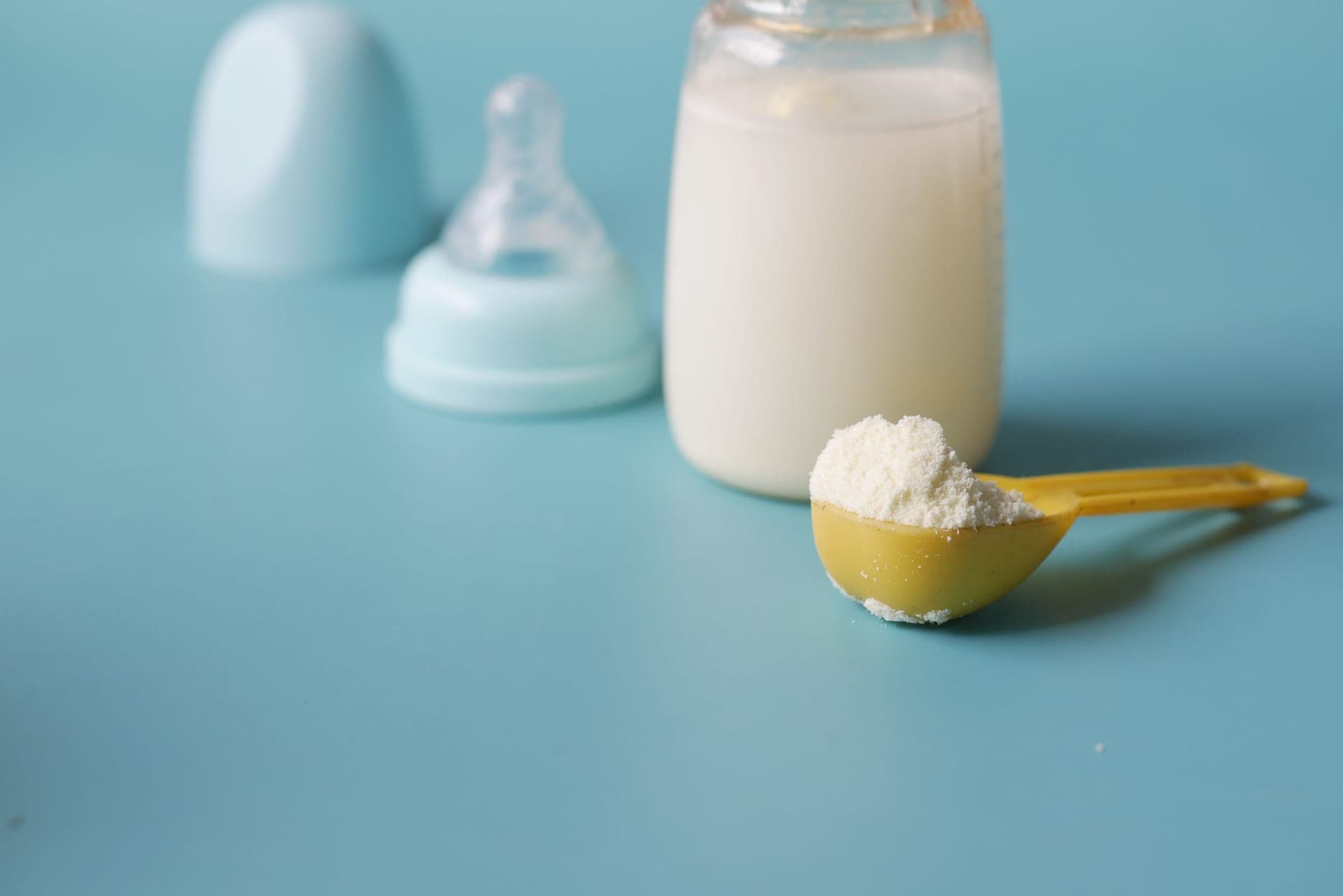
Our pick
Pigeon SofTouch PPSU
The nipple most often described as closest to nursing, on a PPSU body that survives daily sterilizing without clouding.
Read this before you buy anything: a bottle is not a treatment. If feeding is painful, slow, or your baby is not gaining, the people to see are your pediatrician and a lactation consultant — and the AAP is currently warning that tongue tie is being over-diagnosed, with other causes of feeding difficulty overlooked. A different bottle is a reasonable thing to try. It is not a diagnosis and it is not a fix.
#ad Affiliate link · We show no price until we can verify it live
Who should buy something else
- You are combining breast and bottle. Buy the Lansinoh with the NaturalWave nipple.
- Air and gas are the visible problem. Buy Dr. Brown's Options+ Narrow for its internal vent.
- Your baby refuses every bottle you have tried. Buy the Mimijumi Very Hungry as the last resort before you stop buying bottles.
- The feed is fast and chaotic rather than slow and tiring. Change technique before you change bottle. Paced feeding usually fixes it.
Quick picks
Our ranking, with the reasoning underneath. Tap any row to jump to the full write-up.
| # | Product | Best for | Score | Price |
|---|---|---|---|---|
| 1 | Pigeon SofTouch PPSU The nipple most often described as closest to nursing, on a PPSU body that survives daily sterilizing without clouding. | Nipple feel | 8.7 | Check price on Amazon #ad Affiliate link · We show no price until we can verify it live |
| 2 | Lansinoh Baby Bottle with NaturalWave Nipple Designed around the tongue movement of nursing, which makes it one of the easier bottles to alternate with the breast. | Switching between breast and bottle | 8.1 | Check price on Amazon #ad Affiliate link · We show no price until we can verify it live |
| 3 | Dr. Brown's Natural Flow Options+ Narrow The anti-colic bottle with the deepest clinical backing. The internal vent genuinely reduces wind, and genuinely adds parts to wash. | Gas and colic | 8.6 | Check price on Amazon #ad Affiliate link · We show no price until we can verify it live |
| 4 |  Mimijumi Very Hungry Bottle Expensive, odd-looking, and the bottle parents buy when nothing else has worked. Its skin-textured nipple wins over some determined refusers. | A determined bottle refuser | 7.6 | Check price on Amazon #ad Affiliate link · We show no price until we can verify it live |
Scores are our own research scores on the rubric published at how we choose. They are not star ratings from customers, and we do not show a price we cannot verify live.
Every pick, in detail
Photo for illustration, not a photograph of our own unit.
Pigeon SofTouch PPSU
Pigeon
The nipple most often described as closest to nursing, on a PPSU body that survives daily sterilizing without clouding.
- Latch
- 10
- Colic control
- 8
- Cleaning
- 9
- Durability
- 9
- Value
- 6
- Material:
- PPSU
- Parts to wash:
- Three
- Nipple shape:
- Wide
- Price tier:
- Premium
What works
- PPSU tolerates repeated sterilizing better than polypropylene
- Nipple is widely praised for latch
- Light for a premium bottle
What to know first
- Most expensive plastic bottle here
- The amber tint of PPSU looks stained even when clean
- Smaller US accessory range than Avent
#ad Affiliate link · We show no price until we can verify it live
Photo for illustration, not a photograph of our own unit.
Lansinoh Baby Bottle with NaturalWave Nipple
Lansinoh
Designed around the tongue movement of nursing, which makes it one of the easier bottles to alternate with the breast.
- Latch
- 9
- Colic control
- 7
- Cleaning
- 7
- Durability
- 8
- Value
- 8
- Material:
- Polypropylene
- Parts to wash:
- Three
- Nipple shape:
- Narrow with a long nipple
- Price tier:
- Mid-range
What works
- Nipple shape is built for combination feeding
- Slim bottle fits every warmer well and cup holder
- Air-venting without an internal straw
What to know first
- Narrow neck is harder to hand-wash
- Smaller accessory range
- Not the pick for a badly gassy baby
#ad Affiliate link · We show no price until we can verify it live
Photo for illustration, not a photograph of our own unit.
Dr. Brown's Natural Flow Options+ Narrow
Dr. Brown's
The anti-colic bottle with the deepest clinical backing. The internal vent genuinely reduces wind, and genuinely adds parts to wash.
- Latch
- 8
- Colic control
- 10
- Cleaning
- 5
- Durability
- 9
- Value
- 8
- Material:
- Polypropylene, glass version available
- Parts to wash:
- Five with the vent, three without
- Nipple shape:
- Narrow
- Price tier:
- Mid-range
What works
- The vent system has the strongest evidence base for reducing gas
- Vent is removable once colic settles, cutting cleaning to three parts
- Nipple flow levels run from preemie upward
What to know first
- Most parts to wash of any bottle here
- The vent can leak if the bottle is over-tightened or over-filled
- Narrow neck makes hand-washing fiddlier
#ad Affiliate link · We show no price until we can verify it live
Photo for illustration, not a photograph of our own unit.
Mimijumi Very Hungry Bottle
Mimijumi
Expensive, odd-looking, and the bottle parents buy when nothing else has worked. Its skin-textured nipple wins over some determined refusers.
- Latch
- 9
- Colic control
- 7
- Cleaning
- 8
- Durability
- 8
- Value
- 4
- Material:
- Polypropylene body, silicone nipple
- Parts to wash:
- Three
- Nipple shape:
- Very wide, textured
- Price tier:
- Premium
What works
- Unusually breast-like nipple texture and width
- Frequently the bottle that finally works after several failures
- Solid build
What to know first
- Expensive per bottle
- Very wide base fits almost no warmers
- Hard to find in stores
#ad Affiliate link · We show no price until we can verify it live
What tongue tie is, and what it is not
Ankyloglossia — tongue tie — is a shorter or tighter band of tissue under the tongue that limits how far the tongue can move. The AAP's parent-facing explainer on how ankyloglossia affects breastfeeding is the right starting point if you have just been told your baby has one, because the picture it gives is more measured than most of what you will find searching.
The part worth repeating, because it changes what you should spend money on: the AAP has publicly addressed a steep rise in tongue-tie diagnoses and urges clinicians to consider non-surgical options first, noting that release procedures may be overused and may not resolve the feeding problem. Two consequences for you. First, if feeding is difficult, the cause may be something else entirely — positioning, flow rate, reflux, or simply a newborn still learning. Second, a bottle swap is firmly in the "reasonable, low-cost thing to try" category, which is exactly why a page like this is worth having.
Why one bottle is easier than another
A baby feeds using two mechanisms: compression, squeezing the nipple between tongue and palate, and vacuum, generated by sealing and drawing. Restricted tongue movement makes both harder — the tongue cannot cup the nipple as deeply, so the seal leaks and the compression is less effective.
That gives you three things to look for, and all three are properties of the nipple rather than the bottle: it should be soft enough to give under light compression, shaped so a shallow latch still has something to work with, and vented so that an imperfect seal does not fill your baby with air. A heavy, stiff, wide-collared nipple asks for exactly the gape and the vacuum your baby finds hardest.
| Nipple characteristic | Why it matters with restricted tongue movement | What to look for |
|---|---|---|
| Softness | A baby who cannot cup and compress well needs a nipple that gives under light pressure, not one they have to work | Soft silicone, and a thin wall rather than a thick one |
| Shape at the base | A gradual slope lets a shallow latch still reach something to compress. An abrupt shoulder needs a wide gape to seal | A tapered or graduated base rather than a sharp wide collar |
| Venting | A poor seal means swallowed air, and air is what turns a feed into a gassy, interrupted one | An internal vent system, or a vented nipple base |
| Flow rate | Too fast and the baby is overwhelmed; too slow and they tire before they are full | Start at the slowest flow and move up only on the signs, never on the age printed on the box |
| Does it need suction to start? | Some nipples release milk only once vacuum is generated, which is the exact thing a restricted tongue struggles to do | A nipple that releases to compression as well as vacuum, which most vented narrow nipples do |
Flow rate is the lever most people miss
If a feed is exhausting, the instinct is to speed it up with a faster nipple. That often backfires: a fast flow in a mouth that cannot seal well means milk arriving faster than it can be managed, so the baby pulls off, coughs, or gulps air.
The better order of operations is the slowest flow the baby will tolerate, plus paced bottle feeding to put them back in control of the pace, and only then a flow change — and the signal for a flow change is behaviour, not the age printed on the packet. Which signs mean what is in bottle nipple flow sizes. For a baby who tires before they are full, the preemie-flow approach in best bottles for preemies is often more useful than anything on this page, because it is built around exactly that problem.
What to look for
- A soft nipple. The single most useful property. Squeeze it between finger and thumb in the shop: if it resists you, it will resist your baby.
- A gradual base, not an abrupt shoulder. Wide-neck bottles with a sharp collar demand a wide gape. A tapered nipple meets a shallow latch halfway.
- Venting. A vent system lets air into the bottle instead of into the baby, which is the difference between a gassy feed and a calm one when the seal is imperfect.
- Slow flow, available. Check the slowest flow is actually sold for that bottle, and ideally that there is something slower still.
- A nipple that gives to compression. Some designs release milk only once vacuum builds, which is the mechanism your baby is weakest at. Vented narrow nipples generally release to compression too.
- Buy one, not a set. This is a page about trying things. A single bottle of two or three different designs is a far better use of money than six of one.
Before you buy a fourth bottle
Bottle shopping is an easy thing to do when feeding is going badly, and it is often not the intervention that helps. Three things to rule out first, all free:
Position. A more upright, side-lying hold with the bottle close to horizontal changes how much a baby has to work far more than a nipple swap does. Paced bottle feeding covers the technique.
Who is offering it. Refusal and difficulty are not the same thing, and refusal often resolves with a different person, a different room, or a different time of day — the list of things to try is in why won't my baby take a bottle.
Whether it is actually reflux. Arching, crying mid-feed and frequent spit-up look like a feeding-mechanics problem and are often not — see best bottles for reflux, and raise it with your pediatrician.
Worth saying plainly
Nothing here is medical advice and we are not clinicians. Tongue tie is diagnosed and managed by clinicians, and the AAP's guidance is that non-surgical options should be considered first because the procedure may be overused and may not resolve the feeding concern. Poor weight gain, persistent pain while feeding, dehydration or a baby who tires before finishing need a pediatrician and a lactation consultant, not a new bottle. Clean and sanitize feeding items per CDC guidance.
How we chose
Researched rather than hands-on. Nipple materials, shapes, vent systems and available flow rates come from the makers' own specification pages. The clinical framing — what ankyloglossia is, and the AAP's caution about over-diagnosis and surgery — comes from the AAP's own parent explainer and news release. Independent hands-on testing of the bottle category comes from Mommyhood101. On this page nipple softness and base geometry are weighted heaviest and capacity and dishwasher convenience are weighted down. We make no claim that any bottle treats, improves or compensates for a tongue tie. Rubric: how we choose.
Common questions
What is the best bottle for a baby with tongue tie?
A bottle with a soft, gradually tapered, vented nipple available in a slow flow — the Pigeon SofTouch PPSU is the clearest example. But no bottle treats a tongue tie. It reduces how much work a feed takes, which can be enough to make feeding manageable while the actual cause is being assessed by your pediatrician.
Can a baby with tongue tie drink from a bottle?
Usually yes, and often more easily than from the breast, because a bottle nipple can be compressed with less precise tongue movement. Difficulty tends to show up as a slow feed, a poor seal with milk leaking at the corners, swallowed air, or tiring before the bottle is finished. A softer nipple and a slower flow are the two levers that help most.
Should I use a wide or narrow nipple for tongue tie?
Narrow or gradually tapered, generally. A wide nipple with an abrupt shoulder needs a wide gape to seal, and a wide gape is the thing restricted tongue movement makes hardest. The softness of the nipple matters more than either shape though — squeeze it before you buy it.
Does my baby need their tongue tie cut?
That is a decision for your pediatrician, and the AAP's current position is to consider non-surgical options first. It has publicly addressed a sharp rise in diagnoses, noting the procedure may be overused and may not resolve the feeding problem, and that other causes are often overlooked. We are not clinicians and cannot advise on this.
Does a slow flow nipple help with tongue tie?
Often, yes, and it is the first thing to try before buying a different bottle. A fast flow into a mouth that cannot seal well arrives faster than the baby can manage it, which reads as coughing, pulling off and gulping air. Start at the slowest flow and change only on your baby's signs, never on the age printed on the box.
Why does milk leak out of the corners of my baby's mouth?
It usually means the seal around the nipple is imperfect, which is common with restricted tongue movement and also common in any newborn still learning. A softer, more tapered nipple helps the seal; a vent system means the air that does get in goes into the bottle rather than the baby. Persistent leaking with poor weight gain is a reason to see your pediatrician.
Sources
- American Academy of Pediatrics (HealthyChildren.org) — Tongue Tie in Babies: How Ankyloglossia Affects Breastfeeding
- American Academy of Pediatrics (HealthyChildren.org) — AAP Addresses Rise in Tongue-Tie Diagnoses for Breastfeeding Concerns
- Mommyhood101 — Best Baby Bottles, tested and reviewed
- CDC — How to Clean, Sanitize, and Store Infant Feeding Items
- American Academy of Pediatrics (HealthyChildren.org) — How Should I Feed My Premature Baby?