Warmers & sterilizers
The best bottle sterilizers for glass bottles
Heat is not the problem with glass. Rack geometry and load weight are. Here is which sterilizers actually take glass bottles, and how to check before you buy.
How this page is funded: if you buy through a link here we may earn an Amazon commission, at no extra cost to you. It never changes which product we put first, and we recommend the cheaper option whenever it is the better one. Full disclosure.
Buy the Baby Brezza One Step Sterilizer and Dryer Advanced. It is the one unit in this category whose maker states glass outright — it "holds 8 bottles (plastic, silicone, and glass), 2 full breast pump sets (including wearables), pacifiers, and accessories from any brand" — and it dries as well as sterilizes, which matters more with glass because glass holds water longer than thin polypropylene does.
Our pick
Baby Brezza Bottle Sterilizer and Dryer Advanced
Sterilizes and dries a full load of bottles plus pump parts in one cycle, which is the only version of this job worth paying for.
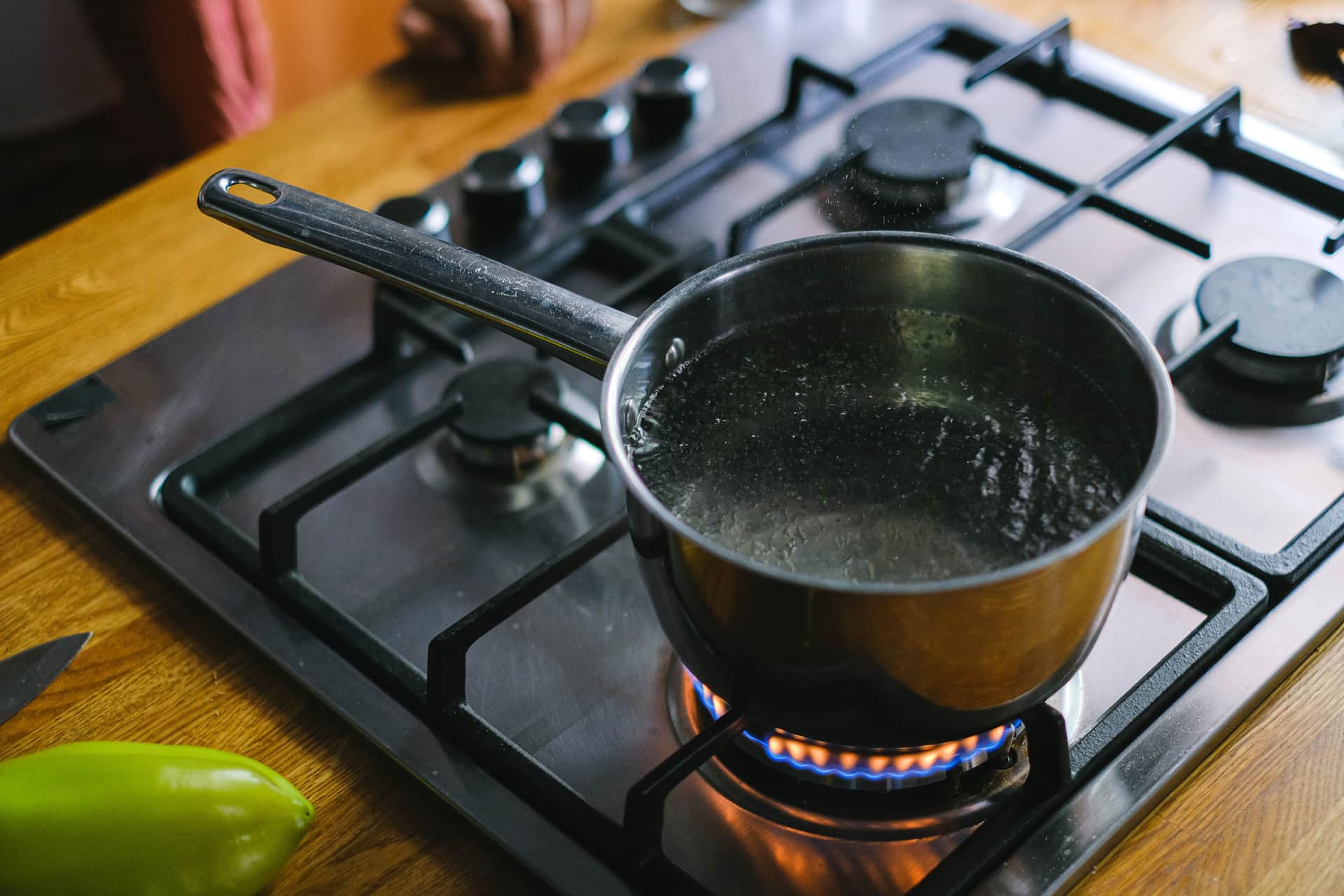
Before you buy anything: you may not need a sterilizer at all. Per CDC guidance, daily sanitizing is for babies under two months, babies born prematurely, and babies with a weakened immune system. For everyone else, clean bottles are enough. A pan of boiling water is free and suits glass better than anything with a rack.
#ad Affiliate link · We show no price until we can verify it live
Who should buy something else
- Your glass bottles are tall and nothing else takes them. Buy the Grownsy 4-in-1. Its interior is built around tall bottles.
- Counter space is the binding constraint. Buy the Philips Avent, but measure your bottles against the basket first.
- You want to spend almost nothing and your bottles are microwave safe. Buy the Munchkin microwave box. Check the bottle is rated for a microwave.
- You own a dishwasher with a sanitize or heated dry cycle. Use it. The CDC says that needs no separate sterilizing step.
Quick picks
Our ranking, with the reasoning underneath. Tap any row to jump to the full write-up.
| # | Product | Best for | Score | Price |
|---|---|---|---|---|
| 1 | Baby Brezza Bottle Sterilizer and Dryer Advanced Sterilizes and dries a full load of bottles plus pump parts in one cycle, which is the only version of this job worth paying for. | Sterilizers, overall | 8.7 | Check price on Amazon #ad Affiliate link · We show no price until we can verify it live |
| 2 | Grownsy 4-in-1 Sterilizer and Dryer Large capacity and long sterile storage for noticeably less money than the brand-name units. | Sterilizers, value | 8.1 | Check price on Amazon #ad Affiliate link · We show no price until we can verify it live |
| 3 | Philips Avent Premium Sterilizer with Dryer The same sterilize-then-dry job as the Baby Brezza in a slightly smaller footprint, and it goes on promotion far more often. | A smaller counter | 8.3 | Check price on Amazon #ad Affiliate link · We show no price until we can verify it live |
| 4 | Munchkin Steam Guard Microwave Sterilizer A plastic box, a splash of water and your microwave. It sterilizes properly and costs a fraction of an electric unit, so start here. | Sterilizing cheaply | 8.0 | Check price on Amazon #ad Affiliate link · We show no price until we can verify it live |
Scores are our own research scores on the rubric published at how we choose. They are not star ratings from customers, and we do not show a price we cannot verify live.
Every pick, in detail
Photo for illustration, not a photograph of our own unit.
Baby Brezza Bottle Sterilizer and Dryer Advanced
Baby Brezza
Sterilizes and dries a full load of bottles plus pump parts in one cycle, which is the only version of this job worth paying for.
- Speed
- 8
- Evenness
- 9
- Capacity
- 10
- Ease of use
- 8
- Value
- 7
- Method:
- Steam sterilize plus filtered dry
- Capacity:
- A day of bottles plus pump parts
- Extras:
- Sterile storage between cycles
- Price tier:
- Premium
What works
- Drying is the part that saves time, because wet parts are the daily annoyance
- Largest capacity in its class, so one cycle covers the day
- Keeps contents sterile between openings
What to know first
- Large, and it lives on the counter
- Premium price
- Needs regular descaling
#ad Affiliate link · We show no price until we can verify it live
Photo for illustration, not a photograph of our own unit.
Grownsy 4-in-1 Sterilizer and Dryer
Grownsy
Large capacity and long sterile storage for noticeably less money than the brand-name units.
- Speed
- 8
- Evenness
- 8
- Capacity
- 9
- Ease of use
- 7
- Value
- 9
- Method:
- Steam sterilize plus dry
- Capacity:
- Eight tall bottles
- Extras:
- Extended sterile-storage mode
- Price tier:
- Mid-range
What works
- Takes tall bottles that other units cannot
- Long sterile-storage window
- Much cheaper than the premium pair
What to know first
- Build quality is a step below the name brands
- Controls are less intuitive
- Support is thinner if something fails
#ad Affiliate link · We show no price until we can verify it live
Photo for illustration, not a photograph of our own unit.
Philips Avent Premium Sterilizer with Dryer
Philips Avent
The same sterilize-then-dry job as the Baby Brezza in a slightly smaller footprint, and it goes on promotion far more often.
- Speed
- 7
- Evenness
- 9
- Capacity
- 7
- Ease of use
- 8
- Value
- 8
- Method:
- Steam sterilize plus dry
- Capacity:
- Around six bottles
- Extras:
- Adjustable basket
- Price tier:
- Premium
What works
- Smaller on the counter than the Baby Brezza
- Basket adapts for pump parts and small items
- Frequently discounted
What to know first
- Smaller capacity
- The drying cycle is long
- Fewer bottle shapes fit
#ad Affiliate link · We show no price until we can verify it live
Photo for illustration, not a photograph of our own unit.
Munchkin Steam Guard Microwave Sterilizer
Munchkin
A plastic box, a splash of water and your microwave. It sterilizes properly and costs a fraction of an electric unit, so start here.
- Speed
- 9
- Evenness
- 8
- Capacity
- 6
- Ease of use
- 7
- Value
- 10
- Method:
- Microwave steam
- Capacity:
- Around four bottles
- Extras:
- None
- Price tier:
- Budget
What works
- Cheapest real sterilizing method after a pan of boiling water
- No counter space used between cycles
- Fast, at a couple of minutes per load
What to know first
- No drying, so parts come out wet
- You need a microwave big enough
- Hot and heavy to lift out
#ad Affiliate link · We show no price until we can verify it live
Heat is not the problem. Geometry is
The worry people arrive with is that steam will crack a glass bottle. It almost never does. Steam sterilizing works at around the boiling point of water, and boiling is the oldest method of sanitizing feeding items there is — the CDC still lists it, as "Boil for 5 minutes". Glass has been going into pans of boiling water for a century.
What actually goes wrong is mechanical, and it goes wrong in three predictable ways.
The pegs are the wrong pitch. Sterilizer racks are molded around wide-neck plastic bottles. Glass bottles for the same capacity tend to be a little wider, because the walls are thicker, which means fewer fit per row and some do not seat on the peg at all.
The load is much heavier. Eight glass bottles weigh far more than eight plastic ones, inverted, balanced on thin plastic spikes. They lean, they touch, and bottles touching each other is how a load comes out with unsterilized contact patches — and occasionally how a bottle chips.
Height. Many glass bottles are taller than their plastic equivalents, and the lid has to close. A sterilizer whose lid will not seat is a sterilizer that does not sterilize.
Thermal shock, honestly
It is real and it is manageable. Borosilicate glass, which is what good baby bottles are made from, tolerates sudden temperature change well. Soda-lime glass, which is what cheaper bottles are made from, tolerates it less well. Either way the rule is the same and it is easy: do not move a bottle between extremes. Straight from the freezer into a steam cycle is asking for a crack; room temperature into steam is a non-event.
One more thing worth knowing: a chipped or hairline-cracked glass bottle should be thrown away, not sterilized. Heat cycles make small cracks bigger. Check the rim and base when you load, which is a two-second habit.
Every sterilizing method, scored for glass
| Method | Suits glass? | What to watch |
|---|---|---|
| A pan of boiling water, 5 minutes | Best of all | Nothing, really. This is the method glass bottles were designed around, and it is one of the methods the CDC lists. Lift them out with tongs. |
| Electric steam sterilizer | Yes, if the rack fits | Peg spacing and basket height, and the weight of a full load pressing on plastic pegs. Check the maker states glass, not just "bottles". |
| Electric sterilize-and-dry | Yes, if the rack fits | Same as above. The drying stage is the thing worth paying for, and glass dries slower than plastic. |
| Microwave steam box | Only if the bottle says microwave safe | A full box of glass is heavy and genuinely hot to lift out, and not all glass bottles are rated for a microwave. |
| Microwave steam bags | Usually not | Designed around light plastic parts. A glass bottle in a flexible bag is awkward and hot. Use them for pump parts instead. |
| Dishwasher on a sanitize cycle | Yes | Per the CDC, a hot wash with a heated drying or sanitizing cycle needs no separate sterilizing step. Secure bottles so they cannot tip onto each other. |
The row most people are surprised by is the first one. If you own glass bottles and are deciding whether to buy a sterilizer at all, a stockpot is the method with no fit problem, no rack problem and no weight problem. The reason to buy a machine is the drying, not the sterilizing — and wet parts are the actual daily annoyance. That argument in full is in best bottle sterilizers.
What to look for, specifically for glass
- Does the maker say "glass"? Not "bottles", not "all brands" — the word glass. Most do not say it, because their racks were designed around their own plastic bottles. Baby Brezza says it explicitly, which is why it leads this page.
- Interior height, measured. Measure your tallest bottle, upright, then check the stated interior height. This is the number that causes returns.
- Rack adjustability. A basket or rack whose pegs or levels move is far more likely to take a bottle it was not designed for than a fixed molded tray.
- A real drying stage. Glass holds heat and water. A filtered-air dry finishes the job; a "residual heat" dry often does not.
- Sterile storage. If the unit keeps contents sterile between openings you handle the bottles once instead of twice. Baby Brezza states 48 hours with the lid closed.
- Descaling access. Steam sterilizers scale up. One you can descale easily stays effective; one you cannot gets replaced.
How often you actually need to do this
Less often than the packaging implies. The CDC says to sanitize feeding items daily "for extra germ removal or if your baby: Is less than 2 months old, Was born prematurely, or Has a weakened immune system". Outside those cases, thorough cleaning is the requirement and sanitizing is optional.
Also from the same guidance, and routinely skipped: after sanitizing, "place items on a clean, unused dish towel or paper towel in an area protected from dirt and dust. Allow to air-dry thoroughly before storing." Towel-drying a sterilized bottle undoes the cycle. Full method and frequency in how to sterilize baby bottles and how often to sterilize bottles.
Worth saying plainly
Discard any glass bottle that is chipped or cracked rather than sterilizing it. Follow the manufacturer's instructions for both the bottle and the sterilizer — a microwave sterilizer should only be used with items the maker states are microwave safe, which not all glass bottles are. Sanitizing guidance, including who needs it daily, is published by the CDC. We are not clinicians; questions about a premature or immunocompromised baby's feeding hygiene belong with your pediatrician.
How we chose
Researched rather than hands-on. We did not run a glass load through four sterilizers and we do not claim to have. Capacity, stated materials and sterile-storage windows come from the makers' own specification pages, including Baby Brezza's, which is the only one in this group to name glass explicitly. Sanitizing methods, frequency and post-cycle drying come from CDC guidance. Independent hands-on testing of the wider sterilizer category comes from Consumer Reports and Babylist. On this page, rack geometry and stated glass compatibility are weighted heaviest and speed is weighted down. Rubric: how we choose.
Common questions
Can you put glass baby bottles in a sterilizer?
Yes, in almost all cases — steam sterilizing runs at around the boiling point of water, and boiling is itself one of the CDC's listed sanitizing methods. The real constraint is whether your bottles physically fit the rack, and whether the lid closes. Check the maker names glass rather than just "bottles", and never sterilize a chipped or cracked bottle.
Will steam crack a glass baby bottle?
Not on its own. Cracking comes from sudden temperature change, not from heat. Borosilicate bottles handle it well and soda-lime bottles less well, but the rule for both is simply to avoid extremes — do not take a bottle from the freezer straight into a steam cycle. Thaw in the fridge first.
Do you need to sterilize glass baby bottles?
No more than plastic ones. Glass is not more or less in need of sanitizing; the material makes no difference to the rule. The CDC recommends daily sanitizing if your baby is under two months old, was born prematurely, or has a weakened immune system. Otherwise thorough cleaning is enough.
What is the best way to sterilize glass bottles?
A pan of boiling water for five minutes, if you only want it done properly and cheaply — it has no fit problem and no weight problem. Buy a machine for the drying stage rather than the sterilizing, and pick one whose maker states glass compatibility.
Can glass bottles go in a microwave steam sterilizer?
Only if the bottle itself is rated microwave safe, which not all glass bottles are. Check the bottle's own instructions. Be aware that a loaded microwave box of glass is heavy and very hot to lift out, which is a practical argument for the stovetop or an electric unit instead.
Can glass baby bottles go in the dishwasher?
Generally yes, and per CDC guidance a dishwasher run "with hot water and a heated drying cycle (or sanitizing setting)" needs no separate sanitizing step at all. Secure the bottles so they cannot tip into each other, and put small parts in a closed-top basket.