Warmers & sterilizers
The best sterilizers for breast pump parts
More pieces than a bottle, all of them small and oddly shaped, and the wet ones are what actually bother you. Four picks, and the parts to keep out.
How this page is funded: if you buy through a link here we may earn an Amazon commission, at no extra cost to you. It never changes which product we put first, and we recommend the cheaper option whenever it is the better one. Full disclosure.
Buy the Baby Brezza One Step Sterilizer and Dryer Advanced. It is the unit in this category whose maker names pump parts explicitly — it "holds 8 bottles (plastic, silicone, and glass), 2 full breast pump sets (including wearables), pacifiers, and accessories from any brand" — and the drying stage is the part that actually matters with pump parts, because a wet valve is the thing standing between you and the next session. If you pump at work, buy Medela Quick Clean micro-steam bags instead, for a different reason entirely.
Our pick
Baby Brezza Bottle Sterilizer and Dryer Advanced
Sterilizes and dries a full load of bottles plus pump parts in one cycle, which is the only version of this job worth paying for.
You may not need daily sanitizing at all. The CDC's pump hygiene guidance recommends sanitizing pump parts daily for babies under two months, babies born prematurely and babies with a weakened immune system. For a healthy older baby, cleaning properly after every use is the requirement.
#ad Affiliate link · We show no price until we can verify it live
Who should buy something else
- You pump at work or while travelling. Buy Medela Quick Clean bags. A microwave, 180ml of water, three minutes.
- You want a dryer without the premium price. Buy the Grownsy 4-in-1.
- You want to spend almost nothing and have a microwave. Buy the Munchkin Steam Guard box.
- You own a dishwasher with a sanitize cycle. Use it, with the small parts in a closed-top basket. Nothing else needed.
Quick picks
Our ranking, with the reasoning underneath. Tap any row to jump to the full write-up.
| # | Product | Best for | Score | Price |
|---|---|---|---|---|
| 1 | Baby Brezza Bottle Sterilizer and Dryer Advanced Sterilizes and dries a full load of bottles plus pump parts in one cycle, which is the only version of this job worth paying for. | Sterilizers, overall | 8.7 | Check price on Amazon #ad Affiliate link · We show no price until we can verify it live |
| 2 | Medela Quick Clean Micro-Steam Bags Reusable microwave steam bags that pack flat. The answer to sterilizing pump parts in an office kitchen. | Work and travel | 7.6 | Check price on Amazon #ad Affiliate link · We show no price until we can verify it live |
| 3 | Grownsy 4-in-1 Sterilizer and Dryer Large capacity and long sterile storage for noticeably less money than the brand-name units. | Sterilizers, value | 8.1 | Check price on Amazon #ad Affiliate link · We show no price until we can verify it live |
| 4 | Munchkin Steam Guard Microwave Sterilizer A plastic box, a splash of water and your microwave. It sterilizes properly and costs a fraction of an electric unit, so start here. | Sterilizing cheaply | 8.0 | Check price on Amazon #ad Affiliate link · We show no price until we can verify it live |
Scores are our own research scores on the rubric published at how we choose. They are not star ratings from customers, and we do not show a price we cannot verify live.
Every pick, in detail
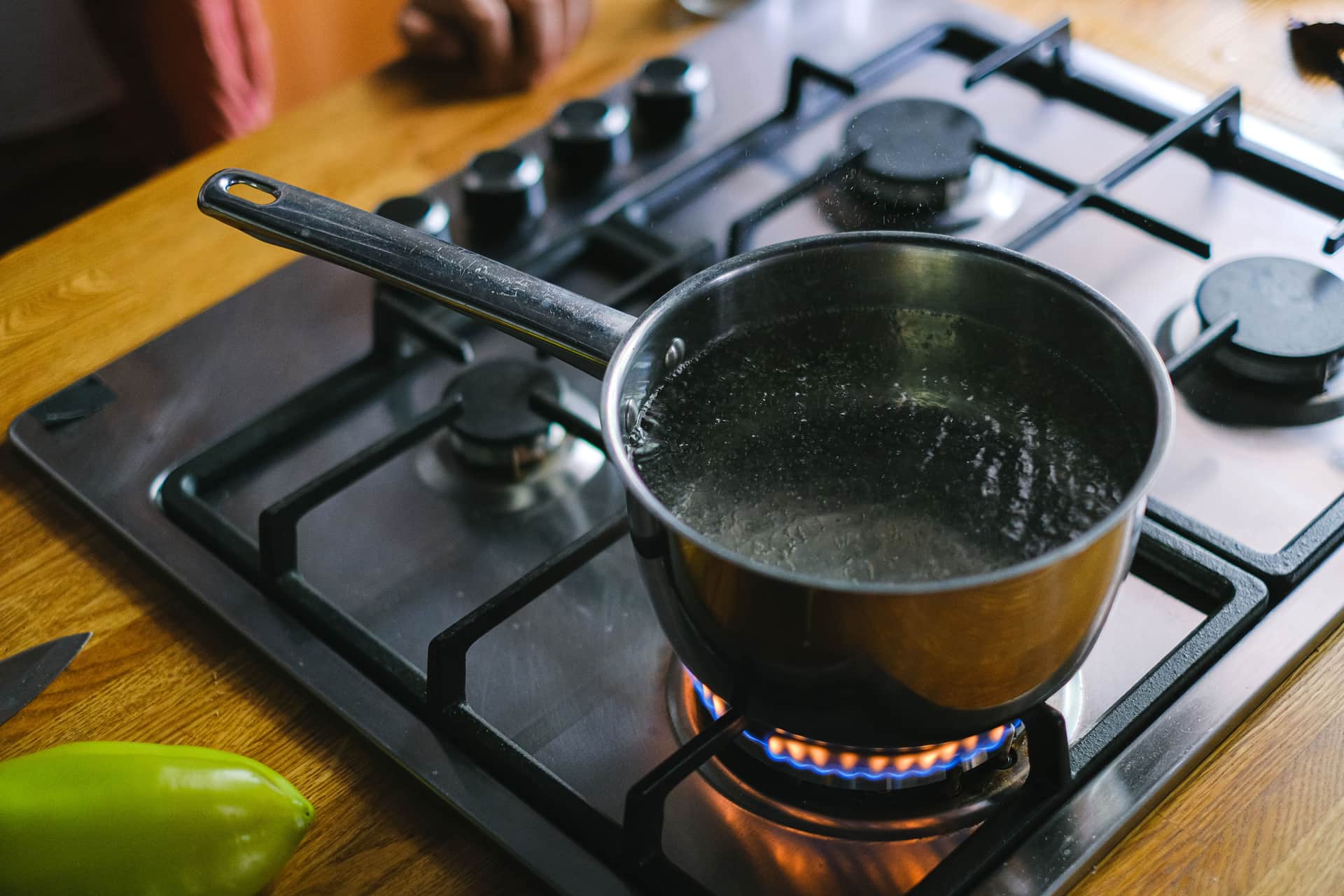
Photo for illustration, not a photograph of our own unit.
Baby Brezza Bottle Sterilizer and Dryer Advanced
Baby Brezza
Sterilizes and dries a full load of bottles plus pump parts in one cycle, which is the only version of this job worth paying for.
- Speed
- 8
- Evenness
- 9
- Capacity
- 10
- Ease of use
- 8
- Value
- 7
- Method:
- Steam sterilize plus filtered dry
- Capacity:
- A day of bottles plus pump parts
- Extras:
- Sterile storage between cycles
- Price tier:
- Premium
What works
- Drying is the part that saves time, because wet parts are the daily annoyance
- Largest capacity in its class, so one cycle covers the day
- Keeps contents sterile between openings
What to know first
- Large, and it lives on the counter
- Premium price
- Needs regular descaling
#ad Affiliate link · We show no price until we can verify it live
Photo for illustration, not a photograph of our own unit.
Medela Quick Clean Micro-Steam Bags
Medela
Reusable microwave steam bags that pack flat. The answer to sterilizing pump parts in an office kitchen.
- Speed
- 9
- Evenness
- 7
- Capacity
- 4
- Ease of use
- 8
- Value
- 9
- Method:
- Microwave steam in a reusable bag
- Capacity:
- One pump set, or a few bottle parts
- Extras:
- Reusable for a set number of cycles
- Price tier:
- Budget
What works
- Packs flat in a work bag or suitcase
- Very fast
- Cheap to replace
What to know first
- Limited number of uses per bag
- Small capacity
- Still needs a microwave
#ad Affiliate link · We show no price until we can verify it live
Photo for illustration, not a photograph of our own unit.
Grownsy 4-in-1 Sterilizer and Dryer
Grownsy
Large capacity and long sterile storage for noticeably less money than the brand-name units.
- Speed
- 8
- Evenness
- 8
- Capacity
- 9
- Ease of use
- 7
- Value
- 9
- Method:
- Steam sterilize plus dry
- Capacity:
- Eight tall bottles
- Extras:
- Extended sterile-storage mode
- Price tier:
- Mid-range
What works
- Takes tall bottles that other units cannot
- Long sterile-storage window
- Much cheaper than the premium pair
What to know first
- Build quality is a step below the name brands
- Controls are less intuitive
- Support is thinner if something fails
#ad Affiliate link · We show no price until we can verify it live
Photo for illustration, not a photograph of our own unit.
Munchkin Steam Guard Microwave Sterilizer
Munchkin
A plastic box, a splash of water and your microwave. It sterilizes properly and costs a fraction of an electric unit, so start here.
- Speed
- 9
- Evenness
- 8
- Capacity
- 6
- Ease of use
- 7
- Value
- 10
- Method:
- Microwave steam
- Capacity:
- Around four bottles
- Extras:
- None
- Price tier:
- Budget
What works
- Cheapest real sterilizing method after a pan of boiling water
- No counter space used between cycles
- Fast, at a couple of minutes per load
What to know first
- No drying, so parts come out wet
- You need a microwave big enough
- Hot and heavy to lift out
#ad Affiliate link · We show no price until we can verify it live
Why pump parts are a different load from bottles
A bottle is three pieces and they are all big. A single pump set is six to ten pieces and most of them are small, light and awkwardly shaped — flanges, connectors, valves, membranes, duckbills, backflow protectors, and on a wearable, a multi-part cup. Four consequences follow, and they are what should drive your purchase.
Small parts move. Steam has to reach every surface, and a membrane that has floated on top of a flange has an unsterilized contact patch. Baskets with lids, or a closed-top basket in a dishwasher, exist for exactly this.
Drying is the real problem. Sterilizing a valve takes minutes; getting it dry enough to seal properly takes much longer, and a wet valve seals badly, which reads to you as a pump that has lost suction. This is the reason a dryer is worth paying for here when it is merely nice to have for bottles — and it is also why a damp membrane gets mistaken for a broken pump.
Heat ages the soft parts. Valves, membranes and duckbills are consumables. Heat cycles shorten their life, so if you sanitize daily, expect to replace them more often. That is a cost of the routine, not a fault in the sterilizer.
Some parts must not go in. Tubing and anything electrical, always. Wearable cup bodies, usually, unless both the pump maker and the sterilizer maker say otherwise. The table below is the short version.
What can go in, and what cannot
| Part | Steam sterilizer | Microwave bag | Boiling |
|---|---|---|---|
| Flanges and shields (rigid plastic) | Yes | Yes | Yes |
| Collection bottles | Yes | Yes, if they fit the bag | Yes |
| Valves and membranes | Yes, but they are the first parts heat wears out — expect to replace them sooner | Yes, same caveat | Yes, same caveat |
| Duckbill valves | Yes, check your pump maker's instruction first | Yes | Yes |
| Wearable pump cups (multi-part) | Only where the sterilizer states wearables, and only the parts the pump maker says are steam-safe | Usually too bulky | Check the maker — many cup bodies are not for boiling |
| Tubing | Do not sterilize. Tubing that contacts milk should not; tubing that does not need only be kept dry | No | No |
| Motor unit, batteries, electronics | Never | Never | Never |
When your pump maker's instruction and a sterilizer maker's claim disagree, follow the pump maker. They are the ones who know what their plastic does at 100°C, and a warped flange is both unusable and unreturnable.
What the CDC actually asks for
Worth reading directly, because the routine most people adopt is stricter than the guidance and stricter is not free — it costs you time and it wears your parts out. The CDC's breast pump hygiene page is the specific document for pumps, and its shape is:
- Wash your hands before handling the pump or any parts. The unglamorous step with the most evidence behind it.
- Clean every part that contacts milk after every use — that is the non-negotiable one.
- Sanitize daily for extra germ removal if your baby is under two months, was born prematurely, or has a weakened immune system. Otherwise it is optional.
- Air-dry on a clean, unused dish towel or paper towel in an area protected from dirt and dust. Towel-drying a sanitized part undoes the cycle — the same point is made in the general feeding-items guidance.
- Store dry. A sealed container of damp parts is worse than an open rack of dry ones.
Step by step, with the wash-basin and work-sink variations, is in how to clean breast pump parts.
What to look for
- A real drying stage. Filtered-air drying, not "residual heat". With pump parts this is the feature you are actually buying.
- A small-parts basket with a lid. Without it, membranes and valves move during the cycle and come out wet and nested.
- The maker naming pump parts, not just bottles. Capacity stated in bottles tells you nothing about whether a wearable cup fits.
- A cycle short enough to do daily. A forty-minute sterilize-and-dry you run overnight is fine; one you need twice a day is not.
- Sterile storage between openings. If the unit keeps contents sterile with the lid closed, it doubles as the clean, dust-protected place the CDC asks you to dry parts in.
- Descaling access. Steam units scale up, and a scaled unit stops reaching temperature.
The work and travel case, which is different
Pumping away from home does not need a machine, and buying one for it is the wrong answer. What you need is something that fits in a bag and works with a shared microwave, which is what steam bags are for: parts in, a measured amount of water, a few minutes on high, done. The same bag is reusable for a stated number of cycles, which you should count rather than guess.
The CDC also addresses the realistic version of the office situation in its pump hygiene guidance: if a sink is not available, a wash basin used only for pump parts plus clean water is the route, not a rinse under a public tap. The full work routine is in best breast pumps for working moms.
Worth saying plainly
Never put tubing, motor units or anything electrical in a sterilizer. Follow your pump maker's instructions for which parts tolerate steam or boiling, and follow them over any sterilizer maker's general claim. Clean every milk-contact part after every use, and sanitize daily if your baby is under two months old, was born prematurely, or has a weakened immune system, per CDC pump hygiene guidance. Replace valves and membranes when they stop sealing. We are not clinicians; questions about a premature or immunocompromised baby belong with your pediatrician.
How we chose
Researched, not hands-on. Stated capacities, drying stages and what each unit says it accepts come from the makers' own pages, including Baby Brezza's, which is the only one here to name breast pump sets and wearables explicitly. Hygiene requirements come from the CDC's pump hygiene and feeding items guidance. Independent hands-on testing of the sterilizer category comes from Consumer Reports, Babylist and Mommyhood101. On this page drying performance and small-parts handling are weighted heaviest and bottle capacity is weighted down. Rubric: how we choose.
Common questions
What is the best sterilizer for breast pump parts?
The Baby Brezza One Step Sterilizer and Dryer Advanced, because it names breast pump sets and wearables in its own stated capacity and because it dries as well as sterilizes — and with pump parts the drying is what you are really buying. For pumping at work, Medela Quick Clean micro-steam bags and a microwave are the better answer.
Do you need to sterilize breast pump parts after every use?
No. CDC pump hygiene guidance asks you to clean every milk-contact part after every use, and to sanitize daily for extra germ removal if your baby is under two months old, was born prematurely, or has a weakened immune system. For a healthy older baby, daily sanitizing is optional.
Can breast pump tubing go in a sterilizer?
No. Tubing should not be sterilized — tubing that contacts milk needs replacing rather than steaming, and tubing that does not contact milk only needs to be kept dry. Water trapped in tubing is a problem in its own right, and nothing electrical should go near a sterilizer at all.
Can you sterilize wearable pump cups?
Only the parts your pump maker says are steam-safe, and only in a sterilizer that states it takes wearables — the multi-part cups are bulky and some bodies are not rated for it. Where the pump maker and the sterilizer maker disagree, follow the pump maker. A warped cup is unusable and not covered.
Does sterilizing wear out pump valves and membranes?
Yes, faster. Valves, membranes and duckbills are consumables and heat cycles shorten their life, so a daily sanitizing routine means replacing them more often. It is worth budgeting for, because a tired valve is the most common reason a pump seems to have lost suction.
Can you put pump parts in the dishwasher?
Generally yes, with the small pieces in a closed-top basket so they cannot move or fall through, and only if your pump maker says the parts are dishwasher safe. Per CDC guidance, a cycle with hot water and a heated drying or sanitizing setting needs no separate sterilizing step at all.
Sources
- CDC — How to Clean and Sanitize Breast Pumps
- CDC — How to Clean, Sanitize, and Store Infant Feeding Items
- Baby Brezza — One Step Sterilizer and Dryer Advanced specification
- Consumer Reports — Best Baby Bottle Sterilizers, tested and reviewed
- Babylist — Best Bottle Sterilizers
- Mommyhood101 — Best Bottle Washers and Sterilizers, tested and reviewed