Baby bottles
The best baby bottles for daycare in 2026
A daycare bottle is assembled by someone who has never seen it before, at 11am, with four other babies in the room. Fewest parts wins.
How this page is funded: if you buy through a link here we may earn an Amazon commission, at no extra cost to you. It never changes which product we put first, and we recommend the cheaper option whenever it is the better one. Full disclosure.
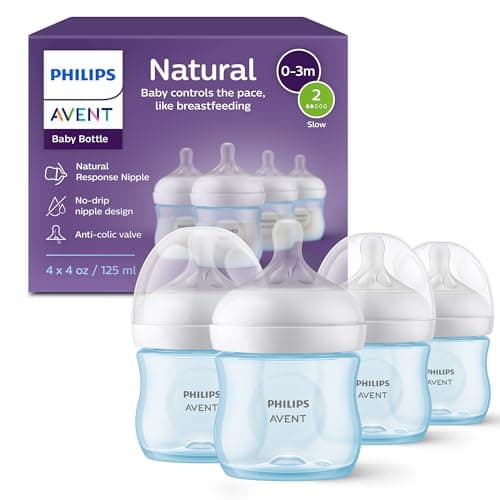
Send the Philips Avent Natural Response. A daycare bottle has one job your home bottle does not: it has to be assembled correctly by a caregiver who has never handled it, in a hurry — and the Avent Natural is three parts with no vent to fit backwards, which is the single most common reason a bottle leaks in a daycare bag. If your baby genuinely needs an anti-colic vent, send the Dr. Brown's Options+ Wide-Neck, the one anti-colic system whose vent lifts out when you want to hand over the simple version.
Our pick
Philips Avent Natural Bottle with Natural Response Nipple
The safest default buy: a wide nipple that only releases milk when the baby actively drinks, inside the biggest parts ecosystem on the shelf.
Buy more than you think. Most centers ask for one labelled, ready-to-feed bottle per expected feed, which for a full day is usually three or four — so starting daycare means owning six to eight bottles, not reusing the four you already have.
#ad Affiliate link · Price as of October 17, 2026
Who should buy something else
- Your baby is gassy and the vent is doing real work. Send the Dr. Brown's Options+ Wide-Neck. Five parts, but the vent removes.
- Your center is tight on fridge space. Send Comotomo. Soft silicone bodies pack into gaps rigid bottles cannot.
- You are buying eight bottles at once and the cost is the problem. Send Tommee Tippee Natural Start, the cheapest honest wide-neck here.
- Your baby refuses every bottle, daycare or not. Solve that first. It is a technique problem before it is a product problem.
Quick picks
Our ranking, with the reasoning underneath. Tap any row to jump to the full write-up.
| # | Product | Best for | Score | Price |
|---|---|---|---|---|
| 1 | Philips Avent Natural Bottle with Natural Response Nipple The safest default buy: a wide nipple that only releases milk when the baby actively drinks, inside the biggest parts ecosystem on the shelf. | Most babies | 8.9 | $26.12$30.99(16% off)View on Amazon #ad Affiliate link · Price as of October 17, 2026 |
| 2 | 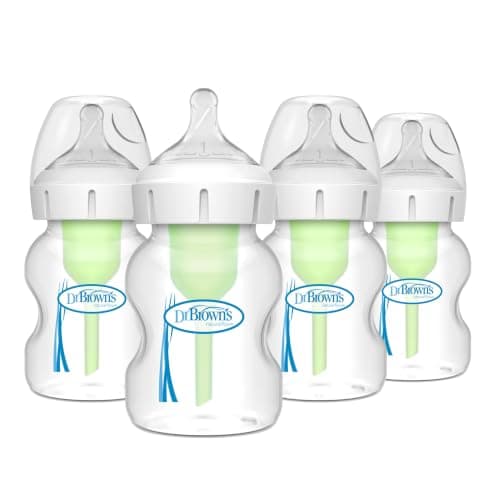 Dr. Brown's Anti-Colic Options+ Wide-Neck Dr. Brown's venting behind a wide, breast-shaped nipple. The compromise pick when your baby is gassy and nursing. | A gassy breastfed baby | 8.7 | $22.12$25.98(15% off)View on Amazon #ad Affiliate link · Price as of October 17, 2026 |
| 3 | 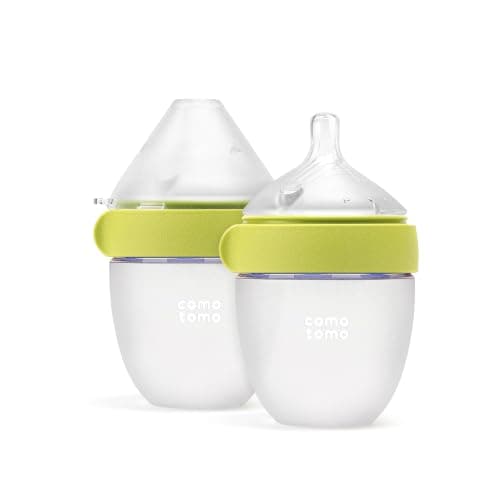 Comotomo Silicone Baby Bottle (Gen 2) The bottle babies take when they have refused everything else: a soft squeezable silicone body and a wide, breast-shaped nipple. | Breastfed babies | 8.8 | $23.99View on Amazon #ad Affiliate link · Price as of October 17, 2026 |
| 4 | 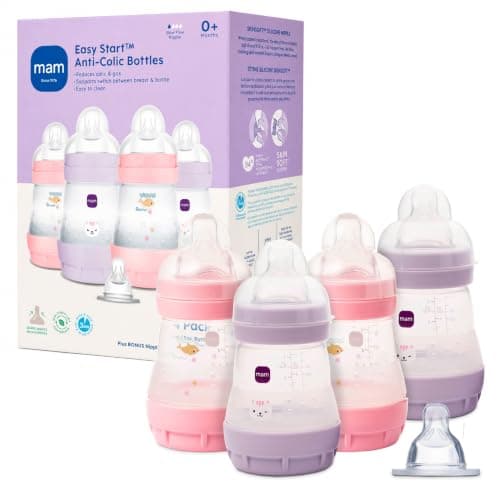 MAM Easy Start Anti-Colic Its base unscrews so the bottle sterilizes itself in a microwave, which is genuinely useful in a hotel room or an office kitchen. | Self-sterilizing | 8.2 | $29.99View on Amazon #ad Affiliate link · Price as of October 17, 2026 |
| 5 | 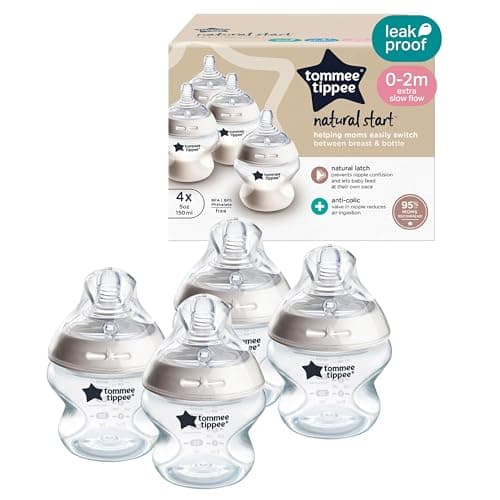 Tommee Tippee Natural Start Anti-Colic The cheapest way to find out whether a wide, soft nipple suits your baby before you commit to a full set. | Trying a wide nipple cheaply | 8.0 | $18.86$22.79(17% off)View on Amazon #ad Affiliate link · Price as of October 17, 2026 |
Scores are our own research scores on the rubric published at how we choose. They are not star ratings from customers, and we do not show a price we cannot verify live.
Every pick, in detail
Product photo from the Amazon listing, not a photograph of our own unit.
Philips Avent Natural Bottle with Natural Response Nipple
Philips Avent
The safest default buy: a wide nipple that only releases milk when the baby actively drinks, inside the biggest parts ecosystem on the shelf.
- Latch
- 9
- Colic control
- 8
- Cleaning
- 9
- Durability
- 9
- Value
- 9
- Material:
- Polypropylene, glass and PPSU versions
- Parts to wash:
- Three
- Nipple shape:
- Wide
- Price tier:
- Mid-range
What works
- Flow-on-demand nipple paces the feed more like nursing
- Bottles, nipples, sippy tops and pump parts all interchange
- Available in plastic, glass and PPSU with the same nipples
What to know first
- Venting is milder than Dr. Brown's for a severely windy baby
- Nipple flow numbering confuses first-time buyers
- Wide base does not fit narrow warmer wells
#ad Affiliate link · Price as of October 17, 2026
Product photo from the Amazon listing, not a photograph of our own unit.
Dr. Brown's Anti-Colic Options+ Wide-Neck
Dr. Brown's
Dr. Brown's venting behind a wide, breast-shaped nipple. The compromise pick when your baby is gassy and nursing.
- Latch
- 9
- Colic control
- 10
- Cleaning
- 6
- Durability
- 9
- Value
- 8
- Material:
- Polypropylene, glass version available
- Parts to wash:
- Five with the vent fitted
- Nipple shape:
- Wide
- Price tier:
- Mid-range
What works
- Wide nipple is easier for a nursing baby to accept than the narrow version
- Same vent system as the narrow Options+
- Easier to hand-wash than the narrow neck
What to know first
- Still five parts with the vent in
- Bulkier in a diaper bag
- Wide bottles fit fewer warmer wells
#ad Affiliate link · Price as of October 17, 2026
Product photo from the Amazon listing, not a photograph of our own unit.
Comotomo Silicone Baby Bottle (Gen 2)
Comotomo
The bottle babies take when they have refused everything else: a soft squeezable silicone body and a wide, breast-shaped nipple.
- Latch
- 10
- Colic control
- 7
- Cleaning
- 9
- Durability
- 7
- Value
- 7
- Material:
- Silicone body, silicone nipple
- Parts to wash:
- Three
- Nipple shape:
- Wide, breast-like
- Price tier:
- Mid-range
What works
- The most widely recommended bottle for bottle-refusing breastfed babies
- Only three parts, and the wide mouth washes by hand easily
- Soft body is easy for small hands to hold later on
What to know first
- Squat shape does not fit every bottle warmer or sterilizer rack
- No internal venting system, so it is not the anti-colic specialist
- Nipples wear faster than hard plastic ones
#ad Affiliate link · Price as of October 17, 2026
Product photo from the Amazon listing, not a photograph of our own unit.
MAM Easy Start Anti-Colic
MAM
Its base unscrews so the bottle sterilizes itself in a microwave, which is genuinely useful in a hotel room or an office kitchen.
- Latch
- 8
- Colic control
- 8
- Cleaning
- 8
- Durability
- 8
- Value
- 9
- Material:
- Polypropylene
- Parts to wash:
- Four
- Nipple shape:
- Wide, vented base
- Price tier:
- Mid-range
What works
- Self-sterilizes in a microwave with a splash of water
- Vented base reduces gas without a long internal straw
- The unscrewing base makes scrubbing easy
What to know first
- One more join means one more place to leak
- Four parts, not three
- Nipple is flatter than the wide breast-shaped designs
#ad Affiliate link · Price as of October 17, 2026
Product photo from the Amazon listing, not a photograph of our own unit.
Tommee Tippee Natural Start Anti-Colic
Tommee Tippee
The cheapest way to find out whether a wide, soft nipple suits your baby before you commit to a full set.
- Latch
- 8
- Colic control
- 7
- Cleaning
- 9
- Durability
- 7
- Value
- 10
- Material:
- Polypropylene, glass version available
- Parts to wash:
- Three
- Nipple shape:
- Wide, squat bottle
- Price tier:
- Budget
What works
- Sold in cheap multi-packs, so trialling is low-risk
- Short, squat bottle is easy to hold one-handed
- Widely stocked in US supermarkets
What to know first
- Venting is basic
- Squat shape fits fewer warmers
- Nipples collapse more readily on a strong suck
#ad Affiliate link · Price as of October 17, 2026
What daycare changes about a bottle
At home you are the only person who assembles the bottle, you know which way the vent goes, and if it leaks you notice within a minute. At daycare none of that is true, so the three criteria that decide this page are not the three that decide the best baby bottles generally.
Part count, multiplied. A four-part bottle sent four times a day is sixteen pieces coming home in a bag every evening, each of which has to be washed, dried and matched back up before tomorrow. A three-part bottle is twelve. That gap is about fifteen minutes a night, which is the real cost of an elaborate anti-colic system you did not actually need.
Assembly by a stranger. Vented bottles leak when the vent is seated wrongly, and the person seating it has eight other bottles to get through. If the range you love has a fiddly insert, send it with the insert out unless your baby needs it.
Labelling that survives. Every center requires a name and a date on every bottle, and most want the milk labelled rather than the bottle, because bottles get swapped. Masking tape and a marker beats any clever label, because it comes off in the wash and goes back on clean.
The five, side by side
| Bottle | Parts per bottle | Material | Why it works at daycare |
|---|---|---|---|
| Philips Avent Natural Response | Three: bottle, nipple, collar (plus cap) | Polypropylene | Nothing to install wrongly, and the widest spares aisle in any store |
| Dr. Brown's Anti-Colic Options+ Wide-Neck | Up to five with the vent insert, three without it | Polypropylene | The vent lifts out, so you can hand over the simple version |
| Comotomo | Three, and the body is one soft piece | Silicone | Squeezes into a bag pocket; the wide mouth washes without a brush |
| MAM Easy Start Anti-Colic | Five, including the vented base | Polypropylene | Self-sterilizes in a microwave, which helps at home, not at daycare |
| Tommee Tippee Natural Start Anti-Colic | Four with the vent, three without | Polypropylene | Cheapest honest way to own eight bottles rather than four |
One pattern worth noticing: the bottles that win at home on feeding performance are not automatically the ones that win here. Dr. Brown's has the strongest anti-colic case in the category and the highest part count in the category, and whether that trade is worth it depends entirely on whether your baby is gassy — which the anti-colic roundup goes into properly.
How many bottles to send, and how to fill them
Send one bottle per expected feed, pre-filled and labelled, plus one spare. Babies between about one and six months typically take somewhere in the region of 24 to 32 ounces a day across all feeds, so a nine-hour day is usually three or four bottles. The AAP's how often and how much should your baby eat is the figure to check your own baby against rather than a rule to apply.
Fill them smaller than you think. Expressed milk a baby does not finish has to be used within a short window or discarded, so three 4oz bottles waste less than two 6oz bottles. Our how much milk should a newborn drink guide has the age-by-age volumes, and how many bottles do I need covers the total you should own once daycare doubles the rotation.
Label with the date the milk was expressed, not the date you are sending it. The CDC storage guidance most centers follow counts from expression: freshly expressed milk keeps about four hours at room temperature and four days in a refrigerator, and milk thawed from frozen has a much shorter window and must never be refrozen. The full table is in how long can breast milk sit out.
What to look for in a daycare bottle
- Three parts, if you can live with three. Bottle, nipple, collar. Every extra component is another thing to lose and another thing to seat wrongly.
- Volume markings that survive the dishwasher. Printed graduations wear off; embossed or deeply moulded ones do not. A caregiver logging intake needs to read the number at the end of the day.
- A wide mouth. Easier to pour into from a storage bag, and easier for whoever washes it to get a brush or a hand inside.
- A flat, solid cap, not a hinged one. Travel caps that hinge open in a bag are how milk ends up in the bottom of a daycare backpack.
- Spares you can buy in a supermarket. Nipples get lost. A range stocked everywhere makes a lost nipple a five-minute problem rather than a two-day one.
- A material your center allows. Many will not accept glass. Check before you buy six of them — glass vs plastic baby bottles covers the trade either way.
Starting daycare without a bottle fight
The bottle itself is rarely the problem. The problem is a breastfed baby who has never taken one being asked to take one from a stranger on day one. Start the handover two to three weeks ahead, let someone other than you give it, and keep the sessions short. Our how to introduce a bottle guide walks through the sequence, and baby won't take a bottle covers what to change when it is already going badly.
Ask the room to use paced bottle feeding and send the slowest nipple your baby feeds well on. A fast nipple in a busy room empties a bottle in four minutes, and a baby who gets used to that pace often starts refusing the breast in the evening. That is a flow-rate problem, not a weaning signal — bottle nipple flow sizes explains how to pick one.
Worth saying plainly
Follow your center's milk-handling policy over anything here — licensed centers work to state rules that are usually stricter than the CDC storage guidance. Never send milk that has already been warmed, never refreeze thawed milk, and label every bottle with your baby's full name and the expression date. Wash and dry all returned parts before reuse, per the CDC cleaning guidance. We are not clinicians, and nothing here is medical advice.
How we chose
Researched, not hands-on, and we do not claim otherwise. Part counts and materials come from the makers' own specification pages, including Philips Avent's Natural Response range and Comotomo; milk-handling rules come from the CDC and feeding volumes from the AAP. Independent hands-on testing of the wider category comes from Mommyhood101. On this page part count and assembly-proofing are weighted heaviest and anti-colic engineering is weighted down, because a daycare room cannot troubleshoot a vent. Rubric: how we choose.
Common questions
How many bottles should I send to daycare?
One per expected feed plus a spare — usually four or five for a full day. Most babies between one and six months take roughly 24 to 32 ounces across a whole day, so a nine-hour daycare day is normally three or four feeds. Pre-fill and label each one rather than sending a large bottle to be divided.
What is the best bottle for daycare?
The one with the fewest parts that your baby already accepts. We would send the Philips Avent Natural Response: three pieces, no vent insert to seat wrongly, clear markings, and replacement nipples stocked in every supermarket. Send a bottle your baby has already fed from at home — daycare is the wrong place for a first try.
Do daycares accept glass baby bottles?
Many do not, and policies vary by state and by center, so ask before buying a set. Where glass is refused, a silicone bottle such as Comotomo is usually the nearest accepted equivalent — soft, no plastic taste, and it survives being dropped on a tiled floor.
How do you label bottles for daycare?
Full name plus the date and time the milk was expressed, on the bottle itself, in writing that survives a fridge. Masking tape and a permanent marker is still the most reliable method because it comes off cleanly in the wash. Label the milk rather than relying on the bottle being recognisable.
Should I send warm or cold bottles to daycare?
Cold, straight from your fridge into an insulated bag with an ice pack. Milk that has already been warmed has a short window before it must be used or discarded, and most centers will not accept it. If your baby will not take cool milk, see how to warm breast milk and practise with cooler milk at home first.
Can daycare use a bottle warmer?
Some do, many do not, and almost none will use one you supply. Most rooms warm a bottle in a jug of warm water, which is the method the CDC describes anyway. Assume your baby needs to accept milk at around room temperature, and practise that at home before the first day.
Sources
- CDC — Breast Milk Storage and Preparation
- CDC — How to Clean, Sanitize, and Store Infant Feeding Items
- American Academy of Pediatrics (HealthyChildren.org) — How Often and How Much Should Your Baby Eat?
- Philips Avent — Natural Response nipple range (five flow levels)
- Comotomo — Natural Feel baby bottle range
- Mommyhood101 — Best Baby Bottles, tested and reviewed