Baby bottles
The best baby bottles for twins in 2026
Two babies is not twice the decision, it is sixteen feeds and up to eighty pieces of plastic a day. Part count stops being a detail and becomes the whole brief.
How this page is funded: if you buy through a link here we may earn an Amazon commission, at no extra cost to you. It never changes which product we put first, and we recommend the cheaper option whenever it is the better one. Full disclosure.
Buy the Philips Avent Natural Response, and buy sixteen of them. With twins the deciding number is not how well a bottle feeds, it is how many pieces it generates: three parts across sixteen feeds is 48 items a day, and five parts is 80. That one difference is roughly half an hour of sink time, every day, for a year. If the cost of sixteen bottles is the problem rather than the washing, buy the Evenflo Balance+ Wide Neck instead — same three-part layout, materially less money.
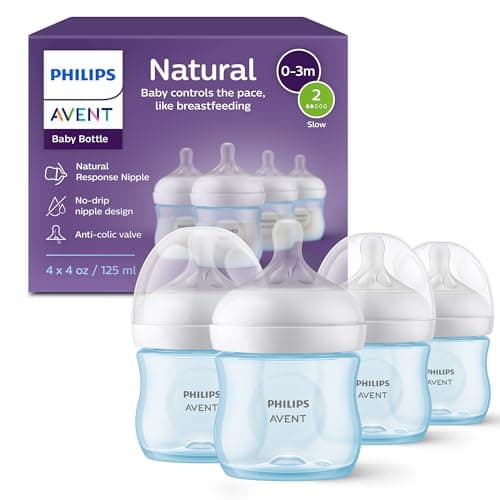
Our pick
Philips Avent Natural Bottle with Natural Response Nipple
The safest default buy: a wide nipple that only releases milk when the baby actively drinks, inside the biggest parts ecosystem on the shelf.
Buy one range, not two. Parents of twins are often advised to try different bottles for each baby. Do that only if one twin has an identified feeding problem — otherwise two systems means two sets of spares, two nipple ladders, and no interchangeable parts at 3am.
#ad Affiliate link · Price as of October 17, 2026
Who should buy something else
- Your twins were premature and came home on a slow flow. Start with a preemie-flow system and move across later.
- You have no dishwasher. Buy Comotomo. The one-piece body turns inside out, so no bottle brush.
- Cupboard space is the real constraint. Buy Nanobebe Flexy. They nest and stack rather than standing in a row.
- You are washing eight-plus bottles a day by hand. A bottle washer stops being a luxury at this volume.
Quick picks
Our ranking, with the reasoning underneath. Tap any row to jump to the full write-up.
| # | Product | Best for | Score | Price |
|---|---|---|---|---|
| 1 | Philips Avent Natural Bottle with Natural Response Nipple The safest default buy: a wide nipple that only releases milk when the baby actively drinks, inside the biggest parts ecosystem on the shelf. | Most babies | 8.9 | $26.12$30.99(16% off)View on Amazon #ad Affiliate link · Price as of October 17, 2026 |
| 2 | 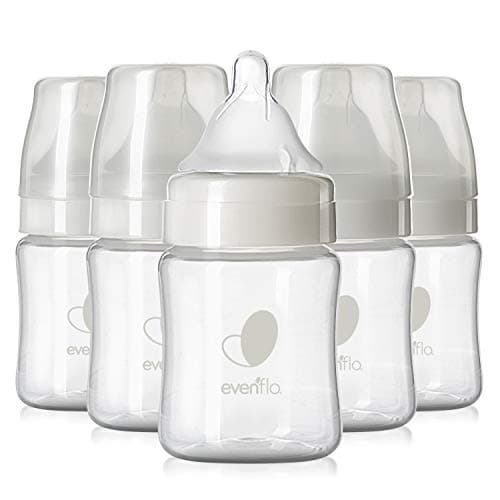 Evenflo Balance+ Wide Neck A wide, nursing-shaped nipple at supermarket prices. The value pick if a breastfed baby only needs a bottle occasionally. | Cheap wide-neck bottles | 7.9 | $24.99$29.99(17% off)View on Amazon #ad Affiliate link · Price as of October 17, 2026 |
| 3 | 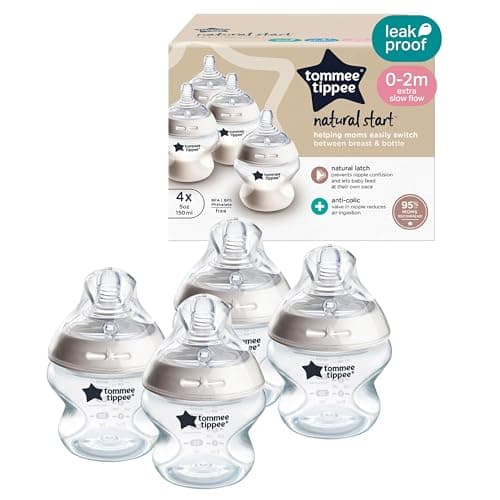 Tommee Tippee Natural Start Anti-Colic The cheapest way to find out whether a wide, soft nipple suits your baby before you commit to a full set. | Trying a wide nipple cheaply | 8.0 | $18.86$22.79(17% off)View on Amazon #ad Affiliate link · Price as of October 17, 2026 |
| 4 | 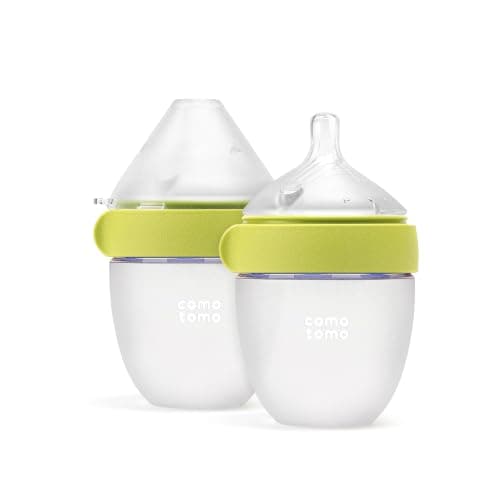 Comotomo Silicone Baby Bottle (Gen 2) The bottle babies take when they have refused everything else: a soft squeezable silicone body and a wide, breast-shaped nipple. | Breastfed babies | 8.8 | $23.99View on Amazon #ad Affiliate link · Price as of October 17, 2026 |
| 5 | 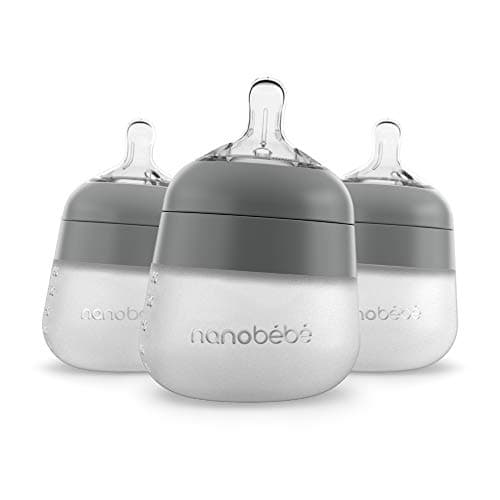 Nanobebe Flexy Silicone Bottle A soft silicone bottle shaped to sit against the body, and one of the easier first bottles for a newborn to accept. | Newborns | 8.2 | $20.99View on Amazon #ad Affiliate link · Price as of October 17, 2026 |
Scores are our own research scores on the rubric published at how we choose. They are not star ratings from customers, and we do not show a price we cannot verify live.
Every pick, in detail
Product photo from the Amazon listing, not a photograph of our own unit.
Philips Avent Natural Bottle with Natural Response Nipple
Philips Avent
The safest default buy: a wide nipple that only releases milk when the baby actively drinks, inside the biggest parts ecosystem on the shelf.
- Latch
- 9
- Colic control
- 8
- Cleaning
- 9
- Durability
- 9
- Value
- 9
- Material:
- Polypropylene, glass and PPSU versions
- Parts to wash:
- Three
- Nipple shape:
- Wide
- Price tier:
- Mid-range
What works
- Flow-on-demand nipple paces the feed more like nursing
- Bottles, nipples, sippy tops and pump parts all interchange
- Available in plastic, glass and PPSU with the same nipples
What to know first
- Venting is milder than Dr. Brown's for a severely windy baby
- Nipple flow numbering confuses first-time buyers
- Wide base does not fit narrow warmer wells
#ad Affiliate link · Price as of October 17, 2026
Product photo from the Amazon listing, not a photograph of our own unit.
Evenflo Balance+ Wide Neck
Evenflo
A wide, nursing-shaped nipple at supermarket prices. The value pick if a breastfed baby only needs a bottle occasionally.
- Latch
- 8
- Colic control
- 7
- Cleaning
- 9
- Durability
- 6
- Value
- 10
- Material:
- Polypropylene
- Parts to wash:
- Three
- Nipple shape:
- Wide
- Price tier:
- Budget
What works
- Cheapest wide nursing-shaped nipple that is widely available
- Three parts and a wide mouth to scrub
- Easy to buy more locally
What to know first
- Build feels less solid than premium bottles
- Fewer nipple flow options
- Markings wear with heavy dishwasher use
#ad Affiliate link · Price as of October 17, 2026
Product photo from the Amazon listing, not a photograph of our own unit.
Tommee Tippee Natural Start Anti-Colic
Tommee Tippee
The cheapest way to find out whether a wide, soft nipple suits your baby before you commit to a full set.
- Latch
- 8
- Colic control
- 7
- Cleaning
- 9
- Durability
- 7
- Value
- 10
- Material:
- Polypropylene, glass version available
- Parts to wash:
- Three
- Nipple shape:
- Wide, squat bottle
- Price tier:
- Budget
What works
- Sold in cheap multi-packs, so trialling is low-risk
- Short, squat bottle is easy to hold one-handed
- Widely stocked in US supermarkets
What to know first
- Venting is basic
- Squat shape fits fewer warmers
- Nipples collapse more readily on a strong suck
#ad Affiliate link · Price as of October 17, 2026
Product photo from the Amazon listing, not a photograph of our own unit.
Comotomo Silicone Baby Bottle (Gen 2)
Comotomo
The bottle babies take when they have refused everything else: a soft squeezable silicone body and a wide, breast-shaped nipple.
- Latch
- 10
- Colic control
- 7
- Cleaning
- 9
- Durability
- 7
- Value
- 7
- Material:
- Silicone body, silicone nipple
- Parts to wash:
- Three
- Nipple shape:
- Wide, breast-like
- Price tier:
- Mid-range
What works
- The most widely recommended bottle for bottle-refusing breastfed babies
- Only three parts, and the wide mouth washes by hand easily
- Soft body is easy for small hands to hold later on
What to know first
- Squat shape does not fit every bottle warmer or sterilizer rack
- No internal venting system, so it is not the anti-colic specialist
- Nipples wear faster than hard plastic ones
#ad Affiliate link · Price as of October 17, 2026
Product photo from the Amazon listing, not a photograph of our own unit.
Nanobebe Flexy Silicone Bottle
Nanobebe
A soft silicone bottle shaped to sit against the body, and one of the easier first bottles for a newborn to accept.
- Latch
- 9
- Colic control
- 7
- Cleaning
- 9
- Durability
- 7
- Value
- 7
- Material:
- Silicone
- Parts to wash:
- Three
- Nipple shape:
- Wide, breast-like
- Price tier:
- Mid-range
What works
- Frequently named a best newborn bottle by review outlets
- Soft body squeezes, which some newborns prefer
- Wide neck is simple to clean
What to know first
- Unusual shape does not fit all sterilizer racks
- No internal vent
- Pricier per bottle than plastic
#ad Affiliate link · Price as of October 17, 2026
The arithmetic nobody does before the babies arrive
Two newborns feed roughly eight times each in twenty-four hours. That is sixteen bottles a day, which is not a cosy exaggeration — it is the number that decides which bottle you should own. Every design decision that costs you ten seconds per bottle costs you nearly three minutes a day, and every extra component costs you sixteen more things to find, wash, dry and reassemble.
This is why the twin answer diverges from the general best-bottles answer. Anti-colic engineering is a real benefit, and a five-part vented bottle is genuinely the right call for a gassy single baby. Across two babies it is a 60% increase in washing-up for a benefit only one of them may need.
| Bottle | Parts each | Pieces to wash per day, two babies, 16 feeds | Where it earns its place |
|---|---|---|---|
| Philips Avent Natural Response | 3 | 48 | Fewest parts in a mainstream range, spares in every store |
| Evenflo Balance+ Wide Neck | 3 | 48 | The cheapest route to sixteen bottles that are not rubbish |
| Tommee Tippee Natural Start | 3 without the vent, 4 with | 48–64 | Budget wide-neck with the vent as an option, not a requirement |
| Comotomo | 3 | 48 | No brush needed — the one-piece body turns inside out to wash |
| Nanobebe Flexy | 3 | 48 | Stacks and nests, which is the whole fight in a twin kitchen |
| A five-part anti-colic system | 5 | 80 | Only if both babies genuinely need the vent |
How many bottles do twins need?
Eight to ten per baby if you are washing once a day, which is the realistic rhythm — so sixteen to twenty in total. Fewer than that and you are washing in the middle of the night, which is the thing the extra bottles are actually buying you. Buy them in 4oz for the first couple of months and add 8oz bottles when the volumes climb, rather than starting large: our baby bottle sizes by age guide has the changeover, and how many bottles do I need has the single-baby version of this count.
Twins are commonly born a little early and a little smaller, and feeding volumes are set by weight and age rather than by birthday. The AAP's how often and how much should your baby eat is the reference to check your own two against; if either twin came home from a NICU, follow the discharge plan over any general figure, and see the best bottles for preemies.
What to look for when you are buying sixteen
- Three parts. Bottle, nipple, collar. This is the whole game. Treat any fourth or fifth component as something that has to earn its place twice over.
- Price per bottle, not price per pack. A four-pack that looks cheap and a six-pack that looks expensive often land in the same place. You are buying four packs either way.
- Dishwasher-basket friendly. Count how many bottles and nipples fit in one basket load. A bottle that only fits upside-down on the top rack will quietly cost you an extra cycle a day.
- Nests or stacks. Sixteen rigid bottles is most of a cupboard shelf. Bottles that nest, or short squat bottles, buy back space you will otherwise lose.
- One nipple ladder, widely stocked. Both babies will not move up flow levels at the same time. You want a range where the next level is on a supermarket shelf, not a two-week order — bottle nipple flow sizes explains the ladder.
- Colour-codeable. Two babies, two intakes to track, often two different volumes. Coloured collars or a dot of nail varnish on the base saves more confusion than any app.
The washing is the real purchase
At sixteen bottles a day the thing that changes your life is not the bottle, it is what washes it. A dishwasher with a dedicated basket handles it. Without one, hand-washing 48 pieces a day is close to an hour at the sink, and this is the one volume at which a countertop bottle washer genuinely pays for itself — see the best bottle washers and how to wash baby bottles for the routine itself.
Sterilizing is a separate question and a much smaller one. Per the CDC, feeding items must be cleaned after every use, but daily sanitizing matters mainly for babies under two months, babies born prematurely, or babies with a weakened immune system — a group twins fall into more often than singletons, which is worth knowing before you decide. Our how often to sterilize bottles guide covers where the line sits, and a large-basket sterilizer-dryer is the format that suits twins, covered in the best bottle sterilizers.
Feeding two at once, practically
Most twin parents end up tandem-feeding at some point, with both babies propped at an angle in a twin pillow or two bouncers and a bottle in each hand. Two things follow from that. First, bottle shape matters more than usual: a bottle you can hold securely in one hand at an angle beats a fatter, prettier one. Second, never prop a bottle unattended against a cushion or a rolled towel to free a hand — that is a choking and ear infection risk, and it is the single most common shortcut in twin households.
If you are combining nursing and bottles, the twin version of that problem has its own page in the best bottles for combination feeding, and the pumping half is in the best breast pumps for twins.
Worth saying plainly
Never prop a bottle. Hold your baby, or if you are feeding two at once, support both babies in a seat or pillow and keep a hand on each bottle. Follow the CDC milk storage guidance and label which milk is for which baby if either twin has different feeding instructions. If either twin was born prematurely or came home from a NICU, your discharge feeding plan overrides anything on this page. We are not clinicians, and nothing here is medical advice.
How we chose
Researched, not hands-on, and we do not claim otherwise. Part counts and materials come from the makers' own specification pages, including the Philips Avent Natural Response range, Comotomo and Nanobebe Flexy; cleaning and feeding guidance comes from the CDC and the AAP. Independent hands-on testing of the wider category comes from Mommyhood101. On this page part count, price per bottle and storage footprint are weighted heaviest, and anti-colic engineering is weighted down unless both babies need it. Rubric: how we choose.
Common questions
How many bottles do you need for twins?
Sixteen to twenty, assuming you wash once a day. Two newborns feed roughly eight times each in twenty-four hours, so anything under about eight bottles per baby means washing overnight. Start with 4oz bottles and add 8oz ones as volumes grow.
What is the best bottle for twins?
A three-part bottle from a widely stocked range, bought in bulk. We would buy the Philips Avent Natural Response: three pieces, so 48 items a day rather than 80, and spare nipples on every supermarket shelf. The Evenflo Balance+ is the same shape of answer for less money.
Should twins use the same bottles?
Yes, unless one twin has an identified feeding problem the other does not. One range means one set of spares, one nipple ladder and fully interchangeable parts, which matters far more at 3am than any small per-baby optimisation. Colour-code the collars rather than buying two systems.
Can you feed twins at the same time with bottles?
Yes, and most twin parents do. Support both babies at an angle in a twin feeding pillow or two seats and hold a bottle in each hand. Never prop a bottle against a cushion to free a hand — propping is a choking risk and is associated with ear infections.
Do you need a bottle washer for twins?
If you have no dishwasher, it is the single most useful appliance you can buy. Sixteen three-part bottles is 48 pieces a day, which is close to an hour at the sink. With a dishwasher and a dedicated basket, a washer is optional — the best bottle washers has the comparison.
Do twins need anti-colic bottles?
Only if they are gassy, and often only one of them is. A five-part vented bottle adds 32 extra pieces to wash a day across two babies. Start with a simple three-part bottle and move one twin, not both, if the symptoms justify it.
Sources
- CDC — How to Clean, Sanitize, and Store Infant Feeding Items
- CDC — Breast Milk Storage and Preparation
- American Academy of Pediatrics (HealthyChildren.org) — How Often and How Much Should Your Baby Eat?
- Philips Avent — Natural Response nipple range (five flow levels)
- Comotomo — Natural Feel baby bottle range
- Nanobebe — Flexy silicone baby bottle specification
- Mommyhood101 — Best Baby Bottles, tested and reviewed