Baby bottles
Philips Avent alternatives: what else does the same job
Avent is the default for a reason - one nipple family across plastic, glass and PPSU, sold everywhere. If you want something else, the question is which part of that you are giving up.
How this page is funded: if you buy through a link here we may earn an Amazon commission, at no extra cost to you. It never changes which product we put first, and we recommend the cheaper option whenever it is the better one. Full disclosure.
Buy the Dr. Brown's Anti-Colic Options+ Wide-Neck. It is the closest like-for-like swap: the same wide, breast-shaped nipple a nursing baby will usually accept, inside the next-biggest parts range in the US — and it fixes the one thing Avent buyers most often complain about, which is that Avent's venting is mild for a genuinely windy baby. Dr. Brown's vent has the deepest evidence base in the category, and it comes out again once colic settles. The budget pick is the Evenflo Balance+ Wide Neck, the cheapest widely stocked bottle with a wide nursing-shaped nipple.
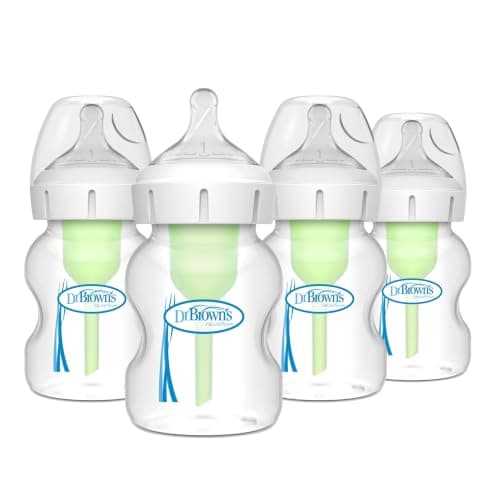
The closest match
Dr. Brown's Anti-Colic Options+ Wide-Neck
Dr. Brown's venting behind a wide, breast-shaped nipple. The compromise pick when your baby is gassy and nursing.
If what you actually want to replace is the nipple rather than the bottle, do not buy a new system at all. Avent's Natural Response nipple comes in five flow levels and fits the plastic, glass and PPSU bodies you already own — the cheapest useful change in this whole category.
#ad Affiliate link · Price as of November 28, 2026
Who should buy something else
- Your baby has refused every hard bottle. Buy the Comotomo: soft squeezable silicone, a very wide nipple.
- Latch is the whole problem. Buy the Pigeon PPSU, whose nipple is most often called closest to nursing.
- You need to sterilize in a hotel room or an office kitchen. Buy the MAM Easy Start. The base unscrews and it self-sterilizes in a microwave.
- The problem is that Avent bottles do not fit your warmer. A narrow bottle fits every warmer well there is.
Quick picks
Our ranking, with the reasoning underneath. Tap any row to jump to the full write-up.
| # | Product | Instead of Avent if | Score | Price |
|---|---|---|---|---|
| 1 | Dr. Brown's Anti-Colic Options+ Wide-Neck Dr. Brown's venting behind a wide, breast-shaped nipple. The compromise pick when your baby is gassy and nursing. | A gassy breastfed baby | 8.7 | $24.99View on Amazon #ad Affiliate link · Price as of November 28, 2026 |
| 2 | 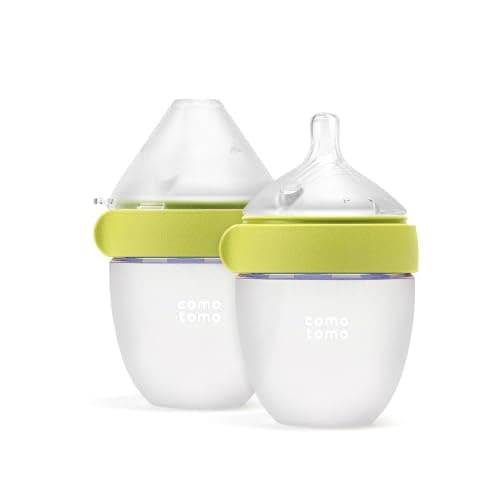 Comotomo Silicone Baby Bottle (Gen 2) The bottle babies take when they have refused everything else: a soft squeezable silicone body and a wide, breast-shaped nipple. | Breastfed babies | 8.8 | $18.95$23.99(21% off)View on Amazon #ad Affiliate link · Price as of November 28, 2026 |
| 3 | 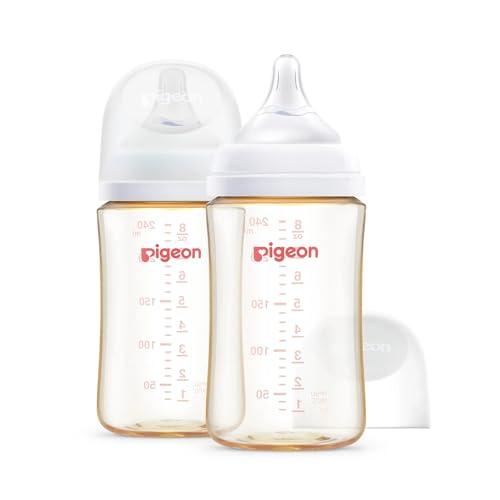 Pigeon PPSU Wide-Neck Bottle The nipple most often described as closest to nursing, on a PPSU body that survives daily sterilizing without clouding. | Nipple feel | 8.7 | $28.79$35.99(20% off)View on Amazon #ad Affiliate link · Price as of November 28, 2026 |
| 4 | 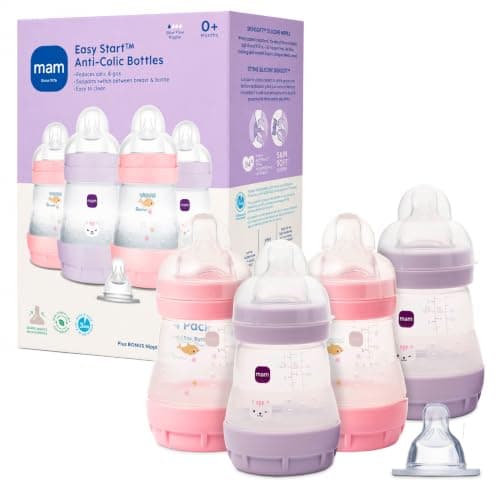 MAM Easy Start Anti-Colic Its base unscrews so the bottle sterilizes itself in a microwave, which is genuinely useful in a hotel room or an office kitchen. | Self-sterilizing | 8.2 | $23.99$29.99(20% off)View on Amazon #ad Affiliate link · Price as of November 28, 2026 |
| 5 | 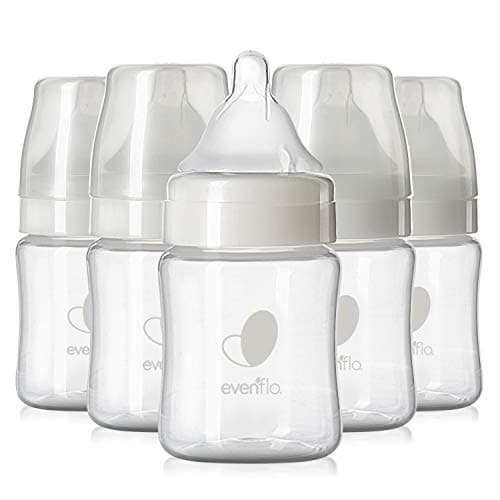 Evenflo Balance+ Wide Neck A wide, nursing-shaped nipple at supermarket prices. The value pick if a breastfed baby only needs a bottle occasionally. | Cheap wide-neck bottles | 7.9 | $24.99$29.99(17% off)View on Amazon #ad Affiliate link · Price as of November 28, 2026 |
Scores are our own research scores on the rubric published at how we choose. They are not star ratings from customers, and we do not show a price we cannot verify live.
Every pick, in detail
Product photo from the Amazon listing, not a photograph of our own unit.
Dr. Brown's Anti-Colic Options+ Wide-Neck
Dr. Brown's
Dr. Brown's venting behind a wide, breast-shaped nipple. The compromise pick when your baby is gassy and nursing.
- Latch
- 9
- Colic control
- 10
- Cleaning
- 6
- Durability
- 9
- Value
- 8
- Material:
- Polypropylene, glass version available
- Parts to wash:
- Five with the vent fitted
- Nipple shape:
- Wide
- Price tier:
- Mid-range
What works
- Wide nipple is easier for a nursing baby to accept than the narrow version
- Same vent system as the narrow Options+
- Easier to hand-wash than the narrow neck
What to know first
- Still five parts with the vent in
- Bulkier in a diaper bag
- Wide bottles fit fewer warmer wells
#ad Affiliate link · Price as of November 28, 2026
Product photo from the Amazon listing, not a photograph of our own unit.
Comotomo Silicone Baby Bottle (Gen 2)
Comotomo
The bottle babies take when they have refused everything else: a soft squeezable silicone body and a wide, breast-shaped nipple.
- Latch
- 10
- Colic control
- 7
- Cleaning
- 9
- Durability
- 7
- Value
- 7
- Material:
- Silicone body, silicone nipple
- Parts to wash:
- Three
- Nipple shape:
- Wide, breast-like
- Price tier:
- Mid-range
What works
- The most widely recommended bottle for bottle-refusing breastfed babies
- Only three parts, and the wide mouth washes by hand easily
- Soft body is easy for small hands to hold later on
What to know first
- Squat shape does not fit every bottle warmer or sterilizer rack
- No internal venting system, so it is not the anti-colic specialist
- Nipples wear faster than hard plastic ones
#ad Affiliate link · Price as of November 28, 2026
Product photo from the Amazon listing, not a photograph of our own unit.
Pigeon PPSU Wide-Neck Bottle
Pigeon
The nipple most often described as closest to nursing, on a PPSU body that survives daily sterilizing without clouding.
- Latch
- 10
- Colic control
- 8
- Cleaning
- 9
- Durability
- 9
- Value
- 6
- Material:
- PPSU
- Parts to wash:
- Three
- Nipple shape:
- Wide
- Price tier:
- Premium
What works
- PPSU tolerates repeated sterilizing better than polypropylene
- Nipple is widely praised for latch
- Light for a premium bottle
What to know first
- Most expensive plastic bottle here
- The amber tint of PPSU looks stained even when clean
- Smaller US accessory range than Avent
#ad Affiliate link · Price as of November 28, 2026
Product photo from the Amazon listing, not a photograph of our own unit.
MAM Easy Start Anti-Colic
MAM
Its base unscrews so the bottle sterilizes itself in a microwave, which is genuinely useful in a hotel room or an office kitchen.
- Latch
- 8
- Colic control
- 8
- Cleaning
- 8
- Durability
- 8
- Value
- 9
- Material:
- Polypropylene
- Parts to wash:
- Four
- Nipple shape:
- Wide, vented base
- Price tier:
- Mid-range
What works
- Self-sterilizes in a microwave with a splash of water
- Vented base reduces gas without a long internal straw
- The unscrewing base makes scrubbing easy
What to know first
- One more join means one more place to leak
- Four parts, not three
- Nipple is flatter than the wide breast-shaped designs
#ad Affiliate link · Price as of November 28, 2026
Product photo from the Amazon listing, not a photograph of our own unit.
Evenflo Balance+ Wide Neck
Evenflo
A wide, nursing-shaped nipple at supermarket prices. The value pick if a breastfed baby only needs a bottle occasionally.
- Latch
- 8
- Colic control
- 7
- Cleaning
- 9
- Durability
- 6
- Value
- 10
- Material:
- Polypropylene
- Parts to wash:
- Three
- Nipple shape:
- Wide
- Price tier:
- Budget
What works
- Cheapest wide nursing-shaped nipple that is widely available
- Three parts and a wide mouth to scrub
- Easy to buy more locally
What to know first
- Build feels less solid than premium bottles
- Fewer nipple flow options
- Markings wear with heavy dishwasher use
#ad Affiliate link · Price as of November 28, 2026
What Philips Avent is actually known for
Three things, and each alternative below replaces a different one, so it is worth naming them before swapping anything.
The ecosystem, which is the real product. This is why Avent is the default recommendation on so many lists, including ours. One nipple family fits the plastic, glass and PPSU bodies, so you can switch material without switching nipple. Sippy tops, handles and pump parts interchange with the same bottles. The nipples are sold in 2-packs and 4-packs in essentially every store that sells bottles in the US. Nothing else on this page comes close to that, and if you have already bought into it, the cost of leaving is higher than the price of one bottle.
The flow-on-demand nipple. The Natural Response nipple releases milk only while the baby is actively drinking, so a pause stops the flow rather than letting it trickle into their mouth. That is a genuinely different feeding experience from a nipple that drips on its own, and it is the single feature most responsible for Avent's reputation with breastfed babies.
Five flow levels that are easy to buy. Extra slow through extra fast, all fitting the same bodies. The numbering confuses first-time buyers — that is a fair criticism — but the ladder itself is long and stocked.
We rate it. The Natural Response wins our overall bottle ranking, and Avent products appear across our wide-neck picks, our glass picks and our warmer picks. Nothing here is a complaint about the brand. People look for alternatives for three specific, practical reasons.
| Which Avent | Alternative | What it matches on | What you give up |
|---|---|---|---|
| Natural Response bottle | Dr. Brown's Options+ Wide-Neck | A wide breast-shaped nipple, in the next-biggest US parts range | Three parts becomes five with the vent fitted |
| Natural Response bottle | Comotomo | A very wide nipple, and three parts to wash | Avent's accessory range; the squat shape fits fewer warmers |
| Natural Response bottle | Pigeon PPSU Wide-Neck | Nipple feel — the one most often called closest to nursing | A much smaller US accessory range |
| Natural Response bottle, on price | Evenflo Balance+ Wide Neck | A wide nursing-shaped nipple at supermarket prices | Build quality and the number of nipple flow options |
| Anywhere you need to sterilize on the move | MAM Easy Start Anti-Colic | A wide vented bottle | Nothing below slow flow is published |
| Soothie, pacifiers, baby monitors | Not covered | — | Product classes this site does not stock |
What this page covers, and what it does not
Philips Avent makes a very wide range, so “Avent alternative” is several different questions. This page answers the ones inside what this site covers: the Natural Response bottles in plastic and glass, the Anti-colic with AirFree vent, the Natural Response nipple, the Premium Fast bottle warmer and the manual breast pump.
It does not cover Soothie or Avent pacifiers, and it does not cover Avent baby monitors. Those are product classes this site does not stock, so there is nothing we have verified to recommend and we are not going to guess at one. If that is what you came for, this is the wrong page and we would rather say so than pad the list.
If the objection is venting
The most common technical reason to leave Avent, and a fair one. Avent's approach is a valve in the nipple rather than a vent tube inside the milk, which is mild compared with a full anti-colic system. For most babies that is plenty. For a genuinely windy one it is not, and no amount of changing flow level fixes it.
Dr. Brown's Options+ Wide-Neck is the answer and the pick on this page. It keeps the wide breast-shaped nipple that made Avent work for your baby in the first place, and puts the vent system with the strongest evidence base in the category behind it. The flow ladder runs from Preemie upward, which is longer at the slow end than Avent's. And because the vent is removable, the bottle gets simpler as your baby gets older rather than staying complicated forever — five parts with the vent in, three without.
The honest cost is washing. Five parts per bottle is genuinely more work, and the vent will leak if you over-tighten or over-fill the bottle, which is a technique problem rather than a defect. The two go head to head on Dr. Brown's vs Philips Avent, and the wider category is on the best anti-colic bottles.
If the objection is the bottle itself
Two versions of this, and they point at different bottles.
Your baby will not take a hard bottle. Then the thing to change is the material, not the brand. Comotomo is a squeezable silicone body with a very wide nipple mound and dual anti-colic vents built into the nipple itself, so there is no separate vent part — three pieces total. It is the bottle most often recommended for refusers, and the reasoning is sound: a soft body plus a very wide mound asks a baby to open and latch rather than purse. The trade is a short accessory range and a squat shape that does not fit every warmer or sterilizer rack. More on both in Comotomo alternatives and the best bottles for bottle refusal.
Latch is the specific problem. Then Pigeon PPSU Wide-Neck is worth trying. Its nipple is the one most often described as closest to nursing, which is exactly the variable in play, and the PPSU body survives daily sterilizing without clouding. The amber tint of PPSU looks stained even when it is perfectly clean, and the US accessory range is small — so this trades a huge ecosystem for a nipple.
If the objection is price, or the warmer well
Evenflo Balance+ Wide Neck is the budget answer: a wide, nursing-shaped nipple at supermarket prices, three parts, and easy to restock locally. The build feels less solid and there are fewer flow options, which is exactly what you would expect at the price. For a breastfed baby who only needs a bottle occasionally, that is the right amount of bottle to buy — and the rest of that end of the market is on the best baby bottles under $25.
The other practical complaint is physical rather than financial: Avent's wide base does not fit narrow warmer wells. If you already own a warmer you are not replacing, the fix is a slim bottle rather than a different wide one — the best narrow-neck baby bottles ranks that whole category, and our warmer picks note which units take wide and squat bottles.
MAM Easy Start is the outlier worth knowing about: its base unscrews so the bottle sterilizes itself in a microwave with a splash of water, which nothing else in our registry does and which is genuinely useful in a hotel room or an office kitchen. It is four parts rather than three, one more join is one more place to leak, and MAM publishes nothing below slow flow — so it is not the pick for a very small baby.
The Avent accessories, and what replaces them
The Natural Response nipple. Before replacing anything, consider that this is often the only part you actually want to change. Five flow levels, fits the plastic, glass and PPSU bodies you already own, sold almost everywhere. If your baby has started fussing at feeds, changing the flow level is far more likely to fix it than changing brand — see bottle nipple flow sizes and the best bottle nipples, where the cross-brand options are ranked.
The Premium Fast bottle warmer. It circulates warm water rather than blasting steam, picks its own setting, and Philips states it warms in as few as three minutes. Its limit is the same as the bottles: very wide or squat bottles do not fit. The alternatives, including one that also sterilizes, are on the best bottle warmers and the best bottle warmers under $50.
The Avent manual pump. Its one real advantage is that it screws straight onto the Avent bottles you already own, which removes a decanting step — an advantage that disappears the moment you leave the system. If you are switching bottles anyway, the manual pumps are ranked against each other on the best manual breast pumps.
The one Avent product with no real equivalent
Worth saying plainly, because it is the thing that will pull you back: the Natural Response range is the only one in our registry where the same nipple fits a polypropylene body, a borosilicate glass body and a PPSU body. That sounds like a detail until you try to use it.
It means you can start on cheap plastic while you find out whether your baby accepts the nipple at all, move to glass at home once you know, keep lightweight plastic in the diaper bag, and never re-run the acceptance experiment — because the only part the baby interacts with never changed. Every other brand here makes you choose a material and live with it, or switch nipple shape when you switch material.
Dr. Brown's comes closest: its Options+ range exists in plastic and in borosilicate glass with the same nipples, which is why it is our pick on this page. Nobody else in this registry offers the third material. If mixing materials across the day is actually how you feed, that is a genuine reason to stay — and the glass options are compared on the best glass baby bottles and glass vs plastic baby bottles.
Before you switch systems at all
Switching bottle brands is more expensive than it looks, because you are not replacing one bottle — you are replacing the nipples, the lids, the travel caps and whatever sippy-stage parts you had planned to grow into. Two checks first, both cheaper.
- Change the flow level before the brand. A nipple that is too fast makes a baby gulp, choke and pull away; too slow and they tire and give up. It is the variable people change last and should change first.
- Change who offers the bottle, and when. A breastfed baby refusing a bottle from the person who nurses them is the most common version of this problem, and no bottle on this page fixes it. The technique is in baby won't take a bottle and paced bottle feeding.
If you have done both and it is still wrong, switching is entirely reasonable — and buy two of the new brand, not eight. Babies reject nipple shapes for no discoverable reason, and a rejected six-pack costs more than any single bottle here. The arithmetic for a full set, once you know what yours will take, is in how many bottles do I need.
Worth saying plainly
Wash bottles and nipples after every feed and sterilize according to your baby's age and health, per CDC guidance on cleaning feeding items. Nipples do not interchange between brands even when they look similar — a nipple that does not seat properly leaks and can detach, which is a choking risk. Replace any nipple that is swollen, sticky, discolored or torn, and never widen a nipple hole yourself. Never heat milk in a microwave; it heats unevenly and scalds. A baby refusing all feeds or showing fewer wet diapers is a same-day call to your pediatrician, not a shopping decision. We are not clinicians and nothing here is medical advice.
How we chose
Researched, not hands-on, and labeled that way on every card. Everything stated about Avent comes from Philips Avent's own product pages, including the Natural Response nipple and the AirFree vent, and where Philips publishes no figure we say so rather than inferring one. The alternatives are existing registry products, each matched to a named Avent strength or undercutting it on price, with specifications from Dr. Brown's and Comotomo; cleaning requirements from the CDC; material guidance from the FDA; independent hands-on testing of the category from Mommyhood101. Nipple shape and venting are weighted heaviest here, with accessory range second. Rubric: how we choose.
Common questions
What is the best alternative to Philips Avent bottles?
The Dr. Brown's Anti-Colic Options+ Wide-Neck. It keeps the wide breast-shaped nipple and adds much stronger venting, inside the next-biggest parts range in the US. Buy the Comotomo instead if your baby has refused hard bottles.
Is Dr. Brown's better than Philips Avent?
Better at venting, worse at washing up. Dr. Brown's vent has the deepest evidence base for reducing swallowed air and adds two parts per bottle; Avent gives you three parts and the biggest accessory ecosystem. The head-to-head is Dr. Brown's vs Philips Avent.
What is a cheaper alternative to Philips Avent?
The Evenflo Balance+ Wide Neck, which gives you a wide nursing-shaped nipple at supermarket prices. You give up build quality and the number of flow options, which is a fair trade if a bottle is only occasional.
Do other brands' nipples fit Avent bottles?
No. Nipples are brand-specific even when the necks look similar, and a nipple that does not seat properly leaks and can come loose. If you want to change only the nipple, stay within the Avent range — it has five flow levels across all its bodies.
Is there an alternative to the Avent Soothie or Avent monitors?
Not from us. We cover feeding gear, so pacifiers and baby monitors are outside what this site stocks and we have nothing verified to recommend there.
My Avent bottles do not fit my warmer. What should I buy?
A narrow-necked bottle, rather than a different wide one — slim bodies fit every warmer well, cup holder and sterilizer rack. See the best narrow-neck baby bottles.
Sources
- Philips Avent — Natural Response nipple range (five flow levels)
- Philips Avent — Anti-colic bottle with AirFree vent
- Dr. Brown's — Natural Flow Wide-Neck silicone bottle nipple specification
- Comotomo — Natural Feel baby bottle range
- CDC — How to Clean, Sanitize, and Store Infant Feeding Items
- FDA — Bisphenol A (BPA): Use in Food Contact Application
- Mommyhood101 — Best Baby Bottles, tested and reviewed