Warmers & sterilizers
Baby Brezza vs Papablic: which bottle washer should you buy?
Eight bottles in twelve minutes against four bottles and HEPA-filtered drying. Capacity decides it for most people - and plenty of people need neither.
How this page is funded: if you buy through a link here we may earn an Amazon commission, at no extra cost to you. It never changes which product we put first, and we recommend the cheaper option whenever it is the better one. Full disclosure.
The short answer
Buy the Papablic SafeguardPlus if you are washing a full day of bottles, and the Baby Brezza Bottle Washer Pro if counter space is the constraint. Papablic states 8 bottles and a 12-minute wash; Baby Brezza states up to 4 bottles plus pump parts, a 19-minute wash and rinse, and a full wash-sterilize-dry in 90 minutes, with HEPA-filtered drying and removable clean and dirty water tanks. Capacity is the row that decides it — a washer you have to run twice is a washer that has not saved you anything. And before either: if you own a dishwasher with a sanitize or heated dry cycle, the CDC says that needs no separate sterilizing step at all, and these machines are a convenience purchase rather than a hygiene one.
Quick picks
Our ranking, with the reasoning underneath. Tap any row to jump to the full write-up.
| # | Product | Best for | Score | Price |
|---|---|---|---|---|
| 1 | 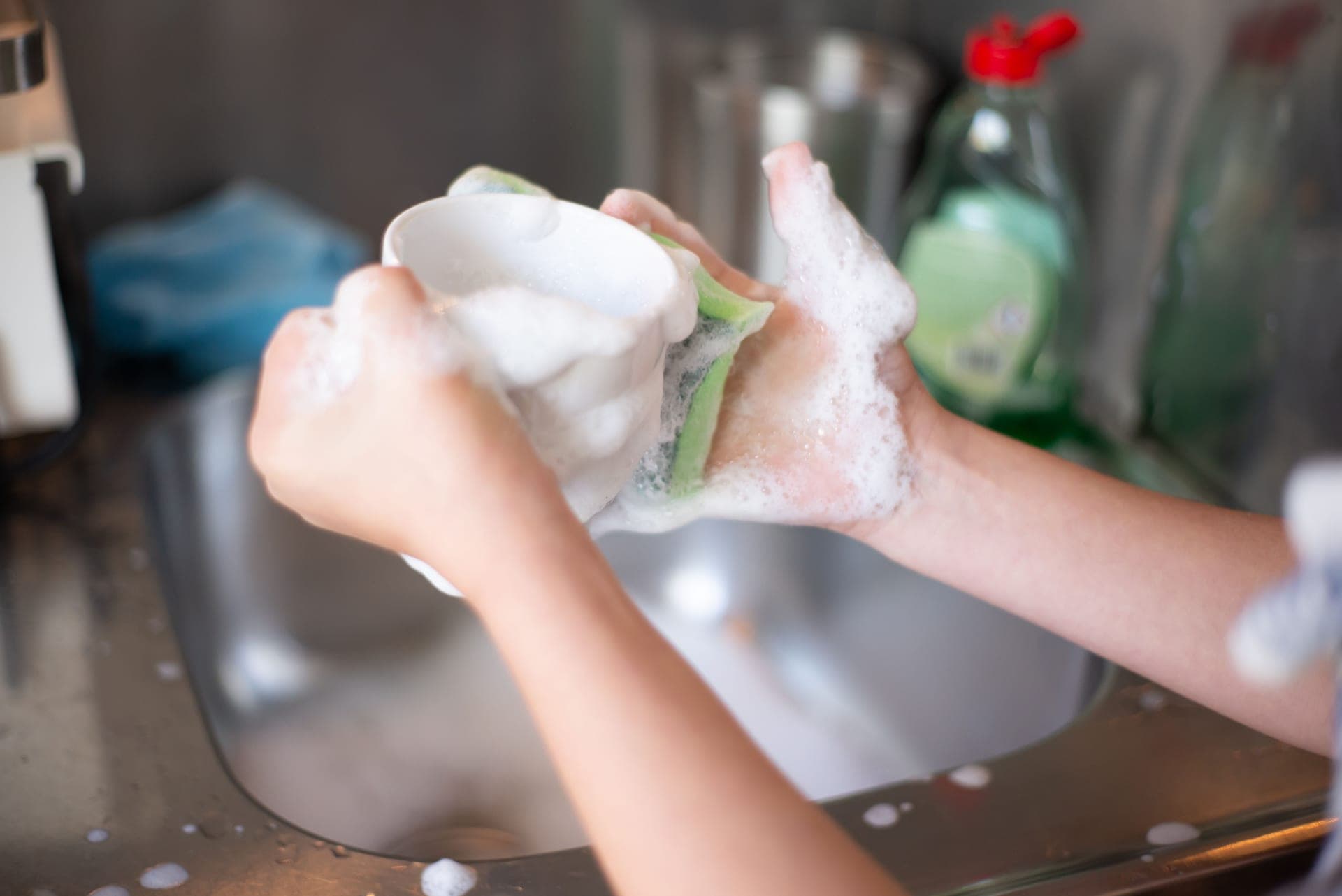 Papablic SafeguardPlus Bottle Washer Washes, sterilizes and dries in one machine, with the capacity to actually clear a day of bottles. That is the only reason to buy this category. | Washers, overall | 8.5 | Check price on Amazon #ad Affiliate link · We show no price until we can verify it live |
| 2 | Baby Brezza Bottle Washer Pro The washer to pick if counter space is the constraint: smaller loads, smaller footprint, the same one-button routine. | Small kitchens | 7.8 | Check price on Amazon #ad Affiliate link · We show no price until we can verify it live |
| 3 |  Baby Brezza Bottle Sterilizer and Dryer Advanced Sterilizes and dries a full load of bottles plus pump parts in one cycle, which is the only version of this job worth paying for. | Sterilizers, overall | 8.7 | Check price on Amazon #ad Affiliate link · We show no price until we can verify it live |
Scores are our own research scores on the rubric published at how we choose. They are not star ratings from customers, and we do not show a price we cannot verify live.
Side by side
| What matters | Papablic SafeguardPlus | Baby Brezza Bottle Washer Pro |
|---|---|---|
| Bottle capacity | Stated as 8 bottles | Stated as "up to 4 bottles, pump parts, sippy cups, and accessories" |
| Wash time | Stated as a 12-minute wash | Stated as washing and rinsing in 19 minutes |
| Full wash, sterilize and dry | Not published as a single figure | Stated as 90 minutes |
| What it does | Described as 5-in-1: filter, wash, sterilize, dry and store, with a built-in water purification stage | 6 settings: wash, sterilize and dry; wash and dry; sterilize and dry; wash only; sterilize only; dry only |
| Washing mechanism | Jet wash with the filtration stage ahead of it | Stated as 20 high-pressure spray jets, inside and out |
| Drying | Included in the 5-in-1 cycle | Stated as HEPA-filtered air |
| Sterile storage after the cycle | Stated as 72 hours | Stated as 72 hours |
| Water handling | Built-in purification | Removable clean and dirty water tanks |
| Counter footprint | The larger of the two | The smaller of the two |
| Price tier | Premium | Premium |
The blanks are honest. Papablic does not publish a single end-to-end figure for wash, sterilize and dry the way Baby Brezza publishes 90 minutes, so the table says so rather than adding the stages up and presenting the total as the maker's.
First: who actually needs a bottle washer
This is the most expensive category on this site and the one where the honest answer is most often no. Per CDC guidance on cleaning, sanitizing and storing infant feeding items, the requirement is to clean items after every use, and to sanitize daily only if your baby is under two months old, was born prematurely, or has a weakened immune system. A dishwasher run with hot water and a heated drying or sanitizing setting is itself a sanitizing method.
So a washer buys you labor, not safety. There are three situations where that labor is worth real money, and they are specific:
- You are exclusively pumping. A pump set is six to ten small parts, several times a day, and the sink becomes the thing that limits your day. This is the strongest case in the category.
- Twins, or a full day of formula feeds. Every feed is a bottle, so you are running the whole set daily — see best bottles for formula feeding for why the count matters.
- You have no dishwasher. Then the comparison is against hand-washing, and these machines look very different.
If none of those is you, the money is better spent elsewhere. The full argument is in best bottle washers and bottle sterilizer vs dishwasher, and if you only want the sterilizing rather than the washing, do I need a bottle sterilizer is the cheaper conversation.
Capacity is the row that decides it
Eight bottles against four is not a small difference, because the whole value of the category is clearing a day in one go. If your day is eight bottles and the machine takes four, you are running two cycles, loading twice and waiting twice — which is most of the convenience gone.
Papablic's stated 8-bottle capacity and 12-minute wash is why it leads our wider washer ranking, and it is the more capable machine on paper. Baby Brezza's stated 4 bottles plus pump parts is a genuine constraint, and the honest version is that it suits a household using a handful of bottles a day rather than a full set.
Honest cons on the Papablic: it is the most expensive item recommended anywhere on this site and it takes a lot of counter. If you use two bottles a day it is straightforwardly overkill, and the capacity you paid for sits idle.
Honest cons on the Baby Brezza: lower capacity than the Papablic, and a full wash-sterilize-dry is stated at 90 minutes, which is an overnight-only cycle rather than something you run between feeds. It is also still expensive for what it is.
Drying, and why it is the half worth paying for
If you take one thing from this page: in this category the drying is the feature, not the sterilizing. Sterilizing is available free from a pan of boiling water or a dishwasher cycle. Getting ten small pump parts bone dry without handling them is the job that is genuinely annoying to do by hand, and a damp valve seals badly — which reads to you as a pump that has lost suction rather than as a wet part (why is my breast pump not suctioning).
Baby Brezza states HEPA-filtered air drying and 72-hour sterile storage inside the unit. Papablic also states 72-hour storage, with drying included in its 5-in-1 cycle. Both are doing the right job; Baby Brezza is the one that names its filter.
One CDC detail that applies to either machine and is routinely skipped: after sanitizing, items should be placed "on a clean, unused dish towel or paper towel in an area protected from dirt and dust" and allowed to air-dry thoroughly before storing. A unit that keeps contents sterile with the lid shut doubles as exactly that protected space — which is a real, if unglamorous, argument for the 72-hour storage both of these advertise. The parts side of this is in best sterilizers for breast pump parts.
Water: purification against two removable tanks
A small row that matters more than it looks. Papablic describes a built-in water purification stage ahead of the wash. Baby Brezza takes the other approach: removable clean and dirty water tanks, which it frames as being able to use the machine anywhere rather than next to a tap.
Which you prefer is a kitchen-layout question rather than a performance one. If the machine will live where there is no sink within reach, the removable tanks are the practical answer. If it will live beside the sink and your water is hard, the filtration stage is the one that keeps the machine working longer — steam appliances scale up, and a scaled unit stops reaching temperature.
Pump parts, which is the real use case
Both makers say they take pump parts, and Baby Brezza is explicit about "bottles, pump parts, sippy cups and accessories from virtually all brands". If pump parts are why you are reading this, two cautions apply to either machine.
Never put tubing or anything electrical in. Tubing that contacts milk should be replaced rather than cleaned, and motor units never go near steam.
Heat ages the soft parts. Valves, membranes and duckbills are consumables, and daily heat cycles shorten their life. That is a running cost of owning one of these, not a fault. Follow CDC pump hygiene guidance over either brand's leaflet where they differ, and follow your pump maker's instructions over any washer maker's general claim about what it accepts.
The verdict
Buy the Papablic SafeguardPlus if you are clearing a full day of bottles and pump parts in one load. Eight bottles and a stated 12-minute wash is the configuration that makes this category make sense, and it is the machine we put first in the wider ranking.
Buy the Baby Brezza Bottle Washer Pro if your counter is the binding constraint, if four bottles plus parts covers your day, or if the removable water tanks solve a layout problem. Accept the 90-minute full cycle as an overnight routine.
Buy neither, and buy a sterilizer and dryer instead, if what actually annoys you is wet parts rather than washing up. A sterilize-and-dry unit costs substantially less than either washer and does the half of the job that is hard by hand — the Baby Brezza One Step Sterilizer and Dryer Advanced is the one we would pick, and best bottle sterilizers ranks the field.
Buy nothing if you have a dishwasher with a sanitize or heated dry cycle and a healthy full-term baby over two months. You already own the machine. Put the small parts in a closed-top basket and spend the money on more bottles and more pump parts instead, which is the cheaper fix for the same problem.
Worth saying plainly
Never put tubing, motor units or anything electrical in a washer or sterilizer. Follow your pump maker's instructions for which parts tolerate steam, over any washer maker's general claim. Clean feeding items after every use, and sanitize daily if your baby is under two months old, was born prematurely, or has a weakened immune system, per CDC guidance and CDC pump hygiene guidance. Descale steam appliances as the maker directs. We are not clinicians; questions about a premature or immunocompromised baby belong with your pediatrician.
How we chose
Researched, not hands-on, and we say so plainly. Baby Brezza's capacity, 20 spray jets, six cleaning settings, 19-minute wash and rinse, 90-minute full cycle, HEPA-filtered drying, 72-hour sterile storage and removable water tanks are quoted from Baby Brezza's own Bottle Washer Pro page, checked on 8 October 2026 with the machine confirmed on sale. Papablic's stated 8-bottle capacity, 12-minute wash, 5-in-1 filter-wash-sterilize-dry-store description and 72-hour storage are as reported in Mommyhood101's tested SafeguardPlus review and its tested washer comparison, which is also the independent hands-on testing behind this category — we have not run either machine ourselves. Hygiene requirements are the CDC's. On this page capacity and drying are weighted heaviest and cycle-count marketing is weighted down. Rubric: how we choose.
What we would buy
Now that the decision is made, these are the products we would actually put in the basket, and why.
Photo for illustration, not a photograph of our own unit.
Papablic SafeguardPlus Bottle Washer
Papablic
Washes, sterilizes and dries in one machine, with the capacity to actually clear a day of bottles. That is the only reason to buy this category.
- Speed
- 9
- Evenness
- 9
- Capacity
- 10
- Ease of use
- 8
- Value
- 6
- Method:
- Wash, steam sterilize, dry
- Capacity:
- Large, a day of bottles plus parts
- Extras:
- Fast cycles, extended sterile storage
- Price tier:
- Premium
What works
- Highest-rated washer in recent independent round-ups
- Big enough to be worth the counter space
- Handles small parts and nipples, not just bottles
What to know first
- Expensive, and the priciest item recommended anywhere on this site
- Takes a lot of counter
- Overkill if you use two bottles a day
#ad Affiliate link · We show no price until we can verify it live
Photo for illustration, not a photograph of our own unit.
Baby Brezza Bottle Washer Pro
Baby Brezza
The washer to pick if counter space is the constraint: smaller loads, smaller footprint, the same one-button routine.
- Speed
- 8
- Evenness
- 7
- Capacity
- 6
- Ease of use
- 9
- Value
- 6
- Method:
- Wash, sterilize, dry
- Capacity:
- Moderate
- Extras:
- One-touch cycles
- Price tier:
- Premium
What works
- Noticeably smaller than rival washers
- Simple controls
- Established brand with easy support
What to know first
- Lower capacity than the Papablic
- Fixed jets clean less thoroughly on a full load
- Still expensive
#ad Affiliate link · We show no price until we can verify it live
Photo for illustration, not a photograph of our own unit.
Baby Brezza Bottle Sterilizer and Dryer Advanced
Baby Brezza
Sterilizes and dries a full load of bottles plus pump parts in one cycle, which is the only version of this job worth paying for.
- Speed
- 8
- Evenness
- 9
- Capacity
- 10
- Ease of use
- 8
- Value
- 7
- Method:
- Steam sterilize plus filtered dry
- Capacity:
- A day of bottles plus pump parts
- Extras:
- Sterile storage between cycles
- Price tier:
- Premium
What works
- Drying is the part that saves time, because wet parts are the daily annoyance
- Largest capacity in its class, so one cycle covers the day
- Keeps contents sterile between openings
What to know first
- Large, and it lives on the counter
- Premium price
- Needs regular descaling
#ad Affiliate link · We show no price until we can verify it live
Common questions
Is the Papablic or the Baby Brezza bottle washer better?
Papablic SafeguardPlus for most people who genuinely need a washer: it states 8 bottles and a 12-minute wash, against Baby Brezza's stated 4 bottles plus pump parts. Baby Brezza is the better buy if counter space is the constraint, and it names HEPA-filtered drying and removable clean and dirty water tanks.
How long does the Baby Brezza Bottle Washer Pro take?
Baby Brezza states washing and rinsing in 19 minutes, and a full wash, sterilize and dry in 90 minutes. In practice that makes the full cycle an overnight routine rather than something you run between feeds. It offers six settings, so you can run wash only or dry only when you are in a hurry.
Do you actually need a bottle washer?
Usually not. Per CDC guidance, cleaning after every use is the requirement and a dishwasher cycle with hot water and a heated drying or sanitizing setting needs no separate sterilizing step. A washer buys labor, not safety. It earns its place if you are exclusively pumping, feeding twins, or have no dishwasher.
Can bottle washers clean breast pump parts?
Yes — Baby Brezza states it handles bottles, pump parts, sippy cups and accessories from virtually all brands, and Papablic also takes small parts. Never put tubing or anything electrical in, follow your pump maker's instructions over the washer maker's, and expect valves and membranes to wear faster with daily heat cycles.
How many bottles does the Papablic SafeguardPlus hold?
Eight, which is the reason to choose it — the value of this category is clearing a day in one load, so a machine you have to run twice has saved you much less than it looks. The trade-off is counter space: it is the larger of the two and the most expensive item recommended anywhere on this site.
Is a bottle washer or a sterilizer and dryer better value?
A sterilizer and dryer, for most people. The hard half of the job is drying small parts without handling them, and sterilizing is available free from boiling water or a dishwasher cycle. A sterilize-and-dry unit costs substantially less than either washer — see best bottle sterilizers.
Sources
- Baby Brezza — Bottle Washer Pro specification
- Mommyhood101 — Papablic SafeguardPlus bottle washer review, tested
- Mommyhood101 — Papablic SafeguardPlus vs eufy S1 Pro vs Momcozy D8 bottle washers, tested
- Mommyhood101 — Best Bottle Washers and Sterilizers, tested and reviewed
- CDC — How to Clean, Sanitize, and Store Infant Feeding Items
- CDC — How to Clean and Sanitize Breast Pumps
- Consumer Reports — Best Baby Bottle Sterilizers, tested and reviewed