Breast pumps
The best closed system breast pumps in 2026
A closed system means a physical barrier between your milk and the pump motor. It is the one spec that people buy for the wrong reason, and it is printed on fewer boxes than you would expect.
How this page is funded: if you buy through a link here we may earn an Amazon commission, at no extra cost to you. It never changes which product we put first, and we recommend the cheaper option whenever it is the better one. Full disclosure.
Buy the Spectra S1 Plus. It is a closed system with a built-in battery, separate cycle and suction dials, and the widest aftermarket flange ecosystem of anything here — which means a fit problem costs you a cheap insert rather than a new pump. The budget pick is the Lansinoh Signature Pro, the cheapest closed-system double electric we would recommend to anybody, with the honest caveat that it is built for occasional pumping rather than exclusive pumping.
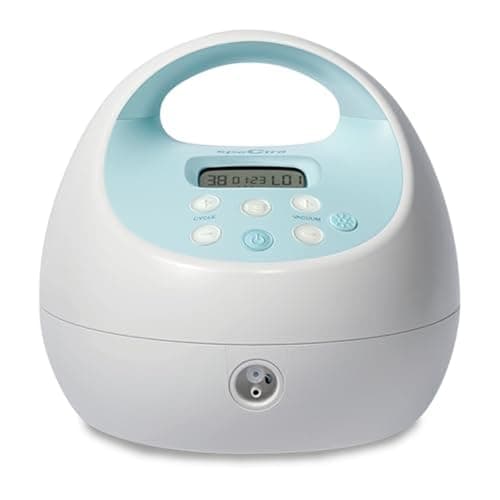
Our pick
Spectra S1 Plus
The one to buy when output is the priority: gentle, quiet, genuinely adjustable, and it runs on a built-in battery so you are not chained to an outlet.
If you will always pump beside an outlet, buy the S2 Plus instead and keep the difference. The two pumps share the same closed system and the same parts; the battery is the whole gap between them.
#ad Affiliate link · Price as of November 28, 2026
Who should buy something else
- Your insurance will cover a pump outright. Start with the Motif Luna. Closed, hospital strength, and on most covered lists.
- You only need a pump a few times a week. Buy the Lansinoh Signature Pro, or skip electric entirely.
- You want to pump hands-free in an office. A wearable is the right shape of answer, closed system or not.
- Somebody has offered you their old pump. Read the safety note below first. Closed does not make a pump multi-user.
Quick picks
Our ranking, with the reasoning underneath. Tap any row to jump to the full write-up.
| # | Product | Best for | Score | Price |
|---|---|---|---|---|
| 1 | Spectra S1 Plus The one to buy when output is the priority: gentle, quiet, genuinely adjustable, and it runs on a built-in battery so you are not chained to an outlet. | Double electric, overall | 8.9 | $171.75$225.99(24% off)View on Amazon #ad Affiliate link · Price as of November 28, 2026 |
| 2 | 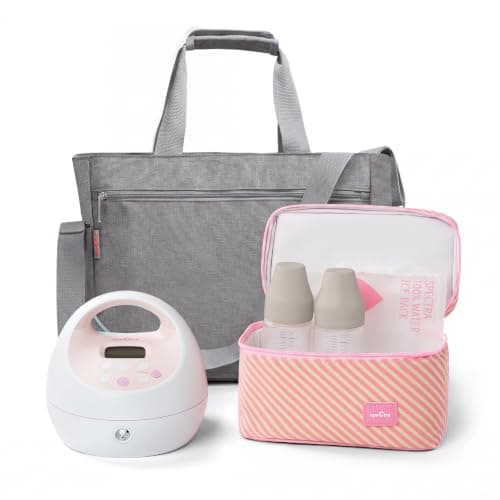 Spectra S2 Plus The same pump as the S1 without the battery. The right choice if you will always pump beside an outlet. | Double electric, value | 8.6 | $175.99$219.99(20% off)View on Amazon #ad Affiliate link · Price as of November 28, 2026 |
| 3 | 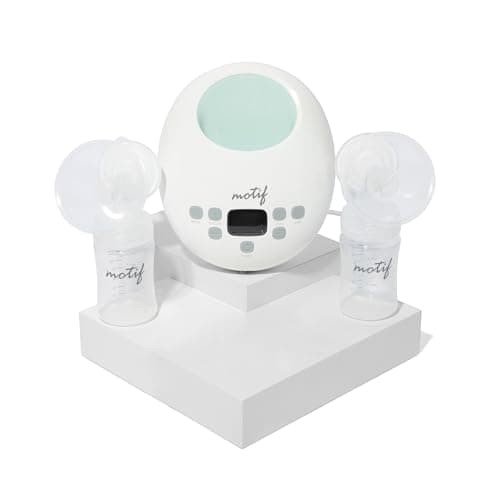 Motif Luna A hospital-strength closed-system pump that weighs under two pounds, is on most insurers' covered list, and accepts flanges from 20mm to 32mm. | Getting one through insurance | 8.4 | $124.13$189.00(34% off)View on Amazon #ad Affiliate link · Price as of November 28, 2026 |
| 4 | 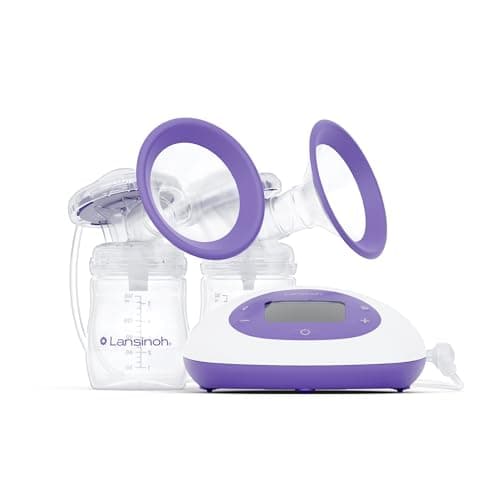 Lansinoh Signature Pro The cheapest double electric we would actually recommend: enough control for occasional pumping, not enough for exclusive pumping. | Double electric, budget | 7.3 | $95.99View on Amazon #ad Affiliate link · Price as of November 28, 2026 |
Scores are our own research scores on the rubric published at how we choose. They are not star ratings from customers, and we do not show a price we cannot verify live.
Every pick, in detail
Product photo from the Amazon listing, not a photograph of our own unit.
Spectra S1 Plus
Spectra
The one to buy when output is the priority: gentle, quiet, genuinely adjustable, and it runs on a built-in battery so you are not chained to an outlet.
- Output
- 10
- Comfort
- 9
- Discretion
- 5
- Cleaning
- 8
- Value
- 8
- Type:
- Double electric, closed system
- Standout feature:
- Rechargeable battery and massage mode
- Cleaning burden:
- Low, closed system
- Price tier:
- Premium
What works
- Widely reported to produce more milk in less time than comparable pumps
- Separate cycle and suction controls, which is what beginners end up needing most
- Battery means you can pump anywhere in the house
What to know first
- Heavier than the S2, and far heavier than a wearable
- Tubing and flanges to wash
- You will want a hands-free pumping bra to use it comfortably
#ad Affiliate link · Price as of November 28, 2026
Product photo from the Amazon listing, not a photograph of our own unit.
Spectra S2 Plus
Spectra
The same pump as the S1 without the battery. The right choice if you will always pump beside an outlet.
- Output
- 10
- Comfort
- 9
- Discretion
- 4
- Cleaning
- 8
- Value
- 9
- Type:
- Double electric, closed system
- Standout feature:
- S1 performance, mains power only
- Cleaning burden:
- Low
- Price tier:
- Mid-range
What works
- Performance is effectively identical to the S1 Plus
- Cheaper, and often the model insurance covers
- Same low-hassle closed system
What to know first
- No battery, so every session is beside a plug
- Same bulk as the S1
- Not discreet enough for an office
#ad Affiliate link · Price as of November 28, 2026
Product photo from the Amazon listing, not a photograph of our own unit.
Motif Luna
Motif Medical
A hospital-strength closed-system pump that weighs under two pounds, is on most insurers' covered list, and accepts flanges from 20mm to 32mm.
- Output
- 9
- Comfort
- 8
- Discretion
- 4
- Cleaning
- 8
- Value
- 9
- Type:
- Traditional double electric, closed system
- Suction:
- Hospital strength, 280 mmHg
- Flange sizes:
- 20, 24, 28 and 32mm, plus any aftermarket size
- Price tier:
- Mid-range
What works
- One of the pumps insurers most often cover outright, which can make it free
- Takes the full 20-32mm flange range, so fit is not a dead end
- Under two pounds, so it moves around the house easily
What to know first
- A table-top pump with tubing, not a hands-free wearable
- Less widely stocked than Medela or Spectra, so listings vary
- You will still want something hands-free for work
#ad Affiliate link · Price as of November 28, 2026
Product photo from the Amazon listing, not a photograph of our own unit.
Lansinoh Signature Pro
Lansinoh
The cheapest double electric we would actually recommend: enough control for occasional pumping, not enough for exclusive pumping.
- Output
- 7
- Comfort
- 7
- Discretion
- 4
- Cleaning
- 8
- Value
- 9
- Type:
- Double electric, closed system
- Standout feature:
- Lowest cost of entry to double pumping
- Cleaning burden:
- Low
- Price tier:
- Budget
What works
- Genuinely affordable double pumping
- Closed system, so milk cannot reach the motor
- Compact and light
What to know first
- Not built for the volume of exclusive pumping
- Noisier than premium pumps
- Fewer flange sizes in the box
#ad Affiliate link · Price as of November 28, 2026
What “closed system” actually means
A breast pump creates suction in a tube. In an open system, the air moving through that tube has a path — however indirect — back toward the motor housing, which means milk droplets and moisture can get in there too. A closed system puts a physical barrier, usually a membrane or a backflow protector, between the collection side and the motor side. The milk goes down into the bottle; nothing travels up into the machine.
That is the whole claim, and it is worth being precise about what it buys you. It is not a sterility claim, and it does not mean you can skip washing parts. The CDC's pump hygiene guidance applies identically to both kinds: wash every part that touched milk after every session. What a closed system genuinely buys you is a motor that stays dry, which is why these pumps tend to last longer and smell less, and it is the reason the tubing on a closed pump does not fill with the condensation you spend ten minutes shaking out of an open one.
| Pump | Barrier | Battery | Flange sizes | Parts in the milk path |
|---|---|---|---|---|
| Spectra S1 Plus | Closed, per Spectra's own specification | Built-in rechargeable | Spectra sizes plus aftermarket inserts | Flange, valve, membrane, bottle |
| Spectra S2 Plus | Closed, same parts as the S1 | None, mains only | Identical to the S1 | Identical to the S1 |
| Motif Luna | Closed, per Motif's own specification | Depends which Luna the listing is | 20, 24, 28 and 32mm supplied | Flange, valve, membrane, bottle |
| Lansinoh Signature Pro | Closed | Battery option on some packs | Fewer sizes in the box | Flange, valve, bottle |
How we ranked these four
We only list a pump as closed when the maker's own specification says so. That is a stricter test than it sounds, because “hygienic” and “no backflow” get used loosely in listings, and several popular wearables simply do not publish the answer. Where a pump in our registry does not state it, it is not on this page — which is why this is a list of four and not a list of eight. Our picks for the hands-free category live on the wearables roundup instead.
After the barrier, the ranking is on the things that decide whether you keep using the pump: independent cycle and suction control, flange range, weight, and whether you are tethered to an outlet. That order is deliberate. Fit is the single most common reason pumping hurts or underperforms, well ahead of raw suction — see breast pump flange size and our picks for elastic nipples.
Which of the four is for you
Spectra S1 Plus if you want the best version of this answer and do not want to think about it again. Closed system, rechargeable battery, separate dials for cycle speed and vacuum strength, and the flange ecosystem that makes fit fixable. It is heavier than a wearable and you will want a pumping bra, which is the trade.
Spectra S2 Plus if every session will happen within reach of a socket. Same pump, same parts, no battery, less money. Most people who buy the S1 and then only ever pump in one chair should have bought this one.
Motif Luna if you are going through insurance. It is closed, Motif publishes hospital-strength suction at 280 mmHg, it weighs under two pounds, and it takes the full 20–32mm flange range, which matters if you are at either end of the sizing chart. One honest nuance: Motif sells both corded and rechargeable Lunas under the same name, so check which one a listing is before you buy — we go through that on Spectra S2 Plus vs Motif Luna.
Lansinoh Signature Pro if the point is to spend as little as possible and still pump both sides at once behind a barrier. It is compact, light and genuinely cheap. It is also noisier, has fewer flange sizes in the box, and is not the pump to buy if you are exclusively pumping. The rest of the cheap end of the market is covered in the best budget breast pumps.
The secondhand question, answered properly
This is the real reason most people search for closed systems, and the answer is not the one the internet gives. A closed system is still a single-user device. The FDA is explicit that personal-use pumps are intended for one person, that they cannot be fully cleaned and disinfected between users, and that borrowing or buying a used one carries an infection risk no amount of new tubing fixes. Multi-user pumps do exist — they are the hospital-grade rental machines, built to be sanitised between mothers — and they are a different product class, covered on the best hospital-grade breast pumps.
So what does closed change? It changes how long your own pump stays good, and how confident you can be in a pump you have used across two babies yourself. That is a real benefit. It is not permission to buy a stranger's.
What to check before you buy
- The maker's own spec sheet says closed. Not a listing bullet, not a reviewer. If the word is not on the manufacturer page, treat it as unstated.
- Separate cycle and vacuum controls. One dial that moves both is the biggest usability gap between a pump you tolerate and a pump you tune. See breast pump settings.
- Flange sizes you can actually buy. Count what is in the box, then check whether aftermarket inserts exist. Spectra and Medela fittings are the easiest to find.
- Replaceable valves and membranes. These are the parts that wear and quietly cost you suction. Our schedule is in how often to replace breast pump parts.
- Whether you need the battery. Inside a brand it is usually the entire price gap. Be honest about where you will actually sit to pump.
Worth saying plainly
Personal breast pumps are single-user medical devices. The FDA advises against using a secondhand personal pump, closed system or not, because it cannot be reliably cleaned and disinfected between users; rent a multi-user hospital-grade pump instead if that is the need. Replace valves and membranes on schedule, wash every milk-contact part after every session per the CDC, and check any pump you are handed against CPSC recalls. We are not clinicians and nothing here is medical advice — pain, a drop in supply, or a pump that suddenly stops working for you is a conversation with a lactation consultant.
How we chose
Researched, not hands-on, and we say so on every card. Closed-system status, suction figures and flange ranges come from the makers' own specification pages, including Spectra and Motif; the single-user and secondhand guidance from the FDA and its pump-choosing page; hygiene from the CDC. Independent hands-on testing of the wider category comes from BabyGearLab. On this page the barrier is a gate rather than a score, and after that fit and control are weighted heaviest. Rubric: how we choose.
Common questions
What is the best closed system breast pump?
The Spectra S1 Plus. It is a closed system with a built-in battery and separate cycle and suction controls, and its flange ecosystem means a fit problem is solved with a cheap insert rather than a new pump. Buy the S2 Plus instead if you will always pump next to an outlet.
Is a closed system breast pump better than an open one?
For the pump, yes. A barrier keeps milk and moisture out of the motor, so the machine lasts longer and the tubing does not fill with condensation. For your milk the difference is smaller than the marketing suggests, because you must wash every milk-contact part after every session either way.
Can I buy a used closed system breast pump?
No. The FDA treats personal pumps as single-user devices whether or not they are closed, because they cannot be fully cleaned and disinfected between users. If cost is the problem, rent a multi-user hospital-grade pump or check what your plan covers.
Which breast pumps are closed systems?
Among the pumps we rank: the Spectra S1 Plus, the Spectra S2 Plus, the Motif Luna and the Lansinoh Signature Pro all state it on their own specifications. Many wearables do not publish the answer at all, which is why they are not on this page.
Do I still have to sterilize parts on a closed system pump?
You have to wash them after every use, yes. Sterilizing is a separate question and depends on your baby's age and health — see how to clean breast pump parts and the best sterilizers for pump parts.
Sources
- Spectra Baby USA — S1 Plus Premier Rechargeable specification
- Spectra Baby USA — S2 Plus Premier specification
- Motif Medical — Luna double electric breast pump specification
- FDA — Buying and Renting a Breast Pump
- FDA — Choosing a Breast Pump
- CDC — How to Clean and Sanitize Breast Pumps
- BabyGearLab — The Best Breast Pumps, lab tested and ranked
- CPSC — Recalls